
Trump's Middle East Tour Ends With Closed-State Dinner
The upcoming TRUMP banquet, scheduled for May 22nd, will bring together Trump with a select group of wealthy cryptocurrency participants from around the world. These individuals hope to influence Trump's views on cryptocurrency regulation or gain other benefits through their interactions with the . The identities of most attendees remain undisclosed, with many using untraceable wallets and undisclosed funding sources. Some attendees have been informed that media or photography equipment will not be allowed into the banquet venue, ensuring a high level of privacy and anonymity.
Currently, at least six major holders of TRUMP Coin have publicly revealed their identities. Some have shared their invitation details on social media or disclosed large purchase activities in financial documents, while others have left unique marks on the blockchain. Despite the blockchain's openness, most transactions remain anonymous, adding to the intrigue surrounding the event.
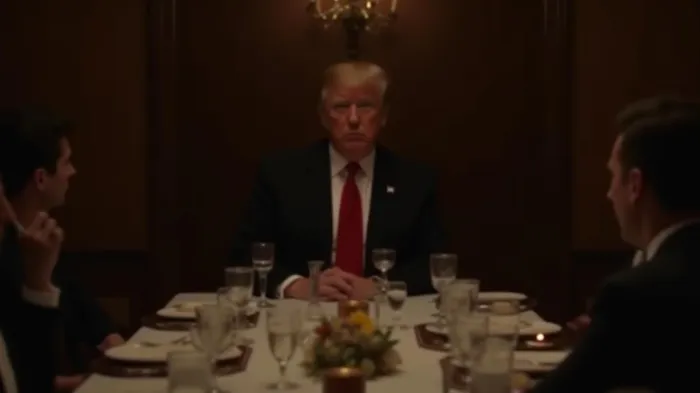
President Donald Trump, following his Middle East tour, which included visits to Saudi Arabia, Qatar, and the United Arab Emirates, returned to Washington, DC. The tour concluded with a state dinner in Abu Dhabi, held at the presidential palace. Notably, the dinner was closed to the press, with the host explicitly prohibiting any media or photography equipment from entering the venue. This decision underscores the administration's approach to managing public perception and controlling the narrative around high-profile events.
The exclusion of media from the state dinner raises questions about transparency and the administration's communication strategy. By keeping the event private, the Trump administration may be aiming to avoid potential controversies or unwanted scrutiny. This move aligns with previous instances where the administration has sought to limit media access to certain events, emphasizing a controlled approach to public relations.
The decision to prohibit media and photography equipment from the dinner also highlights the administration's focus on maintaining a specific image and message. By controlling the flow of information, the administration can ensure that the public receives a curated version of events, free from any potential negative or unflattering portrayals. This strategy has been employed in various contexts, from official ceremonies to more informal gatherings, reflecting a consistent effort to manage public perception.
The state dinner in Abu Dhabi was a significant event, marking the culmination of Trump's Middle East tour. The exclusion of media from this event underscores the administration's approach to managing high-profile engagements, prioritizing control over transparency. As the administration continues to navigate complex political landscapes, both domestically and internationally, its communication strategies will remain a focal point for observers and analysts alike.

Stay ahead of the market.
Get curated U.S. market news, insights and key dates delivered to your inbox.






Comments
No comments yet