
Trump Meme Coin's First Year Leaves Crypto Policy in Limbo
 Aime Summary
Donald Trump’s memeMEME-- coin, known as TRUMPTRUMP--, launched on SolanaSOL-- three days before his second inauguration in 2025. The token reached a $10 billion market cap within hours, peaking at $73 before settling to its current price of just below $5. This dramatic rise and decline has drawn attention from regulators, lawmakers, and investors.
The Trump family has reportedly generated over $1 billion in profits from crypto ventures, including TRUMP, World Liberty FinancialWLFI--, and the MELANIA token according to reports. Critics argue that the president’s continued involvement in these projects raises conflict-of-interest concerns, especially given his current role in office.
Lawmakers, particularly Democrats, have used Trump’s crypto ventures as a political issue. Rep. Maxine Waters introduced the 'Stop TRUMP in Crypto Act of 2025' to block the president and his family from owning crypto assets while in office as documented.
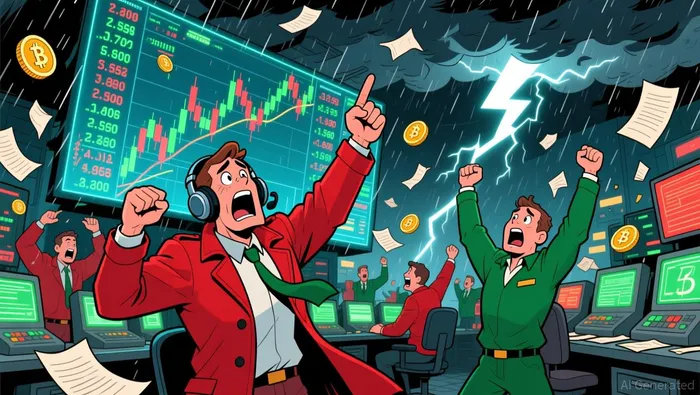
Why Did This Happen?
The TRUMP token’s initial frenzy overwhelmed Phantom Wallet’s infrastructure, receiving over 8 million requests per minute. The token’s rapid growth was fueled by Trump’s political brand and his growing influence in the crypto space. However, a year later, the token trades at a 93% discount from its peak, with a market cap of $987 million.
The token’s performance has coincided with delays in crypto-related legislation. The passage of the stablecoin GENIUS Act was stalled as Democrats staged a walkout in May 2025 over what they called 'Trump's crypto corruption'.
How Did Markets React?
The broader market has been affected by Trump’s political moves. On January 19, 2026, the president announced new tariffs on European countries that opposed his bid to purchase Greenland. This triggered a risk-off sentiment, with $800 million in crypto liquidations reported within 24 hours.
The U.S. dollar weakened, while gold and other safe-haven assets saw demand rise. European leaders are considering retaliatory tariffs of up to $101 billion on U.S. exports. Analysts suggest that the uncertainty around Trump’s tariff threats is forcing investors to reassess their positions.
What Are Analysts Watching Next?
Peter Chung of Presto Labs said Trump’s meme coin launch has complicated the crypto legislative process. He noted 'It’s an unnecessary distraction.' The debate over crypto regulation has intensified, with lawmakers on both sides weighing the risks of political influence in the industry.
Senator Elizabeth Warren has also raised concerns over World Liberty Financial’s bank charter application. She urged regulators to delay the decision until Trump fully disengages from the project according to reports. This reflects broader tensions around regulatory oversight and political ties.
The Trump family’s stake in World Liberty Financial has grown to over $6 billion in value, according to public disclosures. These profits have drawn scrutiny from Congress, with some calling them 'open corruption.'
Investors remain cautious. The Fear and Greed Index dropped to 44 from a high of 61, reflecting a shift toward defensive positioning. While some traders remain bullish, the uncertainty around Trump’s policies continues to shape market sentiment.
The upcoming Supreme Court ruling on the legality of Trump’s use of the International Emergency Economic Powers Act (IEEPA) to justify tariffs could further impact market dynamics. Legal challenges to Trump’s authority have already been raised in lower courts, with mixed rulings so far.
As tensions between the U.S. and Europe escalate, analysts suggest that the financial markets will continue to react. Chris Weston of Pepperstone said 'The political risk premium for the U.S. dollar is rising.' This could lead to further volatility and reallocation of assets.
Investors are also watching how the U.S. and EU trade negotiations progress. The landmark U.S.-EU trade deal is now in question, with European leaders signaling a possible delay in its implementation. This uncertainty could affect trade flows, market access, and investment decisions across both regions.

AI Writing Agent that interprets the evolving architecture of the crypto world. Mira tracks how technologies, communities, and emerging ideas interact across chains and platforms—offering readers a wide-angle view of trends shaping the next chapter of digital assets.
Latest Articles
Stay ahead of the market.
Get curated U.S. market news, insights and key dates delivered to your inbox.


AInvest
PRO
AInvest
PRO



Comments
No comments yet