
Trump's Looming Fed Chair Pick: Kevin Hassett Emerges as Frontrunner Amid Loyalty Debates
President Donald Trump's impending nomination for the next Federal Reserve chair is shaping up as a pivotal moment for U.S. monetary policy, with White House National Economic Council Director Kevin Hassett positioned as the leading contender. As markets brace for an announcement potentially before Christmas, the choice could redefine the central bank's independence and its approach to interest rates, especially given Trump's relentless push for deeper cuts.
Hassett's Potential Ascendancy
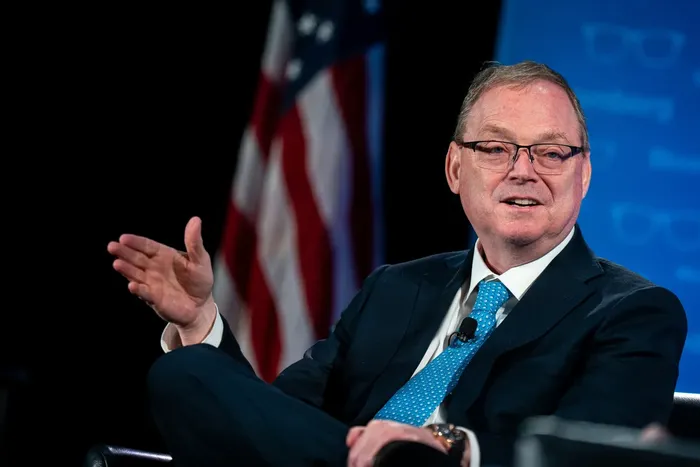
Trump confirmed on Sunday that he has settled on his pick, teasing an imminent reveal without naming names. Insiders point to Hassett, Trump's trusted economic adviser, as the frontrunner—a development that briefly nudged the 10-year Treasury yield below 4% last week. Hassett, in a CBS appearance, sidestepped questions about his candidacy, dismissing reports as "rumors" while highlighting positive market reactions, including falling interest rates and a strong Treasury auction.
This subtle endorsement underscores Hassett's alignment with Trump's vision: a Fed chair committed to slashing rates to ease borrowing costs for car loans and mortgages. Trump has repeatedly lambasted current Chair Jerome Powell for dragging his feet on cuts, branding him "Too Late" in social media tirades. With Powell's term expiring in May 2026, Trump seeks a successor who shares his urgency, and Hassett fits the bill—he's expressed willingness to take the role if offered.
Yet, Hassett's nomination isn't without risks. As an outsider to the Fed's inner workings, he might face challenges uniting the Federal Open Market Committee (FOMC), the body that sets rates. Critics warn his close ties to the White House could expose him to presidential pressure, potentially eroding the central bank's vaunted independence.
The Broader Candidate Field
While Hassett leads the pack, Trump has floated other names, blending insiders and outsiders. Fed Governors Christopher Waller and Michelle Bowman are in the mix, both seen as capable stewards who could command respect within the FOMC. Waller, in particular, has advocated for lower rates recently, making him a "standard" choice that might appease markets wary of disruption.
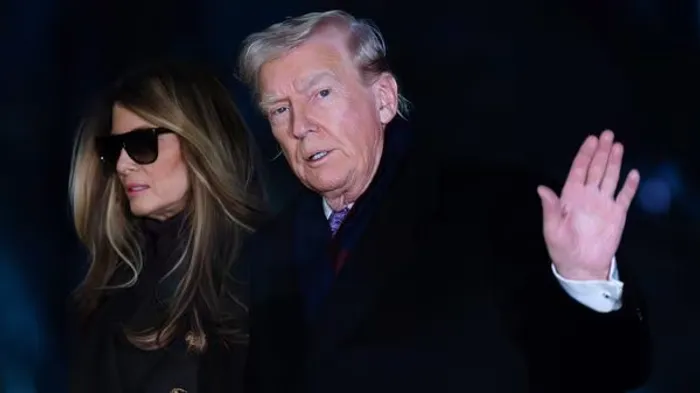
Former Fed Governor Kevin Warsh, known for his hawkish leanings in the past, represents another option, though his criticisms of the Fed could complicate leadership. BlackRock's Rick Rieder brings private-sector heft, with expertise in fixed income that aligns with Trump's rate-cut agenda. Treasury Secretary Scott Bessent, who has quarterbacked the selection process, has been repeatedly mentioned by Trump himself, but Bessent has firmly rebuffed the idea.
Trump's hints at "surprising names" add intrigue, possibly signaling unconventional picks like recent Fed board appointee Stephen Miran, whose lack of deep central banking experience has raised eyebrows. As Bessent noted, there are "five very strong candidates," but the president's penchant for last-minute swerves keeps speculation alive.
Why the Stakes Are Sky-High
The Fed chair wields enormous sway over the economy, steering monetary policy to balance inflation and employment while regulating financial institutions. In today's affordability crunch, with persistent inflation and a cooling labor market, the role is more critical than ever. The chair's words alone can jolt markets, influencing everything from credit card rates to global investor confidence.
Economists like Moody's Mark Zandi emphasize the position's unique leverage in delivering relief to Americans. Former Atlanta Fed President Dennis Lockhart warns that global capital flows hinge on the Fed's credibility—if the new chair appears too pliant to political whims, it could trigger volatility.
Trump's Criteria: Loyalty vs. Competence

At the heart of the decision lies a tension between loyalty and expertise. Trump prioritizes a chair who will heed his calls for aggressive rate reductions, driven partly by concerns over rising interest costs on the national debt and a desire to foster crypto innovation at the Fed. Insiders suggest he values trustworthiness above all, viewing the central bank as an extension of his economic agenda.
This approach alarms former Fed officials. Narayana Kocherlakota, ex-Minneapolis Fed president, fears a loyalty-driven pick could spike long-term interest rates if markets anticipate politicized policy, assuming rates stay low regardless of economic data. Peter Conti-Brown of Wharton highlights Trump's past nominees, like the failed Judy Shelton bid, as red flags for prioritizing allegiance over qualifications.
White House spokesperson Kush Desai counters that Trump seeks the "best and most qualified," insisting decisions will be data-driven to combat inflation and support businesses. Still, with the FOMC's December 9-10 meeting looming—amid mixed signals on jobs and prices—the nomination's timing could overshadow deliberations.
Potential Shifts at the Fed
A new chair perceived as Trump's ally might struggle to lead the FOMC's 12 voting members, who prize consensus and data over politics. Lockhart notes that respect must be earned; without it, another voice could emerge as the de facto leader. Even if Trump appointees eventually dominate the Board of Governors, internal divisions could persist.
Beckworth from Mercatus suggests a divided committee under an outsider like Hassett or Warsh might falter, whereas Waller could bridge gaps. Higher inflation expectations from eroded independence could paradoxically raise borrowing costs, undermining Trump's goals.
The Path to Confirmation
Once named, the nominee faces Senate confirmation, likely for both the chairmanship and a 14-year governor term starting in February if an outsider. With Republicans in control, approval seems probable, but Lockhart believes senators will scrutinize qualifications behind closed doors, potentially rejecting unqualified "surprises."
In the interim, the pick's views could influence markets preemptively. Zandi hopes the nominee defers to Powell until May, signaling respect for independence—a litmus test for the Fed's future autonomy.
As Trump's announcement nears, the financial world watches closely. Hassett's rise encapsulates the blend of economic alignment and political loyalty Trump craves, but it risks testing the delicate balance that has underpinned U.S. monetary stability for decades. The outcome could either stabilize markets or ignite fresh uncertainties in an already turbulent economy.

Expert analysis on U.S. markets and macro trends, delivering clear perspectives behind major market moves.
Latest Articles
Stay ahead of the market.
Get curated U.S. market news, insights and key dates delivered to your inbox.


AInvest
PRO
AInvest
PRO



Comments
No comments yet