
Trump's Loan Forgiveness Overhaul Targets Organizations Over Illegal Activities
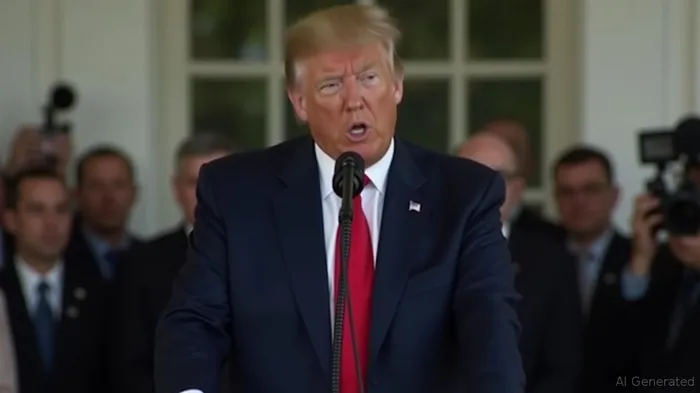
President Donald Trump is in the process of overhauling the Public Service Loan Forgiveness program, which has raised concerns among experts that it could be used as a tool for political retribution. The Education Department is preparing changes that would strip the benefit from organizations involved in what it deems as “illegal activities,” with the U.S. education secretary having the authority to decide which organizations should lose eligibility. The draft proposal includes definitions of illegal activity that focus on immigration, terrorism, and transgender issues.
Several advocates who were invited to review the draft proposal expressed concerns that the changes could give the department subjective authority to decide if an organization is engaged in anything illegal. This power could potentially be used to remove entire hospital systems or state governments from the program. Betsy Mayotte, president of the Institute of Student Loan Advisors, stated that this is an indicator that the changes are politically motivated and could be used as a tool for political punishment.
The Public Service Loan Forgiveness program was created by Congress in 2007 to encourage college graduates to work in the public sector. It promises to cancel all remaining debt after borrowers make 120 monthly loan payments while working for any level of government. Currently, nonprofits are also eligible if they focus on certain areas including public interest law, public health, or education. More than 1 million Americans have had loans canceled through the program, including teachers, nurses, firefighters, and others.
Trump ordered changes to the program in March, declaring that it had “misdirected tax dollars into activist organizations” that harm national security. He directed the Education Department to remove organizations tied to illegal activities, singling out those that work with immigrants or transgender youth or those that support terrorism. His plan has the potential to block huge numbers of student loan borrowers from cancellation, as those who work for an ineligible employer would no longer be able to make progress toward cancellation, effectively forcing them to find a new job or forgo loan relief.
The proposal’s definitions of illegal activity largely mirror those laid out by Trump. They include “aiding or abetting” in the violation of federal immigration law, and supporting any group designated as a foreign terrorist organization. Also on the list are violations of the Civil Rights Act of 1964, a law Trump officials have invoked to root out diversity, equity, and inclusion policies. The proposal also considers illegal “engaging in the chemical and surgical castration or mutilation of children in violation of Federal or State law,” which includes the use of hormone therapy or drugs that delay puberty. It defines children as those under 19.
This raises concerns that entire hospital systems could become ineligible if a single department provides certain care to transgender youth. Likewise, the federal government could potentially strip the benefit from entire cities that limit cooperation with federal immigration officials. Alyssa Dobson, financial aid director at Slippery Rock University, stated that she could see entire cities and entire civil structures being targeted. It could also give the administration another tool in its campaign against universities that run afoul of the president’s politics.
When determining if an employer should be deemed ineligible, the department’s proposal would take into account court judgments and other legal findings. However, it leaves room for at least some degree of subjectivity, giving the education secretary the authority to exclude organizations without proof of a conviction or settlement. Emeka Oguh, CEO of PeopleJoy, a company that helps employers provide student loan relief, encouraged the department to use the power surgically, going after individual hospital divisions rather than systems as a whole. He also noted that there was a lot of ambiguity in the definition of illegal activity, as department officials were unable to provide examples of organizations that might be found to be involved in illegal activities.
Some advocates also raised concerns with a provision that requires employers to certify they do not engage in illegal activities. Failure to certify could also render an organization ineligible, raising the risk that paperwork problems could jeopardize cancellation for huge numbers of borrowers. The department said it’s open to making changes based on the panel’s concerns. Ultimately, it’s free to shape the proposal as it pleases. The agency is now preparing a formal proposal that will undergo a public comment period before it’s finalized. It would be expected to take effect in July 2026.

Stay ahead of the market.
Get curated U.S. market news, insights and key dates delivered to your inbox.


AInvest
PRO
AInvest
PRO



Comments
No comments yet