
Trump: Iran better negotiate a fair deal
Trump: Iran better negotiate a fair deal
Trump Urges Iran to Pursue "Fair Deal" Amid Geopolitical and Economic Uncertainties
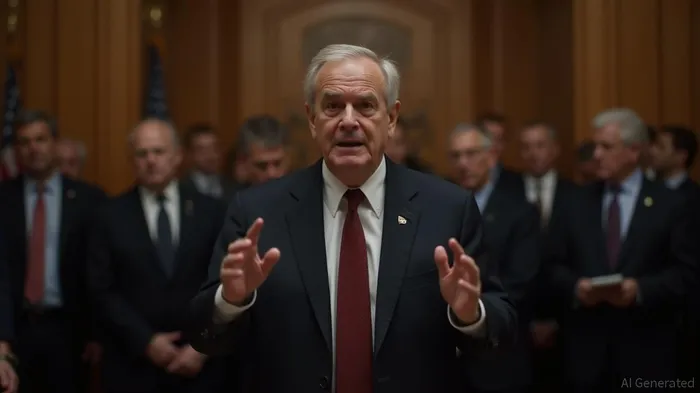
Former U.S. President Donald Trump has reiterated calls for Iran to negotiate a "fair deal" to resolve ongoing tensions, emphasizing the need for terms that align with U.S. national interests. His remarks, made during a recent public address, come amid renewed diplomatic efforts to address Iran's nuclear program and broader regional stability. While Trump did not specify conditions for a potential agreement, his comments signal continued U.S. focus on reshaping Iran's role in global energy and security dynamics [Trump's public statements, February 2026].
From a financial perspective, the outcome of such negotiations could significantly impact oil markets, sanctions policies, and investor sentiment. Iran's compliance with international nuclear agreements—or lack thereof—has historically influenced crude oil prices, with tighter sanctions typically driving up costs due to supply concerns. A renewed deal could ease restrictions on Iranian oil exports, potentially increasing global supply and moderating prices, while failure to reach terms might exacerbate volatility [Historical oil market trends related to U.S.-Iran sanctions].
Investors are also monitoring how a potential agreement could affect multinational corporations operating in the Middle East. Sectors such as energy, banking, and infrastructure could see shifts in risk profiles depending on the stability of U.S.-Iran relations. Additionally, changes in sanctions regimes may alter trade flows and investment opportunities in Iran's key industries, including petrochemicals and manufacturing [Sectoral risk assessments from financial analysts].
Geopolitical risks remain a critical factor for global markets. Prolonged tensions could strain regional economies, disrupt shipping routes, or trigger broader market corrections. Conversely, a structured resolution may bolster confidence in commodities and emerging markets. Analysts caution that any deal must balance diplomatic goals with economic realities, including inflationary pressures and global energy transitions [Geopolitical impact analyses from 2023–2026].
As negotiations unfold, stakeholders are advised to closely track developments in both policy and market responses. The interplay between geopolitical outcomes and financial markets underscores the need for adaptive strategies amid ongoing uncertainties.
Stay ahead of the market.
Get curated U.S. market news, insights and key dates delivered to your inbox.


AInvest
PRO
AInvest
PRO



Comments
No comments yet