
Trump Imposes Tariffs on Canada, Sparking Global Market Reactions
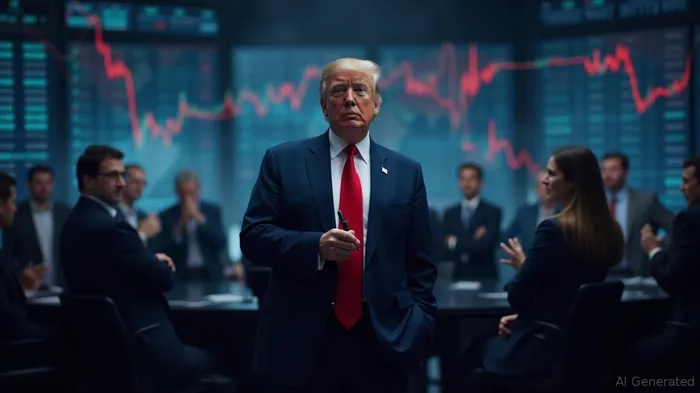
In a significant move, U.S. President Donald Trump announced the imposition of tariffs on Canada, sparking reactions in global markets. This decision, revealed during an interview, comes as Trump shifts his focus towards tariffs, a policy that could have far-reaching implications for various sectors, including the cryptocurrency market.
Trump's stance on cryptocurrencies was highlighted, revealing his plans post-election. While he embraces cryptocurrencies, his global strategies might conflict with the interests of the crypto community. As the midterm elections of 2026 approach, Trump may aim to avoid the complexities of high tariffs that could spur inflation. Experts had earlier noted that tensions might decrease rather than escalate, potentially stabilizing economic conditions.
During the interview, Trump addressed several critical points. He mentioned that Iran is suspected of operating more than three nuclear sites, but the U.S. has neutralized Iran's targeted nuclear capability. Despite Iran's undeterred nuclear pursuits, they appear significantly weary. U.S.-China relations include beneficial trade regarding magnets, but China remains subject to hefty tariffs under current U.S. policies. There are prospects of easing Iran sanctions if peaceful agreements are reached. Trump also criticized the Federal Reserve’s leadership quality and advocated for lowering interest on a 10-year debt to 1-2%. He recognized a reduction in Iran’s nuclear activity and maintained flexibility on tariff discussions, with talks extending as necessary. An announcement on TikTok’s new proprietor is imminent, and Canadian trade issues hinge on the removal of specific tariffs. Trump also branded Elon Musk’s remarks as unsuitable.
The imposition of tariffs by the Trump administration has significantly altered the economic landscape, affecting various sectors and industries. The tariffs, particularly on key inputs such as steel and aluminum, have raised costs for businesses that rely on these industrial metals. This increase in costs has negatively impacted the prospects for factories that employ a large number of workers, potentially leading to job losses and reduced economic activity. The tariffs have also been identified as a significant inflation threat, comparable to the economic disruption caused by the COVID-19 pandemic. The return of the tariffs from July 9 has raised concerns about their potential to exacerbate inflationary pressures, further straining the economy. The strategic adjustment of the tariff deadline could either extend negotiation periods or accelerate agreements, thereby reshaping the economic landscape for affected countries.
Investors and analysts have been closely monitoring the impact of tariffs, as they stand to reshape supply chains, shift cost structures, and introduce added complexities. The tariffs implemented by President Trump in just over five months have been aimed at reducing trade imbalances, boosting domestic production, and pressuring trading partners. However, the lack of clarity and sudden shifts in trade policy have created uncertainty, raising worries about the outlook for the U.S. economy.
The recent trade agreement between the United States and China has been met with skepticism, as details remain scarce and major issues between the two largest economies remain unresolved. The agreement includes provisions for easier access to Chinese magnets and rare earth minerals, which are critical for manufacturing and microchip production. However, the agreement does not explicitly address U.S. controls on exports of advanced technology to China, leaving many questions unanswered. The tariffs on aluminum and steel have been doubled, seeking to curb China's growing dominance in global trade. This move has reshaped North American supply chains, creating both winners and losers. While volatility remains high, the long-term trend favors industries that can adapt to the new tariff environment. The tariffs have also led to a temporary pause, resulting in a relief rally across major indexes and a shift in market sentiment. However, the long-term impact of these tariffs on the economy remains uncertain, as the trade landscape continues to evolve.

Stay ahead of the market.
Get curated U.S. market news, insights and key dates delivered to your inbox.


AInvest
PRO
AInvest
PRO



Comments
No comments yet