
Trump Imposes 50% Tariff on Copper Imports to Protect Domestic Industries
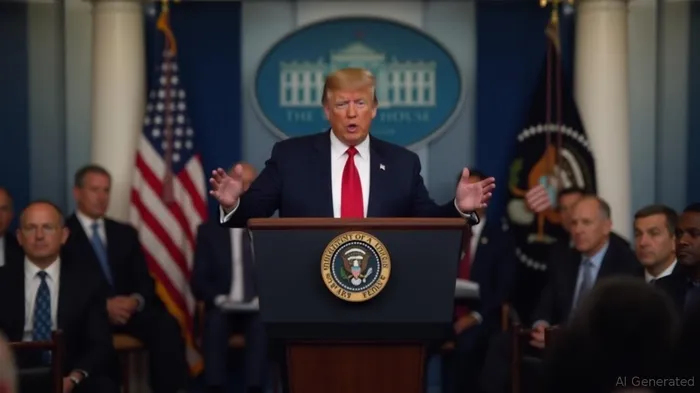
President Donald Trump has announced a significant escalation in tariffs, particularly focusing on copper. In a series of statements, Trump indicated that the tariff on copper imports would be raised to 50%, aligning it with the rates already imposed on steel and aluminum. This move is part of a broader strategy to protect domestic industries and potentially leverage trade negotiations with various countries.
The announcement comes amidst a flurry of trade policy actions by the Trump administration. Earlier in the year, the administration had raised import fees on steel and aluminum to 50%, with the exception of the United Kingdom, which faces a lower 25% tariff. This latest tariff on copper is expected to have far-reaching implications for global trade dynamics, particularly for countries that are significant exporters of copper.
Trump's firm stance on tariffs was reiterated in a post on Truth Social, where he emphasized that there would be no extensions to the August 1 deadline for tariff payments. This deadline applies to a range of goods, including those from South Africa, Malaysia, and Thailand, with tariff rates ranging from 25% to 40%. The administration's approach has been characterized by a mix of firm deadlines and open negotiation channels, aiming to balance protectionist measures with the potential for trade agreements.
The tariff on copper is particularly noteworthy given its widespread use in various industries, including construction, electronics, and renewable energy. The 50% tariff is likely to increase the cost of copper imports, which could have ripple effects on domestic manufacturing and consumer prices. This move is part of a broader strategy to reduce reliance on foreign imports and bolster domestic production.
The administration's trade policy has been met with varied responses from different countries. For instance, China has warned against restarting trade tensions and has indicated that it would retaliate against countries that make deals with the US to exclude China from supply chains. Meanwhile, countries like Japan and South Korea have expressed their determination to continue negotiations, despite the imposition of tariffs.
The tariff on copper is also expected to impact countries that have significant copper exports to the US. For example, Chile, which is one of the world's largest copper producers, could face increased pressure to negotiate trade deals or find alternative markets for its copper exports. Similarly, countries like Peru and Indonesia, which are also major copper exporters, may need to reassess their trade strategies in light of the new tariffs.
In summary, Trump's announcement of a 50% tariff on copper imports is a significant development in the administration's trade policy. This move is part of a broader strategy to protect domestic industries and leverage trade negotiations with various countries. The impact of this tariff is expected to be far-reaching, affecting global trade dynamics and potentially leading to increased costs for domestic manufacturing and consumer prices. The administration's approach to trade policy continues to be characterized by a mix of firm deadlines and open negotiation channels, aiming to balance protectionist measures with the potential for trade agreements.

Stay ahead of the market.
Get curated U.S. market news, insights and key dates delivered to your inbox.


AInvest
PRO
AInvest
PRO



Comments
No comments yet