
Trump Imposes 50% Tariff on Brazilian Goods Starting August 1
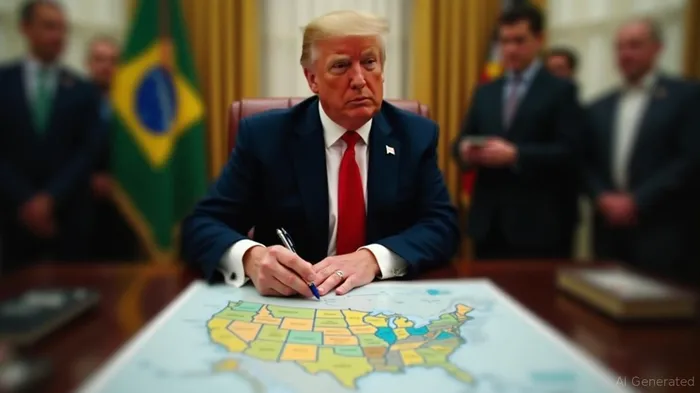
President Donald Trump announced on Wednesday that the United States would impose a 50% tariff on Brazilian goods starting August 1. This decision is part of a broader strategy by the Trump administration to address trade imbalances and what it perceives as unfair trade practices. The tariff announcement comes in the context of ongoing trade negotiations and follows a series of similar actions taken against other countries.
The tariff on Brazilian goods is significant as it marks a substantial increase from previous levels and is part of a broader pattern of tariff increases announced by the Trump administration. Earlier in the week, Trump had indicated that he planned to announce tariff levels for Brazil, and this move aligns with his stated goal of using tariffs to pressure trading partners into more favorable agreements.
The decision to impose a 50% tariff on Brazilian imports is expected to have a notable impact on the trade relationship between the two countries. Brazil is a significant trading partner for the United States, and the tariff is likely to affect various sectors, including agriculture and manufacturing. The move is also part of a larger trend of tariff increases announced by the Trump administration, which has targeted multiple countries with varying tariff rates.
In addition to the tariff on Brazil, Trump has also announced tariffs on other countries, including a 35% tariff on Serbia and tariffs ranging from 20% to 30% on countries such as Algeria, Brunei, Iraq, Libya, Moldova, and the Philippines. These tariffs are set to take effect on August 1 and are part of a broader strategy to address trade deficits and perceived unfair trade practices.
The tariff announcements come as part of a series of trade actions taken by the Trump administration, which has used tariffs as a tool to negotiate better trade deals. The administration has argued that these tariffs are necessary to protect American industries and workers from unfair competition. However, the effectiveness of this strategy remains a subject of debate, with some analysts arguing that tariffs can lead to retaliatory measures and disrupt global supply chains.
The tariff on Brazilian goods is likely to have implications for both countries' economies and their trade relationship. Brazil, as a major exporter of agricultural products and commodities, is expected to be significantly affected by the tariff. The move could also impact the ongoing trade negotiations between the two countries, as Brazil may seek to negotiate a reduction or elimination of the tariff in exchange for concessions in other areas.
In summary, President Trump's announcement of a 50% tariff on Brazilian goods is a significant development in the ongoing trade tensions between the United States and its trading partners. The tariff is part of a broader strategy by the Trump administration to address trade imbalances and perceived unfair trade practices, and it is likely to have implications for both countries' economies and their trade relationship. The effectiveness of this strategy remains a subject of debate, and the impact of the tariff on Brazilian goods will depend on the response of both countries and the outcome of ongoing trade negotiations.

Stay ahead of the market.
Get curated U.S. market news, insights and key dates delivered to your inbox.


AInvest
PRO
AInvest
PRO



Comments
No comments yet