
Trump Imposes 35% Tariff on Canadian Goods, Escalating Trade Tensions
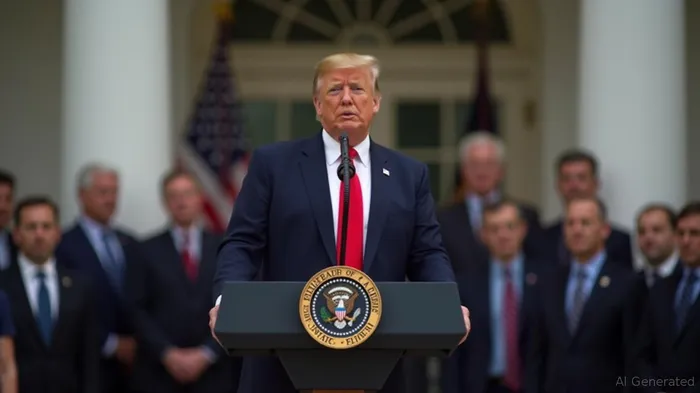
President Donald Trump has declared that the United States will impose a 35% tariff on all goods imported from Canada, effective from August 1, 2025. This decision represents a significant escalation in trade tensions between the two countries, as the new tariff rate is a 10% increase from the current 25% rate. The tariff will apply to all Canadian goods entering the U.S., with the exception of those that comply with the U.S.-Mexico-Canada Agreement (USMCA).
This move is seen as a retaliatory measure against Canada, which has been seeking to agree on a trade pact with the U.S. The tariff increase is expected to have a substantial impact on bilateral trade relations, as Canada is one of the U.S.'s largest trading partners. Trump's decision to impose blanket tariffs of 15% or 20% on most other trade partners further complicates the global trade landscape, as concerns about inflation and economic stability grow.
Trump also warned that any retaliatory tariff increases by Canada will be matched and added to the existing 35% levy. This statement underscores the administration's aggressive stance on trade policy and its willingness to engage in a tit-for-tat tariff war. The tariff increase is likely to deepen the rift between the two North American countries, which have historically enjoyed close economic ties.
The announcement has sparked concerns about the potential economic fallout, as both countries are heavily integrated into each other's supply chains. The tariff increase could lead to higher prices for consumers, reduced competitiveness for businesses, and potential job losses in industries affected by the tariffs. The move also raises questions about the future of the USMCA, which was designed to promote free and fair trade among the three North American countries.
In response to the announcement, Canadian officials have expressed disappointment and concern, calling for a diplomatic resolution to the trade dispute. The Canadian government has indicated that it will carefully review the tariff increase and consider its options for retaliation. The situation remains fluid, and the outcome of the trade dispute will depend on the actions taken by both countries in the coming months.
This tariff aims to alter the current trade landscape between the two countries, potentially influencing cross-border financial transactions amid global economic uncertainty. Trump's declaration indicates his aggressive trade policy stance, reminiscent of previous tariffs during his earlier presidency. The expansive 35% tariff may stimulate increased demand for borderless digital assets to mitigate trade tensions. Experts suggest that consumers might turn to cryptocurrencies as hedges against altered trade dynamics and potential currency instability.
This policy introduces uncertainties that could redefine interactions between industries and governments globally. Economic analysts predict ripple effects on commodities and financial markets, particularly affecting consumer prices and exchange rates. Historical data show similar tariffs often provoke short-term volatility in cryptocurrencies seen as protective assets in uncertain economic climates. Simultaneously, any future regulatory responses might spur shifts in trading behaviors and technological adaptations across sectors involved.

Stay ahead of the market.
Get curated U.S. market news, insights and key dates delivered to your inbox.


AInvest
PRO
AInvest
PRO



Comments
No comments yet