
Trump Imposes 30% Tariffs on EU and Mexico Imports
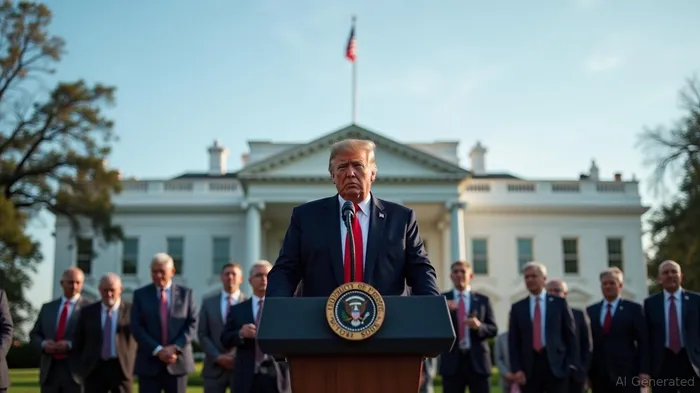
President Donald Trump announced a significant escalation in trade tensions, imposing 30% tariffs on imports from the European Union and Mexico. This move comes as part of a broader strategy by the Trump administration to exert pressure on key trading partners through a series of letters and policy announcements. The tariffs, set to take effect from August, are aimed at addressing long-standing trade imbalances and protecting domestic industries.
The decision to impose tariffs on the EU and Mexico follows a pattern of aggressive trade policies pursued by the Trump administration. Over the past few weeks, the president has been actively engaging in a letter-writing campaign, targeting various countries with new tariff measures. This approach has created an atmosphere of uncertainty and volatility in global trade relations, as countries scramble to respond to the shifting policies.
In his letter to Mexico’s leader, Trump acknowledged that the country has been helpful in stemming the flow of undocumented migrants and fentanyl into the United States. But he said the country has not done enough to stop North America from turning into a “Narco-Trafficking Playground.” “Mexico has been helping me secure the border, BUT, what Mexico has done, is not enough,” Trump added.
Trump in his letter to the European Union said that the U.S. trade deficit was a national security threat. “We have had years to discuss our Trading Relationship with The European Union, and we have concluded we must move away from these long-term, large, and persistent, Trade Deficits, engendered by your Tariff, and Non-Tariff, Policies, and Trade Barriers,” Trump wrote in the letter to the EU. “Our relationship has been, unfortunately, far from Reciprocal.”
With the reciprocal tariffs, Trump is effectively blowing up the rules governing world trade. For decades, the United States and most other countries abided by tariff rates set through a series of complex negotiations known as the Uruguay round. Countries could set their own tariffs – but under the “most favored nation’’ approach, they couldn’t charge one country more than they charged another.
With Saturday’s letters, Trump has now issued tariff conditions on 24 countries and the 27-member European Union. The bloc collectively sells more to the U.S. than any other country. U.S. goods imports from the EU topped $553 billion in 2022. Trump on April 2 proposed a 20% tariff for EU goods and then threatened to raise that to 50% after negotiations did not move as fast as he would have liked. The higher tariffs as well as any EU retaliation had been suspended as the two sides negotiate. However the base rate of 10% for most trade partners as well as higher rates of 25% on autos and 50% on steel and aluminum had gone into effect.
The announcement of the 30% tariffs on the EU and Mexico is part of a broader strategy to rebalance trade relations. The administration has been vocal about its concerns over trade deficits and the perceived unfair practices of other nations. By imposing tariffs, the Trump administration aims to level the playing field and encourage other countries to negotiate more favorable trade agreements.
The impact of these tariffs on the global economy remains to be seen. Historically, tariff increases have led to retaliatory measures from affected countries, potentially escalating trade tensions further. The EU and Mexico, both significant trading partners of the United States, are likely to respond with their own tariffs or other protective measures, which could disrupt supply chains and increase costs for consumers and businesses.
The timing of these tariffs is particularly noteworthy, as they come at a time when the global economy is already facing numerous challenges. The COVID-19 pandemic has disrupted supply chains and caused economic instability, making the imposition of new tariffs a contentious issue. The administration's decision to proceed with these measures despite the ongoing economic uncertainty highlights its commitment to its trade agenda.
The letter-writing blitz by the Trump administration is a strategic move to apply pressure on key trading partners. By sending letters outlining new tariff measures, the administration aims to catch countries off guard and force them into negotiations. This approach has been met with mixed reactions, with some countries viewing it as a bullying tactic and others seeing it as a necessary step to address trade imbalances.
The announcement of the 30% tariffs on the EU and Mexico is a significant development in the ongoing trade war. It underscores the Trump administration's determination to pursue its trade agenda, regardless of the potential consequences. As the global economy continues to grapple with the fallout from the pandemic, the imposition of new tariffs adds another layer of complexity to an already challenging landscape. The coming months will be crucial in determining how these tariffs will impact trade relations and the broader economy.

Stay ahead of the market.
Get curated U.S. market news, insights and key dates delivered to your inbox.






Comments
No comments yet