
Trump Imposes 25% Tariff On Imported Cars, Sparks Debate
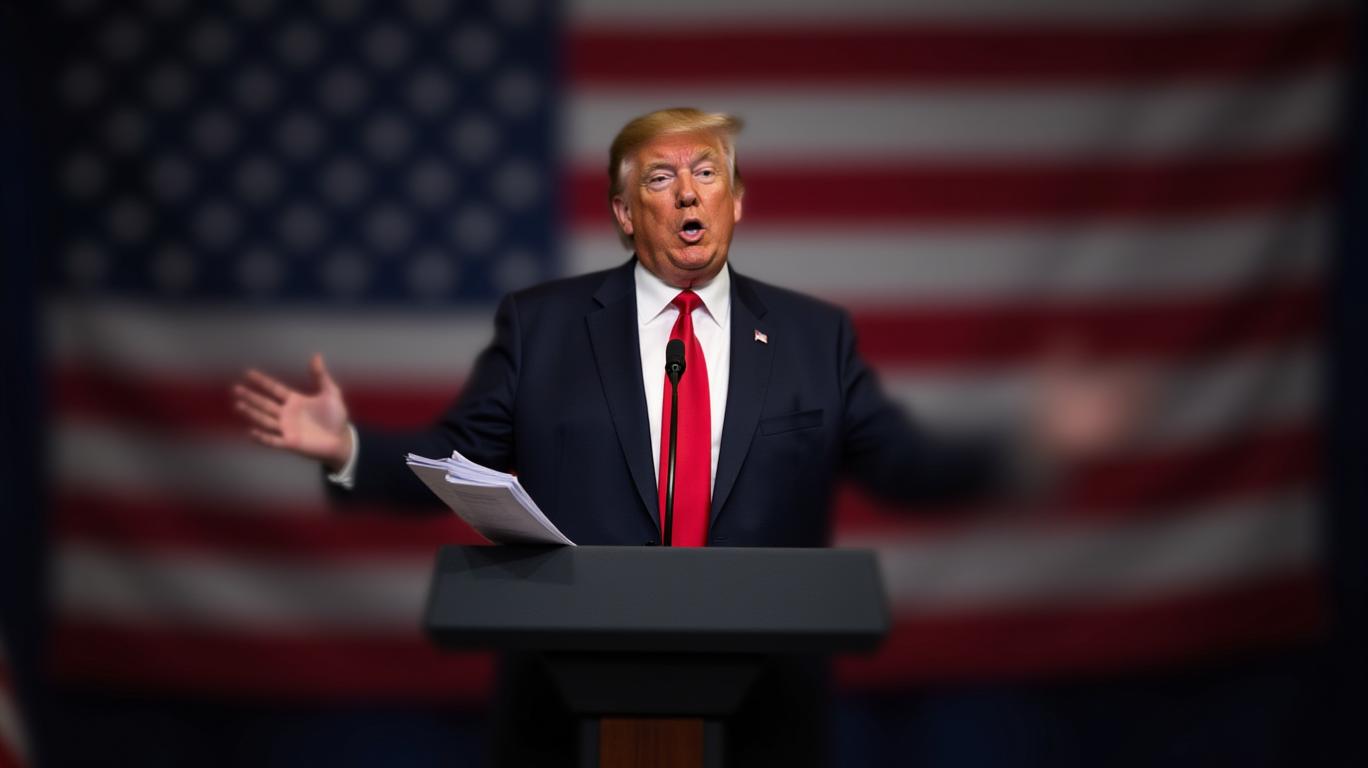
The Trump administration has implemented a 25% tariff on all imported cars, trucks, and auto parts, effective from April 3. This policy aims to bolster domestic auto production but has sparked widespread debate. Critics warn that these tariffs could impose a significant financial burden on American consumers, potentially costing them up to $100 billion. The administration, however, maintains that these measures are essential for rebuilding the U.S. industrial base, which it claims has been weakened by decades of flawed trade policies.
The tariffs will affect not only foreign-made vehicles but also American-built cars that depend on global supply chains. This broad application has raised concerns about potential retaliatory measures from other countries and the broader economic impact on the U.S. economy. The administration's resolve on the tariffs remains unshaken, with a clear focus on transforming the U.S. into a manufacturing powerhouse. However, this strategy faces substantial challenges, including potential backlash from consumers and international partners.
Elon Musk, the CEO of TeslaTSLA--, has voiced skepticism about the effectiveness of these tariffs. He argues that the substantial price increases resulting from the tariffs could deter many Americans from buying new cars, potentially leading to a decline in overall car sales. This perspective underscores the potential unintended consequences of the tariffs, which could undermine the administration's goal of revitalizing the domestic auto industry. The economic strategy of the Trump administration is under intense scrutiny, with questions about whether the tariffs will achieve their intended goals or result in unintended economic repercussions.

Comprender rápidamente la historia y el origen de diversas monedas célebres
Latest Articles
Stay ahead of the market.
Get curated U.S. market news, insights and key dates delivered to your inbox.
AInvest
PRO
AInvest
PRO



Comments
No comments yet