
Trump Imposes 25% Tariff on Imported Cars to Boost Domestic Manufacturing
U.S. President Trump has declared a 25% tariff on all imported cars, effective from April 2. This decision is part of a broader strategy to strengthen domestic manufacturing through aggressive trade measures. The tariff will apply to all imported automobiles and light trucks, with an exemption for vehicles manufactured in the U.S. This move is intended to encourage foreign automakers to shift their production to American soil.
The new tariffs are projected to generate substantial revenue, with estimates ranging from $100 billion to $1 trillion over the next two years, according to the president. This revenue is earmarked for reducing the national debt and lowering taxes. The announcement follows a one-month exemption for U.S. automakers from previous import duties, which began on March 4. Experts caution that tariffs, being taxes on imports, are often passed on to consumers, potentially leading to reduced household spending and slower economic growth.
The tariffs could also strain relations with key trading partners, including Japan, South Korea, Canada, Mexico, and Germany, which are major suppliers of vehicles to the U.S. market. The impact on the automotive industry is expected to be significant. Automakers with U.S. plants still rely on parts and finished vehicles from other nations, meaning that any shift in production would take time. In the medium term, domestic auto prices are likely to increase, and car sales could decline.
The president also reiterated his goal of making interest paid on auto loans tax-deductible, although this benefit would only apply to cars made in the U.S. and would primarily affect high-income households, as most taxpayers take the standard deduction. The new tariffs are part of a broader trade strategy aimed at encouraging foreign automakers to relocate production to the U.S. However, the immediate effect could be higher prices for consumers and potential disruptions in the supply chain.
The administration's aggressive use of tariffs has been a defining feature of Trump's presidency, with the goal of protecting domestic industries and reducing the trade deficit. The long-term effects of these policies remain to be seen, but they are likely to have far-reaching implications for the global automotive industry and international trade relations. The PremierPINC-- of Ontario, Canada, expressed support for retaliatory tariffs against the U.S. The President of the European Commission, Ursula von der Leyen, expressed regret over the U.S. imposition of car tariffs and stated that they will assess this move and the U.S.'s other actions in the coming days to seek a negotiated solution. 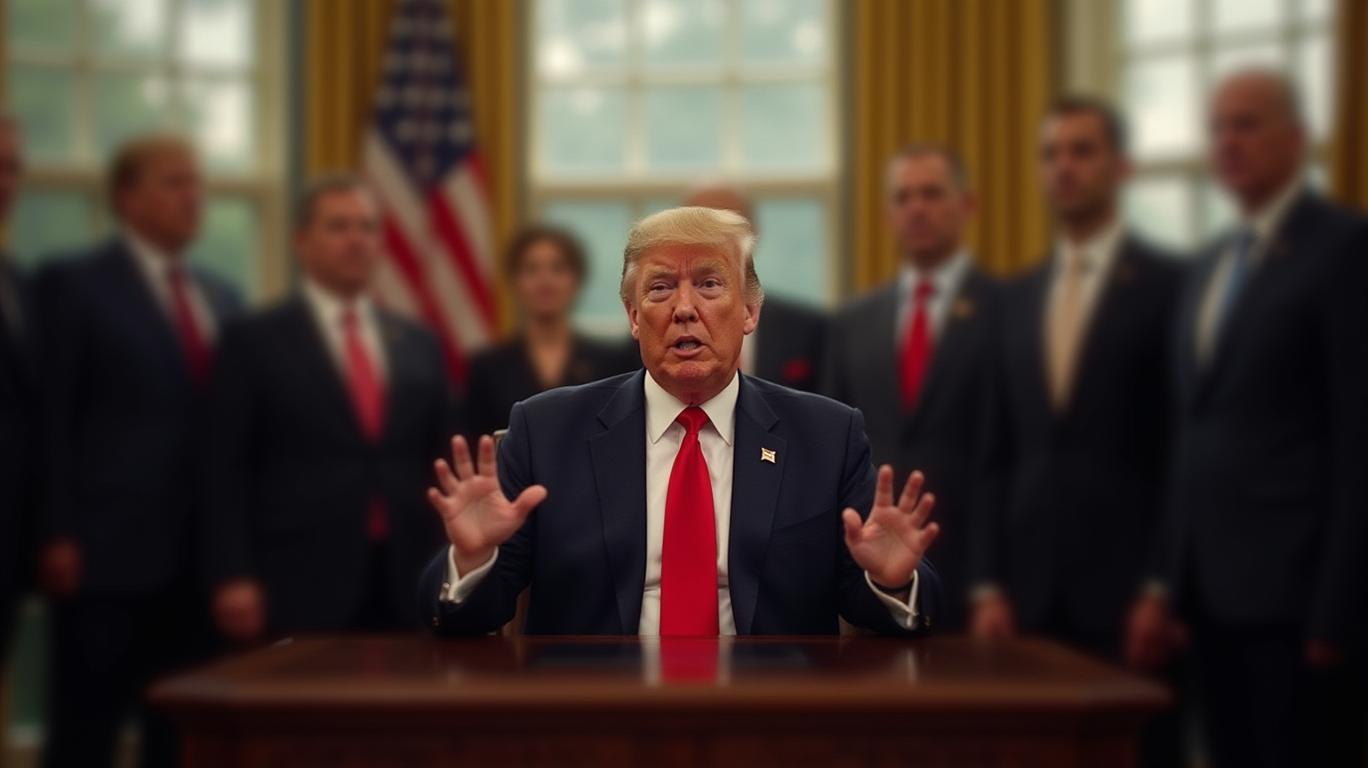

Stay ahead of the market.
Get curated U.S. market news, insights and key dates delivered to your inbox.


AInvest
PRO
AInvest
PRO



Comments
No comments yet