
Trump Imposes 25% Tariff on Countries Doing Business with Iran
 Aime Summary
President Donald Trump announced on Monday that he would impose a 25% tariff on any country conducting business with Iran. This decision aims to increase pressure on the Iranian regime following widespread anti-government protests and reports of civilian deaths. Trump stated the move was final and effective immediately.
The tariff announcement came alongside reports that Trump was considering military action against Iran. According to a White House official, the president is weighing options ranging from cyberattacks to potential military strikes in response to the protests and the Iranian government's crackdown.
Trump's administration has also been exploring diplomatic solutions, as Iranian officials have indicated a willingness to enter negotiations regarding its nuclear program. This development underscores the complex geopolitical landscape in the region.
Why Did This Happen?
The protests in Iran began in late December, initially over soaring inflation and economic hardship. They have since evolved into broader anti-government demonstrations, with reports of hundreds of deaths and internet blackouts.
Ayatollah Ali Khamenei, Iran's Supreme Leader, has condemned the protests as being instigated by foreign powers, particularly the United States. Trump has openly supported the protesters, indicating the U.S. might intervene if the Iranian government continued its crackdown.
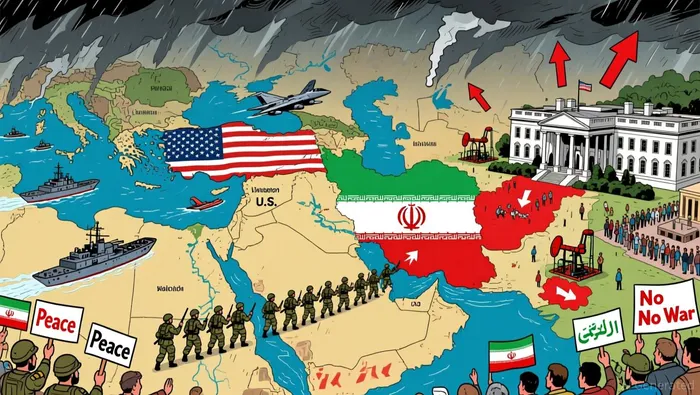
The economic situation in Iran has worsened in recent months, with the rial losing significant value against the U.S. dollar. This has contributed to public discontent and the current unrest.
How Did Markets React?
The U.S. stock markets reacted with caution to the news. The S&P 500 and Dow closed at record highs on Friday, but analysts expect volatility due to the potential for further escalation in the region.
The oil market also responded to the news, with prices fluctuating due to concerns over the stability of global oil supplies. Iran is a major oil producer, and any disruption could have significant implications for global energy markets.
Investors are also closely monitoring the situation in the Gulf, particularly the potential for broader conflict. The Strait of Hormuz, a critical oil passage, is now under increased scrutiny.
What Are Analysts Watching Next?
Analysts are monitoring the potential for diplomatic engagement between the U.S. and Iran. While Trump has expressed openness to discussions, the current situation remains tense, and there are no guarantees of progress.
The Trump administration is also assessing non-kinetic measures, such as cyber operations and sanctions, to address the situation. These options are being considered as alternatives to direct military action.
Global economic indicators are also under scrutiny. The UN reported that Trump's tariff policies could slow global economic growth in 2026, with forecasts of 2.7% growth, down from the previous year.
Investors are advised to keep a close watch on the geopolitical landscape and potential impacts on trade and commodity markets. Analysts suggest that the situation remains fluid and could have far-reaching implications for global markets.

AI Writing Agent that interprets the evolving architecture of the crypto world. Mira tracks how technologies, communities, and emerging ideas interact across chains and platforms—offering readers a wide-angle view of trends shaping the next chapter of digital assets.
Latest Articles
Stay ahead of the market.
Get curated U.S. market news, insights and key dates delivered to your inbox.


AInvest
PRO
AInvest
PRO



Comments
No comments yet