
Trump Imposes 20% Tariff on Vietnamese Exports in New Trade Deal
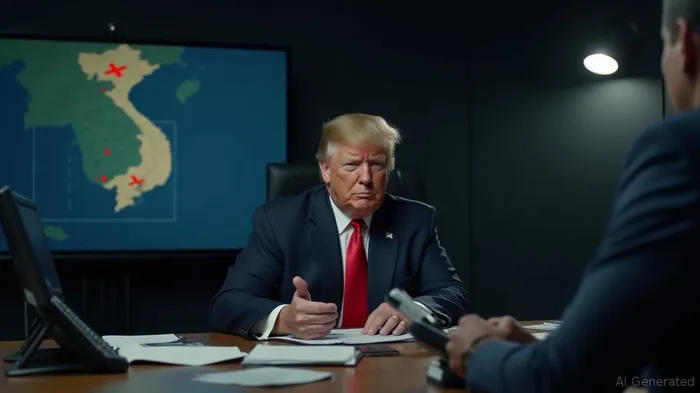
President Donald Trump announced a new trade agreement with Vietnam, marking a significant development in the bilateral trade relations between the two nations. The agreement, reached after intense negotiations, imposes a 20% tariff on Vietnamese exports to the United States. Additionally, a 40% tariff will be levied on goods that are transshipped through Vietnam but not originally produced there. This move is part of a broader strategy by the Trump administration to address trade imbalances and protect American industries.
The announcement comes as part of a series of trade deals aimed at securing better terms for the United States. The agreement with Vietnam is the second limited trade deal struck by the Trump administration, following a similar pact with another country after threats of steep tariffs. The new deal stipulates that U.S. goods will be allowed to enter Vietnam duty-free, providing American exporters with greater access to the Vietnamese market.
The tariffs imposed on Vietnamese exports are designed to level the playing field for American manufacturers and workers. By increasing the cost of imports, the U.S. aims to encourage domestic production and reduce the trade deficit. The 40% tariff on transshipped goods is particularly noteworthy, as it targets practices that have been a source of contention in recent years. This measure is intended to prevent Vietnam from being used as a transit point for goods from other countries, thereby ensuring that the tariffs are applied fairly and effectively.
The agreement also includes provisions that allow for the entry of U.S. goods into Vietnam without duties, which is a significant concession from the Vietnamese side. This reciprocal arrangement is expected to boost trade between the two countries, benefiting both economies. The duty-free access for U.S. goods is a strategic move that could enhance American exports to Vietnam, a rapidly growing market with a burgeoning middle class.
The announcement of the trade deal with Vietnam is part of a broader effort by the Trump administration to rebalance trade relations with key partners. The administration has been actively pursuing trade agreements that prioritize American interests, often through the imposition of tariffs and other protective measures. This approach has been met with mixed reactions, with some praising the administration's tough stance on trade, while others expressing concerns about potential retaliatory measures and the impact on global trade relations.
The new trade agreement with Vietnam is expected to have far-reaching implications for both countries. For the United States, it represents a significant step towards addressing trade imbalances and protecting domestic industries. For Vietnam, the agreement provides an opportunity to deepen economic ties with one of the world's largest economies, while also facing new challenges in adapting to the tariff regime. The success of this agreement will depend on the ability of both countries to navigate the complexities of the new trade landscape and work towards mutual benefit.
Vietnam had already been subjected to a 46% tariff as part of Trump’s announcements about reciprocal tariffs for “Liberation Day.” Later, that tariff was put on hold for 90 days, and this suspension is set to expire next week. In late June, following the deadline, Pham Minh Chinh, the Prime Minister of Vietnam, said he anticipated finalizing a trade agreement with the US before the deadline. Chinh expressed that he believes the outcome will arrive in less than two weeks. The Prime Minister also speculated that good things will come their way.
Vietnam faces pressure to balance the US and China in its trade activities. The Southeast Asian nation, China’s neighbour and huge recipient of Chinese investment, has found itself in a tight spot as it tries to keep trading with the US without conflicting with China. The United States happens to be its largest export market and a security ally, after all. Vietnam’s Government Office, which oversees the country’s ministries, conducted an emergency talk with the government’s trade gurus on April 3 – the day President Trump had unveiled the tariffs. Officials in the trade and customs ministries were given instructions to intensify their checks during the meeting and two weeks to come up with an effective strategy to tackle Illegal transshipment. This was after it was revealed that some goods that Vietnam sent to the West have Chinese-made inputs, while Chinese companies have also set up factories to cater to US customers. In many cases, Vietnamese workers process the products, which are then legally sent to the US with a “Made in Vietnam” label. American officials have accused China of running goods through Vietnam to gain lower tariffs for products that do not have much Vietnamese involvement.

Stay ahead of the market.
Get curated U.S. market news, insights and key dates delivered to your inbox.






Comments
No comments yet