
Trump Imposes 10% Tariff on BRICS Aligned Nations
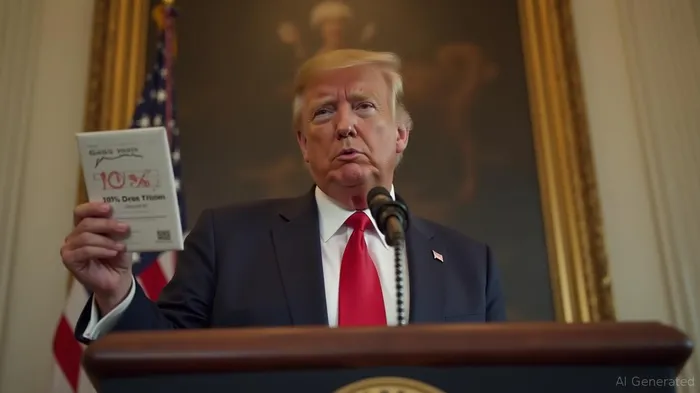
President Donald Trump has intensified trade tensions by imposing additional tariffs on countries that support the BRICS group, which he has labeled as having "anti-American" policies. Trump announced that any nation aligning with the BRICS bloc would face an extra 10% tariff on their exports to the United States. This move is part of a broader strategy to pressure countries into cutting ties with Russia and other nations that the U.S. views as adversaries.
The tariff threat was communicated through "tariff letters" sent to various countries, starting on a Monday. This action is seen as a significant escalation in the ongoing trade disputes, as it targets not just specific products but entire nations based on their political alignments. The BRICS group, which includes Brazil, Russia, India, China, and South Africa, has been vocal in its criticism of Trump's tariff policies, describing them as a threat to the global economy.
Trump's tariff strategy has been evolving since early April, when he imposed a 20% import tax on all EU-made products. This move was part of a broader set of tariffs aimed at countries with which the U.S. has a trade imbalance. The latest threat of an additional 10% tariff on countries aligned with BRICS is a continuation of this policy, aimed at further pressuring trading partners to align with U.S. interests.
Trump has also announced a 25% tariff on Japan and South Korea, effective from August 1. This decision comes after the recent elections in Japan stalled tariff negotiations, with U.S. officials suggesting that an agreement might not even be feasible. Both countries are now subject to new rates, sparking concerns regarding inflation and a potential further decline in cryptocurrency values.
While the clarification of tariff uncertainties might seem beneficial, double-digit rates are anticipated to impact inflation significantly. Given that even Japan and South Korea have been distanced from agreements, the European Union might resist reducing its existing rates more vigorously, potentially exacerbating tensions.
Trump had previously mentioned that sending ultimatum-like letters was a simpler solution compared to formulating agreements. During the prior week, negotiation letters were dispatched, but the recent ones now encapsulate the final terms, marking what could be considered an endpoint to preliminary discussions.
The global response to Trump's tariff threats has been mixed. While some countries have rushed to finalize trade deals ahead of the July 9th tariff deadline, others have expressed concern over the potential impact on their economies. The BRICS group, in particular, has voiced its disapproval, describing Trump's tariffs as a threat to global economic stability.
Trump's tariff policy is not without its critics. Some analysts have pointed out that the additional tariffs could lead to retaliatory measures from affected countries, further escalating trade tensions. However, Trump has remained steadfast in his approach, stating that there will be no exceptions to the new tariff policy. This firm stance has raised questions about the potential long-term impact on U.S. trade relations and the global economy.

Stay ahead of the market.
Get curated U.S. market news, insights and key dates delivered to your inbox.






Comments
No comments yet