
Trump Halt New Wind Solar Approvals Shifts Energy Policy Focus
 Aime Summary
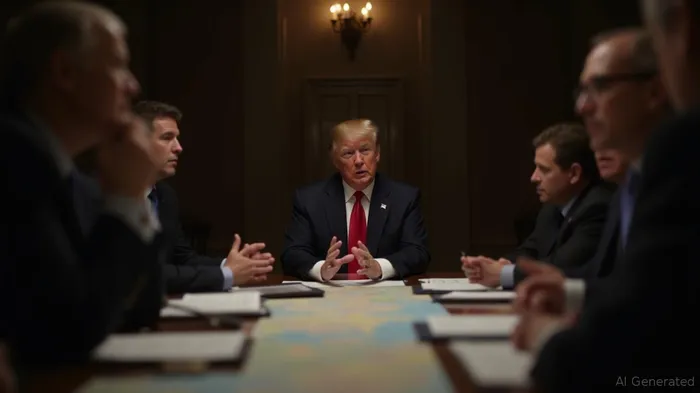
The Trump administration has pledged to halt the approval of new wind and solar energy projects, a stance outlined in a recent post dubbed “The Scam of the Century.” This announcement has reignited discussions about the trajectory of U.S. energy policy, particularly as the administration continues to emphasize deregulation and a shift toward fossil fuel-based energy sources. While specific timelines or detailed plans have not been released, the message is clear: regulatory support for renewable energy projects is now under review.
The move reflects a broader strategy by the administration to reorient national energy priorities. Environmental advocates and industry experts have raised concerns that slowing or stopping new approvals could hinder progress toward national clean energy goals and delay the transition to a low-carbon economy. However, the administration has not yet provided a comprehensive plan to replace or reframe the current renewable energy incentives, leaving uncertainty among stakeholders.
The timing of this announcement is notable, as it comes amid continued global momentum toward renewable energy expansion. In the UK, for example, the integration of wind and solar power has led to consistent reductions in wholesale electricity prices, demonstrating the economic benefits of renewable energy [1]. While the U.S. has not yet seen a parallel analysis, the broader trend reinforces the growing role of renewables in energy markets. The Trump administration’s focus on domestic energy production appears to contrast with these market-driven efficiencies.
The energy policy shift also aligns with broader industrial and national security initiatives. Reports indicate that the Trump administration is considering taking a 10% stake in IntelINTC-- as part of an effort to strengthen the U.S. semiconductor industry [2]. This approach highlights a strategic emphasis on technological self-reliance and regulatory intervention in key sectors. Although distinct from the renewable energy agenda, the decision underscores a pattern of increased federal involvement in critical industries.
Industry analysts remain cautiously optimistic about the resilience of the renewable energy sector, noting that private investment and market dynamics have continued to drive growth despite policy uncertainties. However, potential delays in federal approvals could slow the deployment of new projects, particularly those dependent on regulatory support. This creates a challenge for companies and investors who must navigate an unpredictable policy environment while maintaining long-term strategic planning.
The administration’s approach raises broader questions about the role of government in energy and environmental policy. While the emphasis on deregulation and energy independence is a key administration priority, critics argue that the long-term benefits of renewable energy—such as reduced emissions, cleaner air, and energy security—should remain central to national policy. The debate highlights the ongoing tension between short-term political strategies and long-term environmental and economic goals.
Source: [1] Renewables do unambiguously reduce wholesale power prices • Carbon Commentary (https://carboncommentary.com/2025/08/20/renewables-do-unambiguously-reduce-wholesale-power-prices/) [2] Trump administration in talks to take 10% stake in Intel, Bloomberg News reports • Reuters (https://www.reuters.com/business/finance/trump-administration-in-talks-to-take-10-stake-in-intel-bloomberg-news-reports-2025-08-20/)

Stay ahead of the market.
Get curated U.S. market news, insights and key dates delivered to your inbox.


AInvest
PRO
AInvest
PRO



Comments
No comments yet