
Can Trump’s “Hail Mary” Proposals Fix What Fiscal and Monetary Policy Can’t?
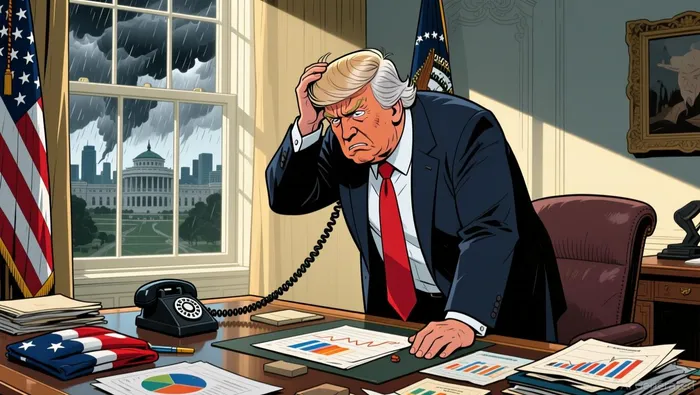
In December, GDP reflected growth of 3.8% and 4.3% in the year’s last two quarters, according to the U.S. Bureau of Economic Analysis. From the start of 2023 through the end of 2025, the S&P 500 delivered a compound total return of approximately 86%, including reinvested dividends. Anyone listening to these superficial numbers and other statistics might conclude that most Americans are financially comfortable and optimistic about their futures. However, if you aren’t rich, the rosy macroeconomic picture is probably not your reality.
Last month, the Consumer Confidence Index fell to its lowest level since the announcement of President Trump’s tariffs: 89.1. The index is made up of two components: the present situation index and the expectations index. While the expectations index was 70.7, it was the 11th consecutive month the expectations remained below 80. When this index stays below 80, it has historically been associated with an increased risk of recession.
Three things are souring consumer confidence: inflation, jobs and housing. Consumers and politicians are asking how much current fiscal and monetary policies can reverse the negative outlook and if Trump’s economic one-off programs will help.
The Bureau of Labor Statistics stated inflation, or CPI, is now 2.62%. With a target inflation rate 2%, the current number makes the Fed look like champs. However, while the annual inflation rate has cooled, price levels have not fallen back to pre-Covid norms. Since 2020, housing is up 57%, and a trip to the grocery store is up 28%. In April 2025, the average tariff was 28%, and its current level has only declined to 18%. Inflation now has a large tariff component. This impacts the Fed’s ability to meet its dual mandate, maximum employment and controlling inflation. Since July 2023, the Federal Reserve has decreased its target interest rate range from 5.25–5.50 to 3.50–3.75%. But it would appear the lower rates haven’t meaningfully helped the average consumer.
More from Michelle Connell
President Trump wants to help consumers by handing out $2000 “tariff dividends.” If Congress approves his proposal, the rebates would be issued later this year. While Trump claims that the revenue from the tariffs has been over $600 billion, the reality is it’s closer to $200 billion. This means that the $2000 payments would need to be financed by borrowing and adding to the Federal deficit. Home ownership remains unaffordable for many people due to high mortgage rates and a lack of supply. Even if the Federal Reserve lowers rates twice this year, the 30-year mortgage rate will not decline to the roughly 5% level many families would need to buy a house. (The current 30 year fixed mortgage rate is 6.16%.) So, Trump has proposed two additional actions to improve affordability: prohibit institutional investment in single-family homes, and have Freddie Mac and Fannie Mae purchase $200 billion in mortgage-backed securities (in the hopes of lowering mortgage rates). Neither suggestion would likely have much impact. Private equity firms own only 3% to 4% of single-family homes. And for mortgage rates to fall into an acceptable range, far more than $200 billion in MBS would likely need to be repurchased. As in the 2008 mortgage crisis, the Federal Reserve—and its balance sheet capacity currently around $7 trillion—would probably need to be involved. More importantly, neither action addresses the underlying lack of housing supply. Probably the most ominous consumer concern is employment. If you have a decent job, you can still pay for some level of housing and food. If that job is taken away for a long period, the ability to stay afloat can change quickly. Unemployment has remained steady at 4.4%. However, December’s job growth came in at the lowest pace outside of a recession: 50,000 jobs. While employment is a key part of the Fed’s dual mandate, lower interest rates alone will probably fail to increase the number of jobs. According to many employers, weak hiring and the risk of rising unemployment are increasingly linked to AI-driven efficiency and automation. You are not imagining it. Life has become far more expensive for the lower 80% who do not have an expanding real estate and stock portfolio. And it’s frightening when your job is at risk—especially if unemployment could extend for an indefinite period. For many, home ownership and paying down debt now feel increasingly out of reach. Our current economic problems may be structural in nature and increasingly immune to traditional fiscal and monetary measures. The chance of fixing them with a set of proposed “Hail Mary” programs is even lower. With federal debt projected to exceed 115% of GDP by 2030, the economy may soon require dynamic—and painful—solutions. When and where they come from is anyone’s guess.
Link: Michelle Connell and Portia Capital Management
_f034a5fd1768207229238.jpg?format=webp&width=700)
_14185db21768207256021.jpg?format=webp&width=700)
_376e90a51765890232851.png?format=webp&width=48&height=48)
Michelle Connell, CFA is the owner of Portia Capital Management. Michelle has over twenty-five years of institutional experience of investing for charities, foundations and high net-worth individuals. As a former semiconductor analyst and tech sector lead, Michelle also invests in public and privately-held technology investments. She is a frequent media contributor to numerous organizations, including: Schwab Network, Bloomberg, Financial Advisors Magazine and StockInvestor.co
Latest Articles
Stay ahead of the market.
Get curated U.S. market news, insights and key dates delivered to your inbox.


AInvest
PRO
AInvest
PRO



