
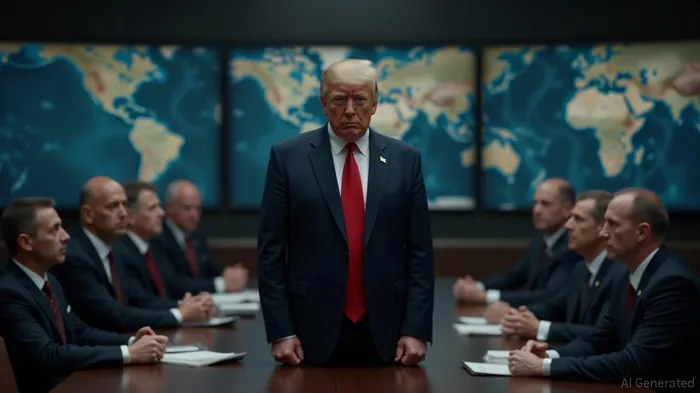
Trump is growing frustrated with the limits of military options against Iran as advisers warn any strike may not be decisive and could lead to wider conflict, according to CBS News reporting.
Trump is growing frustrated with the limits of military options against Iran as advisers warn any strike may not be decisive and could lead to wider conflict, according to CBS News reporting.
Trump’s Iran Strategy Faces Military and Economic Constraints as Risks of Escalation Rise
President Donald Trump has expressed growing frustration with the perceived limitations of military options against Iran, according to multiple sources, as advisers caution that any strike could fail to achieve decisive results and instead trigger broader conflict according to CBS News. The administration is reportedly weighing a larger-scale operation if initial targeted attacks or diplomatic efforts fail to compel Iran to meet U.S. demands, including halting its nuclear enrichment activities as reported by Iran International. However, military leaders, including Chairman of the Joint Chiefs of Staff General Dan Caine, have emphasized that sustained action could provoke Iranian retaliation, destabilize regional alliances, and require prolonged U.S. resource commitments according to CBS News.
A key concern is the potential economic fallout from military escalation. Iran’s possible closure of the Strait of Hormuz—a critical global oil chokepoint—could disrupt 20% of the world’s oil supply, triggering volatility in energy markets and inflationary pressures according to CFR analysis. While the U.S. is less vulnerable to oil shocks than in past decades, such a move would disproportionately impact economies reliant on Iranian oil, including China, which imports roughly 90% of Iran’s exports according to CFR analysis. Additionally, prolonged conflict could divert fiscal resources from domestic priorities, complicating Trump’s efforts to address inflation and position the economy for mid-term elections according to Reuters.
Internally, the administration faces tension between Trump’s preference for assertive action and military advice emphasizing caution. Pentagon officials stress that even “limited” strikes risk unintended consequences, such as proxy attacks on U.S. forces or regional allies, and could entrench Iran’s hardline factions rather than incentivize diplomacy according to Cato Institute. While Trump has framed his approach as a departure from “forever wars,” critics argue that open-ended military engagement risks repeating past interventions’ pitfalls, including protracted costs and geopolitical blowback according to Cato Institute.
As the administration weighs its next steps, the interplay of military, economic, and diplomatic factors underscores the complexity of de-escalating tensions while safeguarding U.S. interests. Investors remain closely monitoring developments, with energy markets particularly sensitive to shifts in the strategic calculus.
Stay ahead of the market.
Get curated U.S. market news, insights and key dates delivered to your inbox.


AInvest
PRO
AInvest
PRO



Comments
No comments yet