
Trump's Fed Chair Play: Implications for Inflation, Interest Rates, and Markets


 Aime Summary
Hassett's Policy Stance and Alignment with Trump
Kevin Hassett, currently the Director of the , has consistently advocated for a more , aligning with Trump's push for lower borrowing costs and pro-growth measures. According to a Reuters report, Hassett has criticized current Fed Chair for being "too late" in adjusting interest rates and has argued that inflation is expected to fall to around 1% in the coming year while economic growth accelerates. His "" stance suggests a preference for significant rate cuts, potentially bringing benchmark rates well below 3% if appointed.
Hassett's background further underscores his dovish credentials. A former economist at the Federal Reserve in the 1990s, he has emphasized his familiarity with the central bank's operations and readiness to assume the role immediately. However, his lack of experience on the (FOMC) raises questions about his ability to navigate the Fed's complex decision-making processes. Trump's preference for candidates with whom he shares a strong personal relationship and aligned economic views further amplifies concerns about potential political influence on monetary policy.
Market Reactions and Investor Sentiment
The markets have already begun pricing in the implications of Hassett's nomination. Traders have pushed the 10-year Treasury yield below 4% as they anticipate aggressive rate cuts under his leadership, reflecting a shift toward risk-on behavior. The S&P 500 futures and rate-sensitive stocks have risen, while the dollar index has weakened, signaling expectations of softer inflation management and accommodative financial conditions. According to Reuters, Hassett's close ties to the Trump administration could raise concerns about the central bank's independence, a cornerstone of its institutional legitimacy.
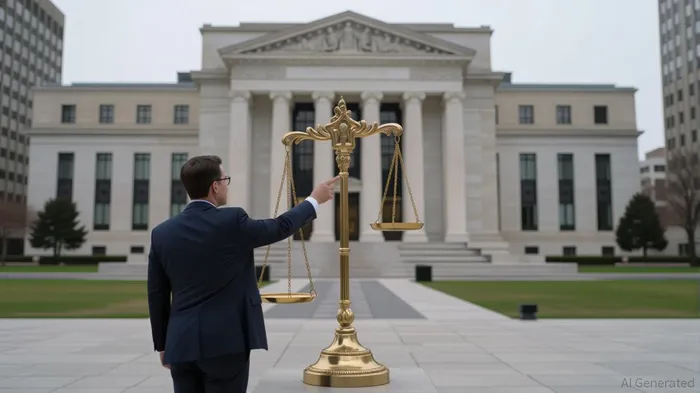
Investor sentiment is divided. While some analysts view Hassett's nomination as a catalyst for growth-oriented policies, others warn of risks to the Fed's credibility. A report by Reuters notes that Hassett's close ties to the Trump administration could raise concerns about the central bank's independence, a cornerstone of its institutional legitimacy. However, legal experts argue that the Federal Reserve Act provides safeguards against political interference, as governors can only be removed for "cause".
Historical Precedents and Fed Independence
Historical precedents highlight the risks of political pressure on the Fed. During the 1960s and 1970s, Presidents Lyndon B. Johnson and Richard Nixon exerted influence to maintain low interest rates, contributing to the "Great Inflation". Pimco's analysis underscores that such episodes erode public trust in monetary policy and destabilize markets. While Hassett has publicly emphasized the need for Fed independence during a CBS interview, Trump's public criticism of Powell and demands for rate cuts suggest a pattern of executive overreach.
Risks and Opportunities for Investors
For investors, the nomination presents a dual-edged sword. A dovish Fed under Hassett could spur risk-taking, benefiting equities and cryptocurrencies, while lower rates might support housing and consumer spending. However, the potential politicization of monetary policy could undermine long-term market stability. Brookings Institution research highlights that perceived Fed independence is critical to maintaining the U.S. dollar's global credibility. If markets perceive the Fed as a political tool, long-term inflation expectations could rise, eroding confidence in U.S. monetary policy.
Conclusion
Trump's selection of Kevin Hassett as a potential Fed Chair reflects a strategic alignment with his economic agenda but introduces significant risks to the Fed's institutional independence. While the markets have initially responded favorably to the prospect of aggressive rate cuts, the long-term implications for inflation, interest rates, and global confidence in the U.S. dollar remain uncertain. Investors must weigh the short-term benefits of accommodative policy against the potential erosion of the Fed's credibility-a balance that could shape financial markets for years to come.

Delivering real-time insights and analysis on emerging financial trends and market movements.
Latest Articles
Stay ahead of the market.
Get curated U.S. market news, insights and key dates delivered to your inbox.


AInvest
PRO
AInvest
PRO



Comments
No comments yet