
Trump Exempts Key Tech Products From Proposed 125% Tariffs
President Donald Trump has announced significant exemptions from his proposed reciprocal tariffs, which were initially set to impact a wide range of goods. The exemptions include key technological products such as smartphones, computers, semiconductors, solar cells, flat panel TV displays, flash drives, memory cards, and solid-state drives. This move represents a strategic shift from Trump's earlier stance, where he had proposed a 125% tax on goods from China and a 10% baseline tariff on all imports, along with reciprocal tariffs on imports from over 180 countries.
The decision to exempt these items is likely aimed at mitigating the potential economic fallout from the tariffs, particularly in the technology sector. By excluding these products, Trump's administration seeks to avoid drastic price increases for essential components like graphics cards, which are crucial for the PC industry. This exemption also aligns with the administration's broader strategy of protecting domestic industries while avoiding significant disruptions in the global supply chain.
The exemptions come at a time when trade tensions between the U.S. and China have escalated. China had previously retaliated against Trump's tariffs by raising duties on U.S. goods to 125% from 84%. The reciprocal tariffs, which were initially proposed to cover nearly $600 billion worth of vehicles and auto parts, as well as all computer imports into the U.S., would have had a profound impact on the global economy. However, by carving out these exemptions, Trump's administration has shown a willingness to negotiate and find a middle ground that balances economic interests with trade policy.
The move to exempt these key technological products is a significant development in the ongoing trade dispute. It underscores the administration's recognition of the importance of these sectors to the U.S. economy and the potential risks associated with imposing tariffs on them. The decision also highlights the complex nature of trade policy, where balancing protectionist measures with the need to maintain economic stability is crucial.
In summary, President Trump's decision to exempt smartphones, computers, semiconductors, and other key technological products from his proposed reciprocal tariffs is a strategic move aimed at mitigating economic disruptions. This decision reflects the administration's efforts to navigate the complexities of trade policy while protecting domestic industries and maintaining economic stability. 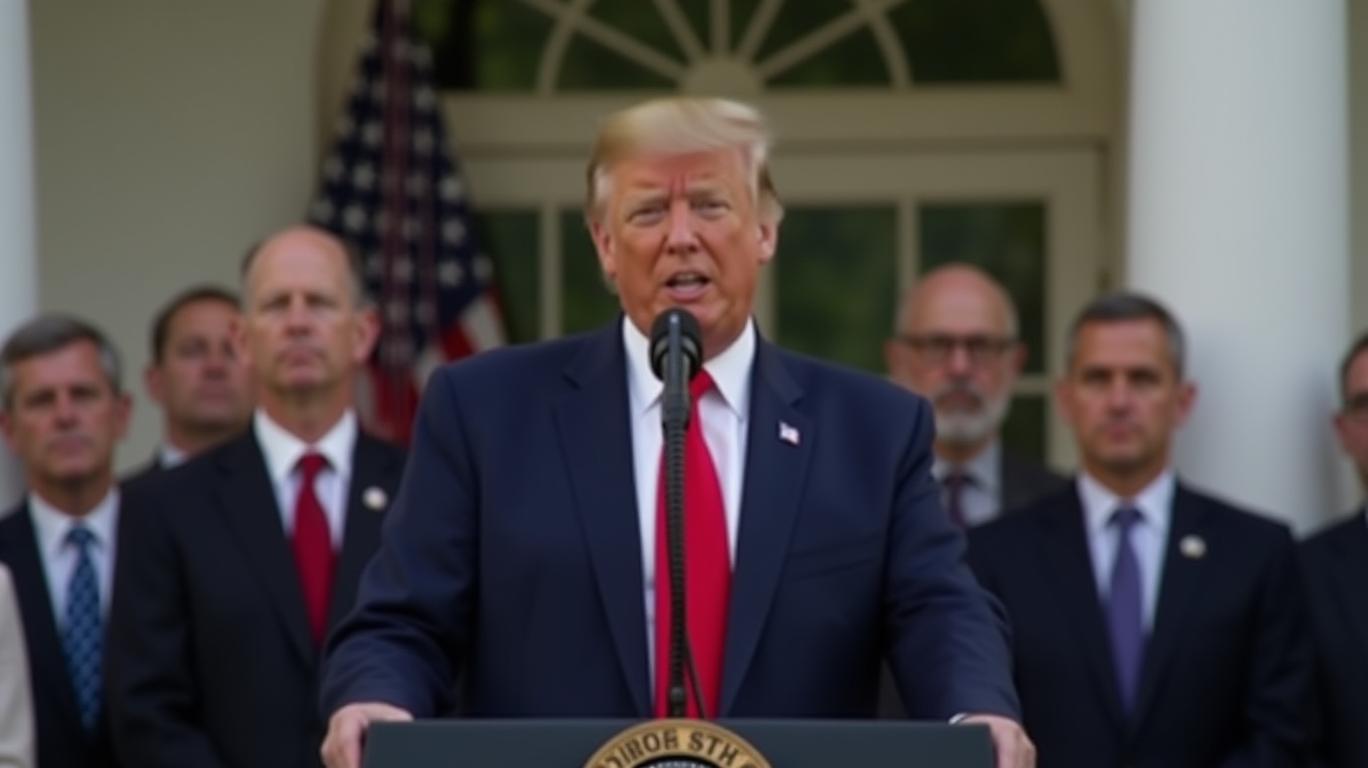

Stay ahead of the market.
Get curated U.S. market news, insights and key dates delivered to your inbox.






Comments
No comments yet