
Trump Establishes Strategic Bitcoin Reserve, U.S. to Hold Bitcoin
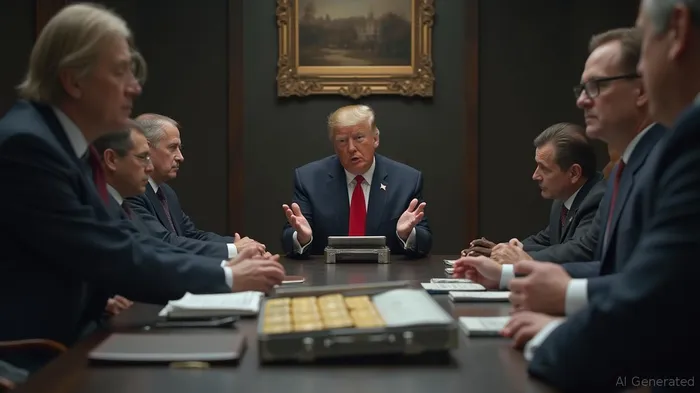
President Donald J. Trump has signed an executive order establishing a Strategic BitcoinBTC-- Reserve in the United States. This move positions the U.S. as a leader in digital assetDAAQ-- strategy, with market reactions anticipated. The U.S. government under President Trump has announced a new initiative to create a Strategic Bitcoin Reserve. This follows an executive order signed to secure the country's role in digital asset management. President Donald J. Trump stated, "Today, President Donald J. Trump signed an Executive Order to establish a Strategic Bitcoin Reserve and a U.S. Digital Asset Stockpile, positioning the United States as a leader among nations in government digital asset strategy." Key parties involved include the President, the Treasury, and the Department of Commerce. Federal agencies are aligning efforts to manage and hold Bitcoin reserves effectively.
The executive order impacts the market by reducing overhang risk traditionally associated with government Bitcoin auctions. This move encourages long-term investment perceptions. The strategic reserve signals a shift towards recognizing Bitcoin as a sovereign reserve asset, potentially influencing global digital asset policies. Financial implications are closely watched. In the past, U.S. auctions of seized Bitcoin, such as the Silk Road auctions, imposed selling pressures. The current directive indicates a policy shift from selling to retaining assets. Experts predict this change could signify long-term governmental commitment to Bitcoin, potentially elevating its status in national reserves, as digital currencies evolve globally, a speculation supported by ongoing initiatives like Project Hamilton.
In a significant move, President Donald Trump signed an executive order in March to establish the Strategic Bitcoin Reserve and the U.S. Digital Asset Stockpile. This initiative aims to normalize cryptocurrency, particularly Bitcoin, within the U.S. financial system. The Strategic Bitcoin Reserve is designed to act as a store of reserve assets, with the U.S. committing not to sell the Bitcoin deposited into it. This reserve is part of a broader strategy to integrate digital assets into the nation's financial infrastructure. The creation of the Strategic Bitcoin Reserve is seen as a proactive measure to ensure that the U.S. remains at the forefront of the digital asset revolution. Trump has been vocal about his support for the crypto industry, stating that it is a powerful sector that the U.S. has developed. He believes that if the U.S. did not foster this industry, other nations would capitalize on the opportunity. Trump's administration has been aggressive in its pro-crypto policies, not only establishing the reserve but also working on legislation related to stablecoins and market structure.
The executive order allows for the purchase of additional Bitcoin, provided there is a strategic need. This move has been confirmed by officials, who have stated that the U.S. has already begun transferring seized or previously held Bitcoin into the Strategic Bitcoin Reserve. The administration's approach is seen as a way to take pressure off the U.S. dollar by adopting Bitcoin as a payment option, which Trump believes is beneficial for the country. However, the initiative has not been without controversy. Democrats have raised concerns about potential conflicts of interest arising from the Trump family's involvement in various crypto ventures. The Trump family has investments in different segments of the crypto industry, including meme coins, stablecoins, Bitcoin mining, and crypto exchange-traded funds (ETFs). Despite these concerns, Trump has maintained that his focus is on building the crypto industry rather than personal investments. The establishment of the Strategic Bitcoin Reserve is part of a broader effort to integrate digital assets into the U.S. financial system. Federal agencies are mandated to report on their holdings of Bitcoin and other digital assets, ensuring transparency and accountability. This move is seen as a step towards normalizing crypto within the U.S. financial landscape, positioning the country as a leader in the digital asset revolution.

Stay ahead of the market.
Get curated U.S. market news, insights and key dates delivered to your inbox.


AInvest
PRO
AInvest
PRO



Comments
No comments yet