
Trump Establishes $6.9B Bitcoin Reserve, Sparking Mixed Investor Reactions
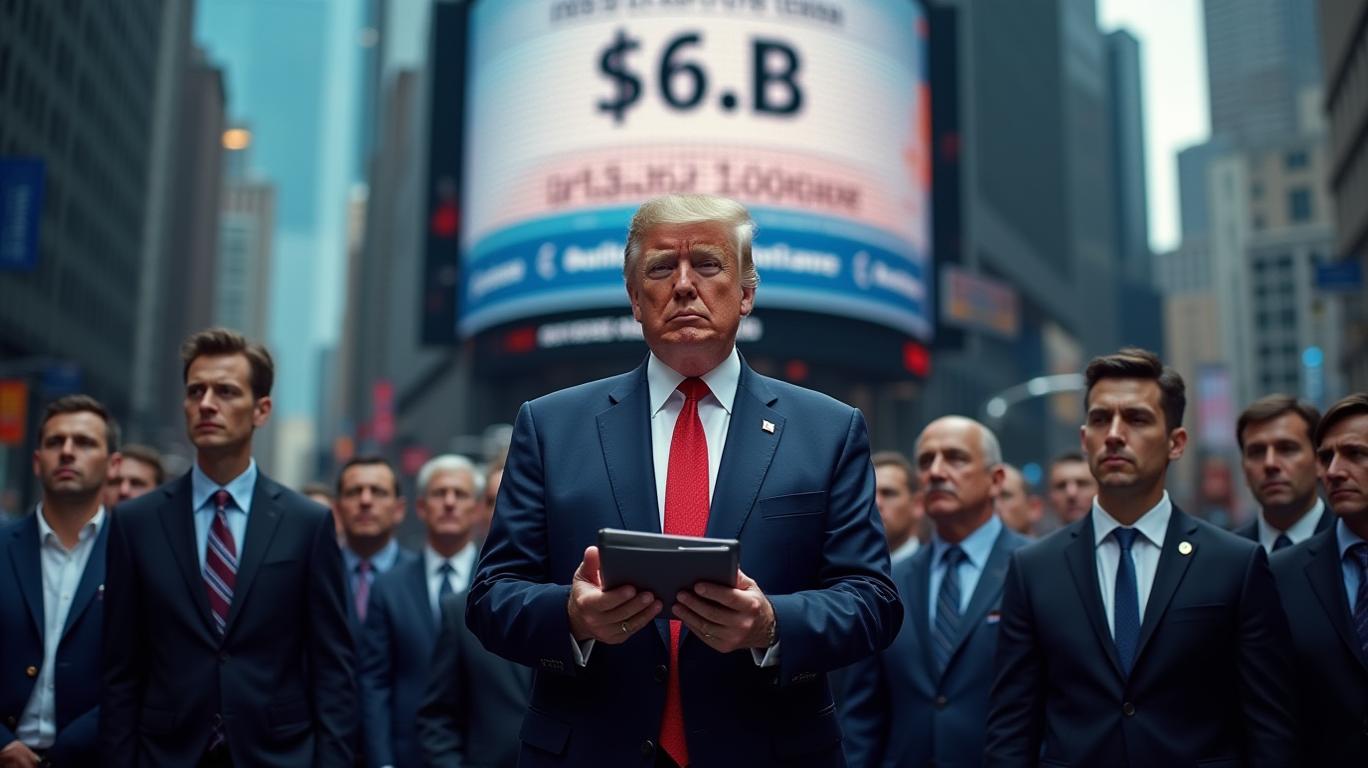
On March 7, President Trump signed an executive order establishing both a Strategic Bitcoin Reserve (SBR) and a U.S. Digital Asset Stockpile. The SBR will initially be funded with crypto assets seized by the Department of Treasury through criminal and civil asset forfeiture, with an estimated $6.9 billion in bitcoin. The Digital Asset Stockpile includes tokens like ETH, SOL, XRP, and ADA, with the government holding approximately $400 million in non-BTC coins.
The creation of the SBR has sparked mixed reactions among investors. Bitcoin enthusiasts were initially disappointed by the inclusion of other crypto assets and the modest initial goals of the Reserve. Meanwhile, altcoin supporters were initially excited but soon became disillusioned as it became clear that the government had no plans to expand the Digital Asset Stockpile beyond its current holdings.
The concept of a strategic reserve for critical assets or commodities is not new. Governments maintain stockpiles of gold, petroleum, and foreign currencies. In this context, a strategic bitcoin reserve could be seen as a logical step if bitcoin continues to evolve into a significant commodity and monetary asset. By committing never to sell its BTC holdings, the government has removed a substantial amount of potential selling pressure from the market, signaling to other governments that bitcoin is strategically important.
Treasury Secretary Scott Bessent and Commerce Secretary Howard Lutnick, both known for their support of bitcoin, are authorized to develop budget-neutral strategies for acquiring additional BTC. These strategies could include selling unused government assets, revaluing and selling government gold to buy bitcoin, using surplus funds from the Treasury’s Exchange Stabilization Fund, selling altcoins from the Digital Asset Stockpile, or using tariff revenue from the import of bitcoin mining equipment. If implemented, these programs could significantly increase the size of the SBR.
The Digital Asset Stockpile, which includes platforms like Ethereum and Solana, could help future-proof the government and signal its support for new technology. However, the government has indicated that it may sell these digital assets to bolster the SBR, suggesting that the Digital Asset Stockpile may not be a priority.
For investors, the SBR is neutral in the short term but could be positive in the long term if it scales through budget-neutral mechanisms. The future of the Digital Asset Stockpile remains uncertain, as the government may either grow the asset base through revenue-neutral mechanisms or sell the altcoins to boost its BTC balance.
Alex Tapscott, managing director of Ninepoint Digital Asset Group, suggests that the government should focus on collaborating with industry, civil society, regulators, and lawmakers to create laws and regulations that support the industry, encourage investment, and catalyze capital formation and entrepreneurship.
Bryan Courchesne, CEO of DAIM, believes that the establishment of the SBR is an opportune time for individual investors to consider creating their own personal bitcoin reserve. Bitcoin's scarcity and potential for price appreciation make it a prudent addition to a diversified portfolio. Investing in bitcoin is not just about securing a digital stake but also about participating in a technological revolution. However, investors should consider their overall portfolio, time horizon, liquidity needs, and risk tolerance when deciding to buy bitcoin.

Stay ahead of the market.
Get curated U.S. market news, insights and key dates delivered to your inbox.


AInvest
PRO
AInvest
PRO



Comments
No comments yet