
Trump Escalates Criticism of Powell Over Interest Rates
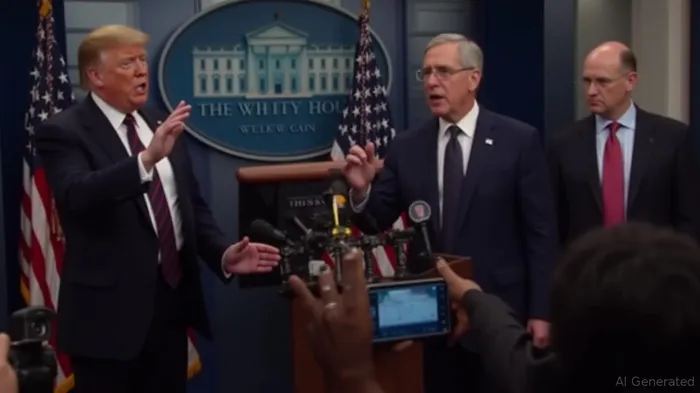
US President Donald Trump has escalated his criticism of Federal Reserve Chairman Jerome Powell, asserting that Powell should be lowering interest rates. Trump acknowledged that his public criticism of Powell makes it more challenging for the Fed chair to perform his duties effectively. Trump has been vocal about his dissatisfaction with Powell's handling of monetary policy, particularly the Fed's decision to keep interest rates steady. The president has repeatedly called for lower rates, suggesting that Powell should resign if he is unable to meet Trump's expectations.
Trump's comments come amid ongoing trade tensions and economic uncertainties, with the president defending his tariff policies and their impact on global trade. According to the White House Council of Economic Advisers (CEA), the tariff policy has zero impact on inflation. Research data shows that import prices are continuing to decline, which Trump claims confirms his previous prediction. Trump has stated that tariffs are making the country "prosper," with many new factories, jobs, and trillions of dollars in investment pouring into the United States.
The president's public pressure on the Fed is unprecedented and has raised concerns about the independence of the central bank. Trump's remarks have added another layer of complexity to the Fed's decision-making process, as it navigates the delicate balance between supporting economic growth and maintaining price stability. The president's calls for lower rates and his criticism of Powell have sparked debate about the appropriate role of the Fed and the extent to which it should be influenced by political considerations.
Trump's criticism of Powell is not new, but his recent comments have been particularly harsh. He has compared Powell to a "baby" who has been "whining" about non-existent inflation for months. Trump's comments suggest that he believes Powell is not doing enough to support the economy, and that lower interest rates are necessary to maintain economic growth. However, Powell has maintained that the Fed's decisions are based on economic data and not political pressure, and that the central bank will continue to act in the best interests of the economy.
Trump's criticism of Powell and his calls for lower interest rates come at a time when the economy is facing a number of challenges, including trade tensions with China and other countries, as well as uncertainty about the future of the US economy. While some analysts have suggested that lower interest rates could help to stimulate economic growth, others have warned that such a move could lead to inflation and other economic problems. The Fed's decision-making process is complex and involves a number of factors, including economic data, inflation expectations, and the overall health of the economy. The central bank must balance the need to support economic growth with the need to maintain price stability, and its decisions are based on a careful analysis of all available information.

Stay ahead of the market.
Get curated U.S. market news, insights and key dates delivered to your inbox.






Comments
No comments yet