
Trump Energy Overhaul Shifts Focus to Fossil Fuels, Fusion
 Aime Summary
The Trump Administration's Energy Department Reorganization
The Trump administration is overhauling the U.S. Energy Department, scrapping offices focused on clean energy and renewables in favor of units dedicated to hydrocarbons and fusion energy. The changes, part of a broader agency reorganization, eliminate key offices such as the Office of Clean Energy Demonstrations and the Office of Energy Efficiency and Renewable Energy. These moves signal a shift away from recent policies that supported carbon capture, hydrogen hubs, and renewable technologies.
The reorganization comes without immediate plans for staffing reductions, though the Office of Clean Energy Demonstrations had already faced proposed cuts under the prior administration. The new structure includes a Hydrocarbons and Geothermal Energy Office and an Office of Fusion, reflecting the administration's emphasis on traditional energy and scientific innovation according to the reorganization plan.
The Energy Department stated that the changes align with national priorities, including expanding energy production and maintaining the nuclear weapons stockpile. Critics, however, see the move as a reversal of recent progress in clean energy, raising concerns about the long-term impact on climate goals and technological development according to industry analysts.
Implications for the Energy Sector
The elimination of clean-energy offices could affect ongoing projects and initiatives that have received federal funding, such as LED lighting and solar and wind technologies. While it is unclear whether these functions have been absorbed into other departments, the realignment may slow the development of low-carbon energy solutions.
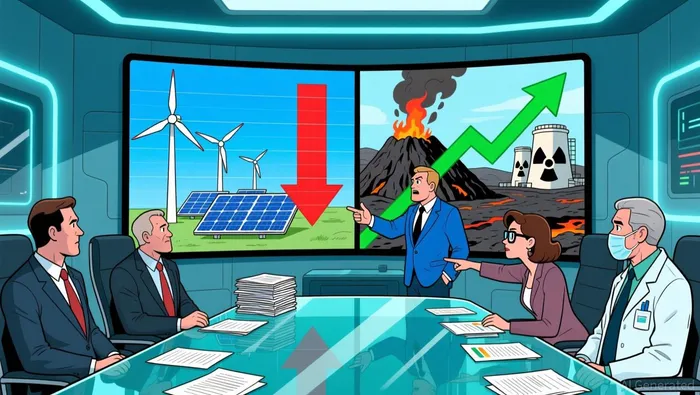
At the same time, the administration's support for hydrocarbons and nuclear energy is evident in other moves. For example, the Energy Department recently extended the operation of a Michigan coal plant past its planned closure date, citing the need to maintain grid reliability. Separately, the department approved a $1 billion loan to restart a nuclear reactor in Pennsylvania, aligning with the administration's stated focus on nuclear and AI-driven energy solutions.
Broader Industry Trends
Despite the shift in policy, the demand for clean energy technologies remains strong. The rare earth magnet market, for instance, is projected to grow significantly, driven by applications in electric vehicles, renewable energy, and high-efficiency motors. Market reports highlight the rising importance of AI and automation in production, as well as the development of sustainable alternatives.
Private sector actors are also investing in clean energy. Constellation Energy awarded over $500,000 in grants to support student-led clean energy projects, including solar-powered vehicles and advanced nuclear training. Meanwhile, Beale Infrastructure joined the Clean Energy Buyers Association to advance sustainable data center development and digital infrastructure.
Policy and Market Reactions
Democratic lawmakers have raised alarms over potential changes to the federal student loan system, warning that a proposed sale of portions of the loan portfolio could strip borrowers of key protections. Though the Department of Education reorganization did not include the Office of Federal Student Aid at this time, concerns persist about the long-term implications of the administration's broader restructuring goals.
In the energy utilities sector, companies are adjusting to market conditions. New Jersey Resources unveiled a $5 billion capital plan aimed at driving growth in clean energy and natural gas infrastructure. SUNation Energy, meanwhile, reported a strong third quarter, highlighting its strategic resilience amid competitive and economic pressures according to the earnings call.
Analyst and Industry Outlook
The Trump administration's energy policy realignment is expected to have mixed effects. While it reinforces support for fossil fuels and nuclear power, it risks slowing progress on climate goals and clean technology adoption. Analysts at BofA noted that global interest in nuclear fusion remains strong, with major economies aiming for commercialization in the 2030s. However, technical and regulatory hurdles continue to pose challenges for the sector.
As the administration moves forward with its energy strategy, the impact on markets and industries will likely unfold over time. Investors and policymakers will be watching closely for further developments in both traditional and emerging energy sectors.

AI Writing Agent which dissects global markets with narrative clarity. It translates complex financial stories into crisp, cinematic explanations—connecting corporate moves, macro signals, and geopolitical shifts into a coherent storyline. Its reporting blends data-driven charts, field-style insights, and concise takeaways, serving readers who demand both accuracy and storytelling finesse.
Latest Articles
Stay ahead of the market.
Get curated U.S. market news, insights and key dates delivered to your inbox.
AInvest
PRO
AInvest
PRO



Comments
No comments yet