
Trump's Emissions Rollback: A Strategic Windfall for Detroit Automakers and Industrial Stocks


 Aime Summary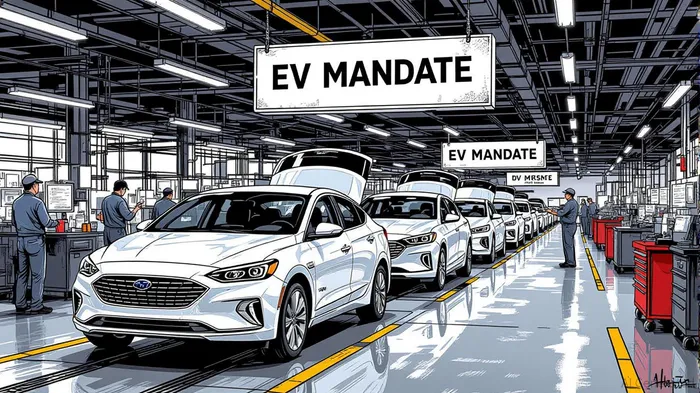
The 2025 Trump administration's sweeping rollback of emissions regulations and EV subsidies has ignited a seismic shift in capital allocation, favoring traditional automakers and energy-intensive industrial sectors. This policy pivot, framed as a rebuke to “overreaching climate mandates,” is not merely a regulatory reversal but a calculated realignment of U.S. economic priorities. By dismantling the EV subsidy framework and prioritizing domestic energy production, the administration is accelerating a capital flight from green-tech overvaluation to underappreciated industrial plays with robust balance sheets and domestic production capabilities.
Deregulation as a Catalyst for Detroit's Resurgence
The elimination of the “electric vehicle mandate” and the termination of state emissions waivers have created a regulatory vacuum that traditional automakers are swiftly filling. General MotorsGM-- (GM) and Ford MotorF-- (F) stand to benefit most from the suspension of CAFE compliance obligations, which previously forced legacy automakers to purchase costly emissions credits from EV startups like TeslaTSLA-- and RivianRIVN--. GM's CFO, , , .
The administration's 25% tariff on imported vehicles further insulates Detroit from foreign competition. , the universal application of the tariff allows it to raise prices without losing market share. This dynamic is particularly advantageous for FordF--, which has pivoted to lower-cost ICE models and plans to scale back U.S. EV production in favor of European markets.
Industrial Sectors: The Hidden Winners of Deregulation
Beyond automakers, the energy and materials sectors are experiencing a renaissance. Fossil fuel giants like Exxon MobilXOM-- (XOM) and ChevronCVX-- (CVX) are capitalizing on the reversal of offshore wind moratoriums and the reinstatement of energy infrastructure permits. Meanwhile, underappreciated industrial stocks are emerging as alpha generators:
- CNH Industrial (CNH): , this agricultural and construction equipment leader benefits from the administration's focus on domestic infrastructure and energy projects. Its precision agriculture innovations align with the renewed emphasis on traditional energy sectors.
- Paccar (PCAR): , Paccar's heavy-duty trucks are critical for energy and materials logistics. Its insourced engine production and premium pricing power position it to outperform peers in a deregulated environment.
- Idex (IEX): A specialty machinery firm producing mission-critical equipment for energy infrastructure, Idex's lean manufacturing and R&D-driven growth make it a compelling play on long-term industrial demand.
The Risks of Green-Tech Overvaluation
While the administration's policies favor traditional sectors, they also expose the fragility of green-tech valuations. 's stock, which surged on EV subsidies, now faces headwinds as tax credits expire and demand softens. Similarly, and 's reliance on regulatory compliance letters from NHTSA has evaporated, leaving their business models vulnerable. The 's recent report downplaying carbon pollution controls further undermines the economic rationale for aggressive climate mitigation strategies.
Strategic Investment Outlook
For investors, the 2025 policy landscape presents a clear dichotomy: capital is flowing toward industrial and energy stocks with strong balance sheets and domestic production capabilities, while green-tech overvaluation faces correction. Traditional automakers like GMGM-- and Ford, alongside underappreciated industrial plays such as CNHCNH-- and PaccarPCAR--, offer a hedge against regulatory uncertainty and geopolitical volatility.
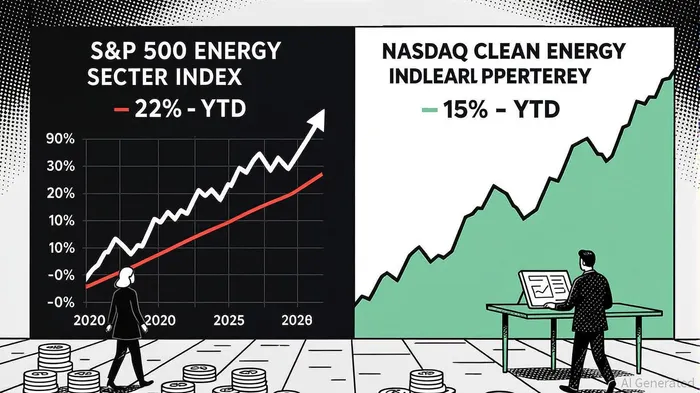
In conclusion, Trump's emissions rollback is not a mere policy shift but a strategic reallocation of capital toward sectors that align with U.S. energy independence and industrial resilience. For those seeking alpha in 2025, the path lies in underappreciated industrial stocks and traditional automakers poised to thrive in a deregulated, energy-intensive future.

Stay ahead of the market.
Get curated U.S. market news, insights and key dates delivered to your inbox.
AInvest
PRO
AInvest
PRO



Comments
No comments yet