
Trump Eases Iran Oil Sanctions to Curb Prices: Market Implications
 Aime Summary
The Trump administration has temporarily lifted sanctions on Iranian oil at sea to increase global oil supply and reduce rising prices amid the U.S.-led war with Iran. The move, lasting 30 days, authorizes the sale of approximately 140 million barrels of Iranian crude currently loaded on tankers, potentially stabilizing oil prices and easing supply pressures. Treasury Secretary Scott Bessent emphasized that Iran is unlikely to benefit much from the sales due to continued financial restrictions, but critics argue the decision could inadvertently fund Iran's war effort. The administration has also released oil from strategic reserves and considered other measures, including military escorts for tankers in the Strait of Hormuz.
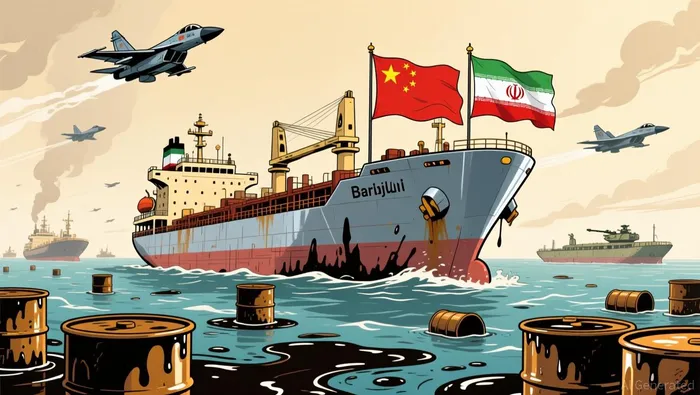
The U.S. has been facing a severe energy crisis driven by the war with Iran, which has disrupted shipments through the Strait of Hormuz and caused global oil prices to spike. To address this, the Trump administration temporarily removed sanctions on Iranian oil already at sea, allowing foreign buyers to purchase it without the usual restrictions. The goal is to boost global oil supply . This oil is largely bound for China and has been delayed due to geopolitical tensions and financial barriers.
The strategy is part of a broader effort to manage energy prices while maintaining pressure on Iran. The administration is balancing the need to stabilize global markets with its 'maximum pressure' policy on Iran, which includes restricting access to the international financial system. However, some analysts argue that the move may not have a significant impact unless the Strait of Hormuz reopens, which remains a major bottleneck for global oil flows.
For investors, the situation presents both risks and opportunities. Energy prices are highly sensitive to geopolitical developments, and the ongoing war has created a volatile environment for oil and gas markets. Companies involved in oil transportation, refining, and energy trading may see shifts in demand and pricing. At the same time, the administration's reliance on emergency measures like releasing strategic reserves and easing sanctions raises questions about the long-term sustainability of its energy strategy.
What to watch next includes whether the Strait of Hormuz returns to normal operations, the extent to which the released oil enters the market, and how global oil prices respond. The administration's continued actions—whether through sanctions, diplomacy, or military operations—will shape the trajectory of the energy crisis in the coming weeks and months.
What Is the Impact of Easing Sanctions on Iranian Oil?
The temporary lifting of sanctions on Iranian oil is a direct response to the energy crisis caused by the war with Iran. By allowing the sale of 140 million barrels of crude already at sea, the administration is seeking to increase supply and ease price pressures. This approach mirrors previous actions taken against Russian oil, where the U.S. sought to boost global supply by relaxing restrictions. The move is also intended to prevent further economic damage to the U.S. and its allies, particularly as gas prices have risen to record levels.
While the administration argues that Iran will not benefit much from the sales—due to financial restrictions on its access to international banking—the move has drawn criticism for potentially providing Iran with revenue to fund its war efforts. This underscores the complex trade-offs involved in managing global energy markets during geopolitical conflicts. At the same time, the decision highlights the administration's willingness to adapt its sanctions policy in response to market conditions, even if it runs counter to its broader geopolitical goals.
How Is the War With Iran Affecting Oil Markets?
The war with Iran has had a profound impact on oil markets, with the becoming a focal point of supply concerns. This critical shipping lane handles a significant portion of global oil exports, and disruptions have led to rising prices and uncertainty. The conflict has also shifted the focus from the closure of the Strait to broader issues involving oil flows, export infrastructure, and the stability of supply chains.
In response, the Trump administration has taken multiple steps to stabilize the market. These include releasing oil from the Strategic Petroleum Reserve, relaxing environmental regulations on summer gasoline blends, and considering military escorts for tankers in the region. The administration is also coordinating with allies like Japan to manage supply stability. These measures reflect a broader strategy of using both economic and military tools to maintain energy security while pursuing diplomatic and military goals in the region.
The situation remains fluid, and investors should closely monitor developments in the Strait of Hormuz, the effectiveness of the released oil in stabilizing prices, and the administration's next steps. The market's reaction will depend on how these factors play out over the coming weeks and months.

Stay ahead of the market.
Get curated U.S. market news, insights and key dates delivered to your inbox.


AInvest
PRO
AInvest
PRO



Comments
No comments yet