
Trump's Drug Price Plan Faces Industry Backlash, Legal Hurdles
President Trump has introduced a plan to link U.S. drug prices with those of other developed nations, aiming to lower medication costs for American consumers. However, experts have expressed significant doubts about the feasibility of this initiative, highlighting numerous challenges that could impede its implementation.
The proposed plan, known as the "Most Favored Nation" policy, seeks to align U.S. drug prices with those in countries where pharmaceuticals are generally less expensive. The administration believes that this approach could save the U.S. healthcare system billions of dollars annually. However, the path to achieving this goal is fraught with obstacles.
One of the primary concerns is the potential backlash from the pharmaceutical industry. Drug manufacturers have already expressed opposition to the plan, arguing that it could stifle innovation and research. They contend that the lower prices in other countries are often the result of government price controls, which could limit their ability to invest in new treatments and cures.
Another challenge is the legal hurdles that the administration may face. The plan could be subject to legal challenges from pharmaceutical companies and other stakeholders who argue that it infringes on their intellectual property rights. The outcome of such legal battles could significantly impact the timeline and effectiveness of the initiative.
Moreover, the plan's success hinges on the cooperation of other countries. The U.S. would need to negotiate agreements with these nations to ensure that their drug prices are used as a benchmark. This process could be complex and time-consuming, as each country has its own regulatory framework and pricing mechanisms.
Experts also point out that the plan may not address the root causes of high drug prices in the U.S. For instance, the lack of competition in the pharmaceutical market and the high cost of research and development are significant factors contributing to the high prices. Simply linking prices to other countries may not be enough to address these underlying issues.
Health policy experts have expressed skepticism about the effectiveness of the plan. Gerard Anderson, a professor of health policy and management at Johns Hopkins University, stated that it is unlikely that pharmaceutical companies will voluntarily lower their prices, and that other countries will not willingly increase their prices. Tricia Neuman, the executive director of the Kaiser Family Foundation's Medicare policy program, highlighted the uncertainty surrounding which countries will be included in the benchmarking process and the potential impact on drug availability for Americans.
Analysts have also noted the potential for legal challenges and the need for congressional approval, which could further complicate the implementation of the plan. Evan Seigerman, an analyst at BMOBMO-- Capital Markets, described the plan as more of a "public relations risk" for the pharmaceutical industry rather than a significant threat to its operations. He also expressed doubts about the plan's feasibility, suggesting that it may be more of a rhetorical gesture than a practical policy.
In summary, while the Trump administration's plan to link U.S. drug prices to those of other developed nations is a bold step towards reducing healthcare costs, it faces numerous challenges that could hinder its success. The pharmaceutical industry's opposition, legal hurdles, and the need for international cooperation are just a few of the obstacles that the administration must navigate. The plan's ultimate impact on drug prices and the healthcare system remains uncertain, and its success will depend on overcoming these significant challenges. 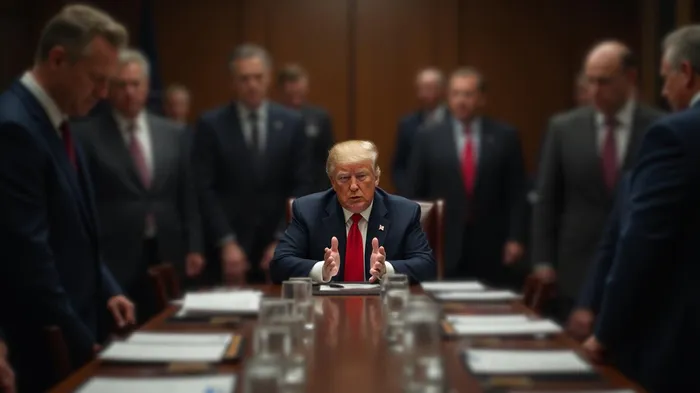

Manténgase al tanto de las noticias de Wall Street en tiempo real.
Latest Articles
Stay ahead of the market.
Get curated U.S. market news, insights and key dates delivered to your inbox.


AInvest
PRO
AInvest
PRO



Comments
No comments yet