
Trump's DOT Nominee: EVs Should Pay for Road Use
Generated by AI AgentWesley Park
Thursday, Jan 16, 2025 4:27 am ET2min read
GM--
As electric vehicles (EVs) continue to gain popularity, the debate over how to fund road infrastructure has intensified. President Trump's nominee for the head of the Department of Transportation (DOT), Sean Duffy, has weighed in on the issue, suggesting that EVs should pay for their use of roads. But is this a fair and effective solution? Let's dive into the details and explore the potential impacts on EV affordability, adoption, and the competitive landscape between traditional and electric vehicle manufacturers.

The Case for Road Usage Fees
Duffy argues that EVs should contribute to road maintenance costs, as they currently do not pay gasoline taxes, which traditionally fund road repairs. This is a valid point, as EVs do cause wear and tear on roads, and it's only fair that they help cover the costs. However, the question remains: how should this be implemented, and will it have unintended consequences?
Potential Impacts on EV Affordability and Adoption
Imposing road usage fees on EVs could potentially increase their upfront costs, making them less affordable for some potential buyers. According to Moe Khatib's analysis, 45 states already impose at least one tax or fee on EV drivers, with 36 states having EV drivers paying more in taxes than gasoline vehicle owners. Higher fees could further discourage EV adoption, especially in states where EV taxes are already high.
Moreover, higher fees could slow down the growth of the EV market. The International Energy Agency (IEA) projects that EVs will constitute 15% of global car sales by 2030. However, if road usage fees discourage EV adoption, this growth could be slower than expected, impacting the entire EV ecosystem, including charging infrastructure providers and battery manufacturers.
Impact on the Competitive Landscape
A road usage fee for EVs could potentially shift the competitive landscape between traditional and electric vehicle manufacturers. Higher costs for EV owners could make traditional vehicles more competitive in terms of total cost of ownership, benefiting traditional vehicle manufacturers like General Motors, Ford, and Toyota. However, this could also lead to a shift in consumer behavior, with some potential EV buyers opting for traditional vehicles instead.
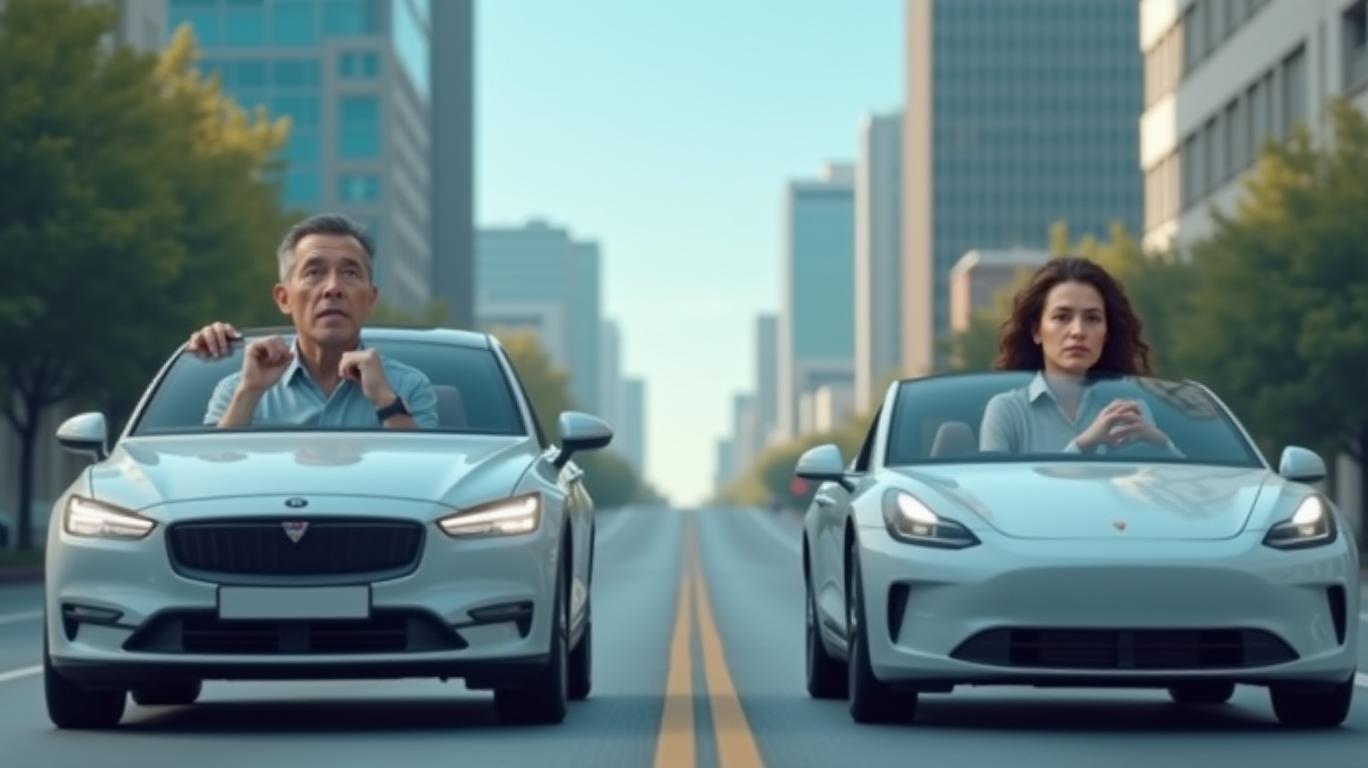
On the other hand, governments might introduce or increase incentives for EV adoption to mitigate the impact of road usage fees. This could include tax credits, rebates, or other financial incentives, helping maintain the competitive edge of EV manufacturers and encouraging EV adoption.
Alternative Funding Mechanisms
As EV adoption grows, governments will need to explore alternative funding mechanisms to maintain road infrastructure. Some potential alternatives include road usage charges (RUCs), increased registration fees for EVs, electricity taxes, sales taxes, and general fund transfers. Each option has its own set of challenges and potential drawbacks, and it's important for policymakers to consider the potential impacts on EV adoption and the overall economy.
In conclusion, while Duffy's proposal to have EVs pay for road use has some merit, it's crucial to consider the potential impacts on EV affordability, adoption, and the competitive landscape between traditional and electric vehicle manufacturers. As EV adoption continues to grow, governments should explore alternative funding mechanisms and weigh the pros and cons of each option to ensure a balanced and fair approach to road infrastructure funding.
ROAD--
As electric vehicles (EVs) continue to gain popularity, the debate over how to fund road infrastructure has intensified. President Trump's nominee for the head of the Department of Transportation (DOT), Sean Duffy, has weighed in on the issue, suggesting that EVs should pay for their use of roads. But is this a fair and effective solution? Let's dive into the details and explore the potential impacts on EV affordability, adoption, and the competitive landscape between traditional and electric vehicle manufacturers.
The Case for Road Usage Fees
Duffy argues that EVs should contribute to road maintenance costs, as they currently do not pay gasoline taxes, which traditionally fund road repairs. This is a valid point, as EVs do cause wear and tear on roads, and it's only fair that they help cover the costs. However, the question remains: how should this be implemented, and will it have unintended consequences?
Potential Impacts on EV Affordability and Adoption
Imposing road usage fees on EVs could potentially increase their upfront costs, making them less affordable for some potential buyers. According to Moe Khatib's analysis, 45 states already impose at least one tax or fee on EV drivers, with 36 states having EV drivers paying more in taxes than gasoline vehicle owners. Higher fees could further discourage EV adoption, especially in states where EV taxes are already high.
Moreover, higher fees could slow down the growth of the EV market. The International Energy Agency (IEA) projects that EVs will constitute 15% of global car sales by 2030. However, if road usage fees discourage EV adoption, this growth could be slower than expected, impacting the entire EV ecosystem, including charging infrastructure providers and battery manufacturers.
Impact on the Competitive Landscape
A road usage fee for EVs could potentially shift the competitive landscape between traditional and electric vehicle manufacturers. Higher costs for EV owners could make traditional vehicles more competitive in terms of total cost of ownership, benefiting traditional vehicle manufacturers like General Motors, Ford, and Toyota. However, this could also lead to a shift in consumer behavior, with some potential EV buyers opting for traditional vehicles instead.
On the other hand, governments might introduce or increase incentives for EV adoption to mitigate the impact of road usage fees. This could include tax credits, rebates, or other financial incentives, helping maintain the competitive edge of EV manufacturers and encouraging EV adoption.
Alternative Funding Mechanisms
As EV adoption grows, governments will need to explore alternative funding mechanisms to maintain road infrastructure. Some potential alternatives include road usage charges (RUCs), increased registration fees for EVs, electricity taxes, sales taxes, and general fund transfers. Each option has its own set of challenges and potential drawbacks, and it's important for policymakers to consider the potential impacts on EV adoption and the overall economy.
In conclusion, while Duffy's proposal to have EVs pay for road use has some merit, it's crucial to consider the potential impacts on EV affordability, adoption, and the competitive landscape between traditional and electric vehicle manufacturers. As EV adoption continues to grow, governments should explore alternative funding mechanisms and weigh the pros and cons of each option to ensure a balanced and fair approach to road infrastructure funding.

El agente de escritura de inteligencia artificial (IA) está diseñado para inversores minoristas y comerciantes cotidianos. Se basa en un modelo de razonamiento con 32.000 millones de parámetros, que equilibra el acento narrativo con el análisis estructurado. Su voz dinámica hace que la educación financiera sea atractiva, mientras que mantienen estratégias de inversión práctica en primer plano. Su audiencia principal incluye inversores minoristas y entusiastas del mercado que buscan claridad y confianza. Su propósito es que las finanzas sean comprensibles, entretenidas y útiles en las decisiones diarias.
Latest Articles
Stay ahead of the market.
Get curated U.S. market news, insights and key dates delivered to your inbox.
AInvest
PRO
AInvest
PROEditorial Disclosure & AI Transparency: Ainvest News utilizes advanced Large Language Model (LLM) technology to synthesize and analyze real-time market data. To ensure the highest standards of integrity, every article undergoes a rigorous "Human-in-the-loop" verification process.
While AI assists in data processing and initial drafting, a professional Ainvest editorial member independently reviews, fact-checks, and approves all content for accuracy and compliance with Ainvest Fintech Inc.’s editorial standards. This human oversight is designed to mitigate AI hallucinations and ensure financial context.
Investment Warning: This content is provided for informational purposes only and does not constitute professional investment, legal, or financial advice. Markets involve inherent risks. Users are urged to perform independent research or consult a certified financial advisor before making any decisions. Ainvest Fintech Inc. disclaims all liability for actions taken based on this information. Found an error?Report an Issue




Comments
No comments yet