
Trump's Direct-Pay Push Risks ACA Stability in Subsidy Standoff


 Aime Summary
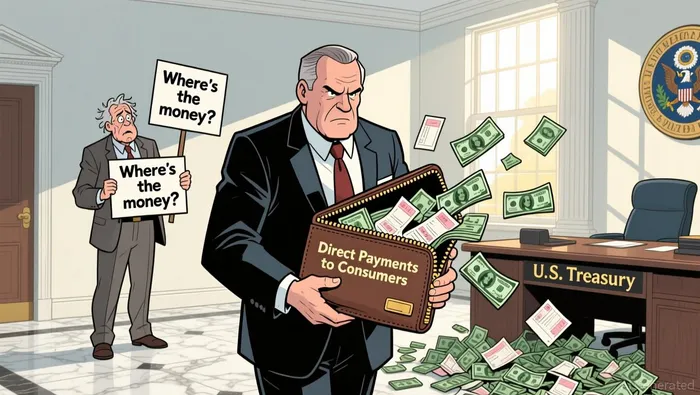
Treasury Secretary Scott Bessent announced on Nov. 23 that the Trump administration is preparing a plan to reduce U.S. health-care costs, with details expected this week. The move comes amid a political standoff over the expiration of enhanced Affordable Care Act (ACA) subsidies at year-end, which could trigger premium hikes for millions of Americans. "We will see an announcement this coming week on that," Bessent said on NBC's Meet the Press, reiterating the administration's stance against extending the subsidies and favoring direct payments to consumers.
President Trump has consistently opposed congressional efforts to prolong the ACA subsidies, which Democrats argue are critical for affordability. In a Truth Social post, Trump asserted that "the only healthcare I will support or approve is sending the money directly back to the people," framing his proposal as a way to bypass insurance companies. However, analysts caution that such a shift could destabilize ACA marketplaces, as it's unclear how consumers would access coverage without subsidies. Senate Republicans, meanwhile, face pressure to balance Trump's hardline position with public concerns over rising health-care costs according to reports.
Bessent also addressed broader economic risks, stating the U.S. is not at risk of a 2026 recession despite challenges in sectors like housing and interest-rate-sensitive industries. He credited Trump's tax cuts and trade policies for fostering "noninflationary growth" and noted that newly enacted GOP legislation, including permanent tax cuts and expanded deductions, will bolster consumer spending. The administration's focus on affordability extends to health care, where Bessent hinted at policy changes to curb costs without specifying measures.
 The health-care sector has shown mixed performance amid these developments. Exact Sciences surged after Abbott Laboratories agreed to acquire it for $21 billion, while Roche's shares rose on positive trial results for its breast-cancer drug. Conversely, vaccine-maker Moderna revealed a $1.5 billion loan to strengthen its balance sheet, signaling financial pressures despite its long-term profitability goals. Meanwhile, PDS Health reported a $1 million fundraising success to expand special-care dentistry for patients with disabilities, highlighting efforts to address access disparities.
The political and economic landscape remains fraught. Trump's demand to avoid "wasting time" on ACA subsidies clashes with Democratic gains in recent elections, where affordability was a key issue. With the White House eyeing a Jan. 30 deadline to finalize a health-care plan, lawmakers face a tight window to resolve the impasse. As Bessent emphasized, the administration's approach hinges on redirecting federal aid to consumers, a strategy that could reshape the health-care landscape-but one that remains untested in practice.

Stay ahead of the market.
Get curated U.S. market news, insights and key dates delivered to your inbox.






Comments
No comments yet