
Trump’s Detroit Rally Sparks Debate Over Tariffs and Auto Industry Shifts
The surge in attention around Detroit this week stems from a high-stakes political rally by President Donald Trump, who used the occasion to double down on his economic policies—including tariffs on imported vehicles—that are reshaping the city’s automotive landscape. The April 29 event in Warren, Michigan, highlighted a critical tension between protectionist trade measures and the realities of a globalized auto industry, with implications for investors in companies like FordFORD--, General Motors, and Stellantis.
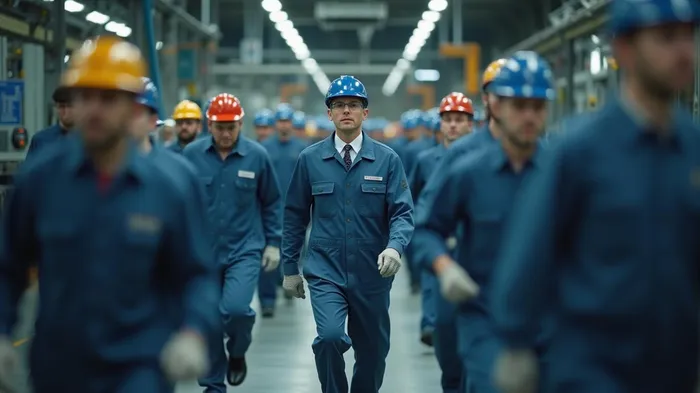
The Rally’s Ripple Effect
Trump’s celebration of his first 100 days in office centered on his “America First” agenda, with a focus on tariffs designed to protect domestic manufacturing jobs. “We’re going to rebuild this industry,” he declared, flanked by supporters at Macomb County Community College. Yet the policy’s real-world impact has been mixed.
While the White House announced a partial rollback of auto tariffs hours before the rally—offering rebates to automakers to ease supply-chain pressures—the move came too late for companies like Stellantis, which temporarily laid off 900 U.S. workers after halting production in Canada and Mexico. Michigan’s unemployment rate, now at 5.5%, underscores the human cost of these disruptions. “Tariffs were supposed to boost jobs, but they’re backfiring,” said Bernie Porn, a local pollster, noting that 46% of voters support Trump’s immigration policies but only 33% approve of his economic strategy.
The Auto Industry’s Crossroads
Detroit’s economy remains deeply tied to automakers, many of which now face a precarious balancing act. On one hand, tariffs have pressured companies to localize production, potentially boosting U.S. factory investments. On the other, global supply chains and rising consumer prices pose risks.
- Tariff-Driven Shifts: Treasury Secretary Scott Bessent emphasized the administration’s focus on “jobs of the future,” citing rebates for automakers that prioritize domestic parts. However, critics argue this approach ignores the complexity of modern supply chains.
- Consumer Costs: While tariffs aim to protect U.S. workers, they also raise vehicle prices. A recent study by the Peterson Institute found that tariffs on imported cars could add $2,000 to the average vehicle’s sticker price, potentially reducing demand.
Investors, meanwhile, are split. Bulls point to long-term benefits of reshoring production, while bears highlight near-term pain. Ford’s stock, for example, has fluctuated sharply over the past year amid these policy shifts.
Political Risks and Opportunities
The rally also underscored Detroit’s role as a political battleground. With Republicans targeting 2026 Senate and gubernatorial races, Trump’s message of economic populism is aimed at winning over blue-collar voters. Yet his rhetoric on immigration—such as touting “mass deportations”—risks alienating moderate voters.
“Trump’s strategy is to frame Michigan as a test case for his economic nationalism,” said Max Stier of the Partnership for Public Service. “But the state’s high unemployment and reliance on global trade make that a tough sell.”
Conclusion: Navigating the Crosscurrents
Investors in Detroit-linked industries must weigh two competing forces: the potential long-term upside of reshored manufacturing and the short-term pain of trade friction. Key data points—such as Michigan’s unemployment rate, auto tariffs’ impact on production costs, and consumer demand trends—will determine the sector’s trajectory.
For now, the safest bet may be diversified exposure to automakers with both U.S. and international operations, such as Toyota or BMW, which can mitigate tariff-related risks. As the old Detroit adage goes: “You can’t stop progress, but you can bet on adaptability.”
The coming months will test whether Trump’s policies can bridge the gap between political rhetoric and economic reality—a challenge as old as Detroit itself.

Stay ahead of the market.
Get curated U.S. market news, insights and key dates delivered to your inbox.


AInvest
PRO
AInvest
PRO



Comments
No comments yet