
Trump Demands Japan Double Rice Imports Amid Trade Tensions
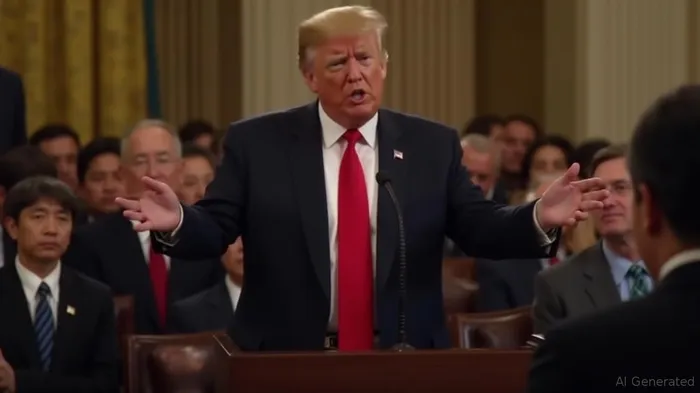
Donald Trump has been pushing for Japan to increase its imports of U.S. rice as part of a broader effort to reduce the trade deficit between the two countries. This demand comes as Prime Minister Shigeru Ishiba faces significant political challenges ahead of upcoming elections that could determine his premiership. Japan is among more than 20 countries that have received letters from Trump warning of "reciprocal" tariffs starting August 1 if a trade agreement with the U.S. is not reached. The proposed 25 percent tariff on Japanese goods is separate from existing tariffs on cars, steel, and aluminum.
Trump's primary goal is to encourage Japanese firms to manufacture more products in the U.S. and to increase Tokyo's purchases of U.S. goods, including gas, oil, cars, and rice. However, rice constitutes only a small fraction of the overall trade between the two nations, accounting for just 0.37 percent of U.S. exports to Japan. Even doubling this amount would have a negligible impact on the overall trade deficit, according to analysts. The Trump administration appears more focused on the optics of striking deals rather than on meaningfully narrowing the trade deficit.
For Japan, doubling rice imports could be economically manageable, but the political and cultural implications are significant. Rice holds a cherished place in Japanese national culture, and relying on imports would be seen by many as a national humiliation. The country currently produces almost all the rice it consumes, and the idea of increasing imports is met with resistance due to concerns about food security and consumer preferences. Many Japanese consumers view foreign, long-grain rice as inferior to the short-grain rice they are accustomed to, citing issues with taste and stickiness.
The political landscape in Japan is further complicated by the recent skyrocketing of rice prices, which have roughly doubled in the past year. Factors contributing to this include a very hot summer, panic-buying after warnings of an imminent "megaquake," alleged hoarding by traders, and a surge in rice-hungry tourists. The government has been under fire for its handling of the situation and has had to tap into emergency stockpiles to ease the pain. Despite these measures, imports remain a small fraction of domestic production.
Prime Minister Ishiba is walking a fine line, balancing the need to address the trade deficit with the political risks of making concessions on rice imports. The ruling coalition's loss of its majority in the lower house elections and the upcoming upper house elections add to the pressure. Ishiba's government has stated that it has no intention of sacrificing agriculture in future negotiations, but this stance may change post-election. The political and cultural sensitivities surrounding rice imports make it a contentious issue, and any decision will have significant implications for Ishiba's premiership and the broader trade relationship between the U.S. and Japan.

Stay ahead of the market.
Get curated U.S. market news, insights and key dates delivered to your inbox.


AInvest
PRO
AInvest
PRO



Comments
No comments yet