
Trump Demands 1%–2% Interest Rates, Calls Fed Chair Powell Costly
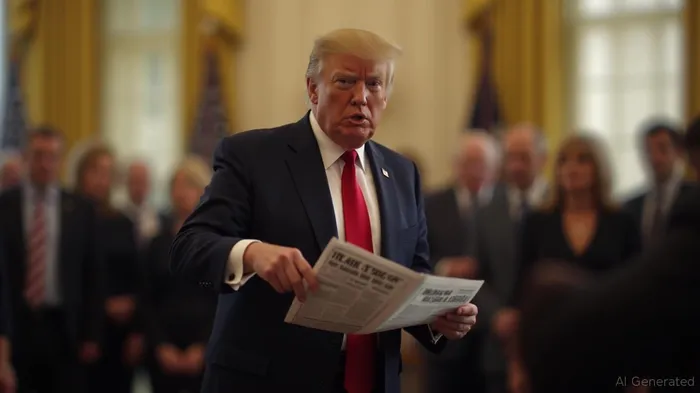
U.S. President Donald Trump has intensified his criticism of Federal Reserve Chair Jerome Powell, demanding lower interest rates. Trump accused Powell of costing the country trillions by refusing to lower interest rates, stating that a cut to 1%–2% would “save the United States of America up to $1 trillion dollars per year.” Trump's comments came after the Federal Reserve decided to keep interest rates steady between 4.25% and 4.50%, placing the United States 35th globally in central bank rate rankings.
Rep. Thomas Massie (R-Ky.) echoed concerns about the Federal Reserve's influence, arguing that unchecked congressional spending has effectively diminished the Fed's independence. Massie introduced H.R. 1846, the Federal Reserve Board Abolition Act, which aims to dismantle the central bank and transfer its assets to the Treasury. Massie and his supporters believe that the Fed's manipulation of interest rates distorts economic signals, fosters inflation, and centralizes financial power at the expense of the public.
Critics argue that the Fed is increasingly unable to reconcile its monetary goals with fiscal realities, as rising debt service costs tied to high rates underscore this tension. From a classic Austrian economics perspective, the idea of a central authority manipulating interest rates is incompatible with a truly free and voluntary market. Forcing rates lower than what real savings would dictate breaks the natural connection between savers and investors, leading to boom-bust economic cycles.
The ongoing debate highlights the system's reliance on monetary manipulation rather than allowing markets to function naturally. Trump advocates for cheaper loans, while Massie seeks to eliminate central bank interference, both pointing to the consequences of top-down monetary control. This tug-of-war between politicians seeking easy money and a central bank hesitant to increase monetary supply reflects the inherent chaos of a system built on paper promises and monopoly control.
Many economists, including Thomas SowellLHSW--, argue that the solution is not a better version of the current system but rather the complete dismantling of the Federal Reserve. This perspective suggests that without the Fed's ability to create new money and buy debt, lawmakers would face the economic realities of their spending decisions, potentially leading to more responsible fiscal policies.

Comprender con rapidez la historia y el contexto de diversas monedas de renombre
Latest Articles
Stay ahead of the market.
Get curated U.S. market news, insights and key dates delivered to your inbox.


AInvest
PRO
AInvest
PRO



Comments
No comments yet