
Trump Delays U.S.-China Summit as Iran War Intensifies
 Aime Summary
- U.S. President Donald Trump has criticized NATO, China, and American media for their handling of the war in the Middle East and emphasized the need for global cooperation to secure the Strait of Hormuz.
- A de facto closure of the Strait of Hormuz due to the U.S.-Iran war could disrupt supply chains across multiple sectors, including metals, agriculture, and pharmaceuticals, leading to increased input costs and inflation.
- National Counterterrorism Center Director Joe Kent has resigned, citing opposition to the war in Iran and accusing the administration of being misled by Israeli officials and media.
Trump has accused NATO allies, including the UK, Japan, and Australia, of reluctance in supporting the U.S. military campaign, claiming the conflict is viewed as unjustified by some nations. He has also criticized Iran for using AI to manipulate media narratives and has supported FCC Chair Brendan Carr's threats to revoke licenses of media outlets spreading disinformation.
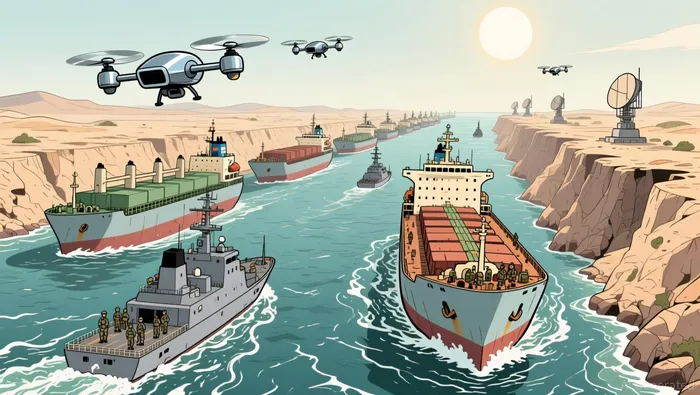
The Strait of Hormuz is a crucial global trade route through which approximately one-fifth of the world's oil is shipped. Its closure could drive oil prices up and lead to a global recession. Rising aluminum prices could impact automotive, aerospace, and construction manufacturing in the U.S. and Europe according to analysis.
Joe Kent, a long-time Trump supporter and decorated military and CIA veteran, resigned from his position. He stated that the Trump administration's war in Iran was unjustified and that Iran posed no imminent threat to the United States. Kent compared the situation to the Iraq war and warned against repeating past mistakes.
Trump's request to delay the planned U.S.-China summit impacts diplomatic momentum and trade negotiations. Analysts suggest that the Iran conflict and U.S. tariff policy complicate the summit while creating opportunities for more trade actions.
U.S. and Chinese economic officials held constructive talks in Paris that addressed trade mechanisms and potential areas of agreement in agriculture and critical minerals. The discussions were described as 'remarkably stable' and aimed to set a foundation for Trump's visit to Beijing.
What Is the Status of the U.S.-China Summit?
President Donald Trump requested to delay the planned summit with Chinese President Xi Jinping. The delay has cast a shadow over U.S.-China relations and complicates efforts to retool bilateral trade negotiations. The U.S. and China have been engaged in high-stakes trade talks to lay the groundwork for the summit, which was originally slated for the end of March.
How Is the Strait of Hormuz Closure Affecting the Global Economy?
A de facto closure of the Strait of Hormuz could disrupt supply chains across multiple sectors, including metals, agriculture, automotive, and pharmaceuticals. Rising aluminum prices could impact automotive, aerospace, and construction manufacturing in the U.S. and Europe. Fertilizer shipments through the strait account for about one-third of global trade, and disruptions could raise costs during planting seasons, worsening food inflation.
What Are the Implications of Joe Kent’s Resignation?
Joe Kent's resignation marks a rare public criticism of the administration's Iran policy and highlights internal divisions regarding U.S. foreign interventions. Kent, a former U.S. Army Ranger and CIA paramilitary officer, cited his military experience and the loss of his wife in Syria as reasons for his decision. He accused high-ranking Israeli officials and American media of misleading the Trump administration with a misinformation campaign similar to the tactics used to justify the Iraq War.

Combina la sabiduría tradicional en el comercio con las perspectivas de vanguardia relacionadas con las criptomonedas.
Latest Articles
Stay ahead of the market.
Get curated U.S. market news, insights and key dates delivered to your inbox.


AInvest
PRO
AInvest
PRO



Comments
No comments yet