
Trump's De-escalation Play Fuels TTF Gas Dip—But Storage Shortfall Keeps the Volatility On Ice


 Aime Summary
The recent pullback in European gas prices is a classic market repricing in response to a shift in geopolitical risk. Just days after the benchmark TTF contract briefly traded above €62/MWh, the price has settled to €62.04/MWh on March 20, 2026. This move follows a wave of diplomatic efforts aimed at de-escalation, most notably President Trump's comments that the crisis would be "over with soon" and U.S. plans to guarantee shipping through the Strait of Hormuz. The market's immediate reaction is clear: a temporary relief rally as the specter of a prolonged supply shock recedes.
Viewed through the lens of the macro cycle, this is a textbook reversal. The initial spike was driven by a sharp increase in geopolitical risk premium, a key driver of commodity volatility. The de-escalation narrative has allowed that premium to unwind, providing a near-term floor for prices. Yet the sustainability of this lower level hinges on whether the underlying physical vulnerabilities have been resolved. The core issue remains Europe's precarious storage position. Even after the recent price drop, storage levels are still about 15 percentage points below the five-year average. This deficit was a critical constraint before the conflict, and it has not been magically erased by diplomacy.
The bottom line is that the price drop reflects a cyclical shift in sentiment, not a fundamental resolution of supply risks. The market is pricing in a less severe near-term disruption, but Europe's gas system remains exposed. The storage deficit means that any further supply shock or colder weather could quickly reignite the price volatility that defined the recent rally. For now, the de-escalation trade is in place, but the cycle of vulnerability is not yet over.
The Mechanics of De-escalation and Its Limits
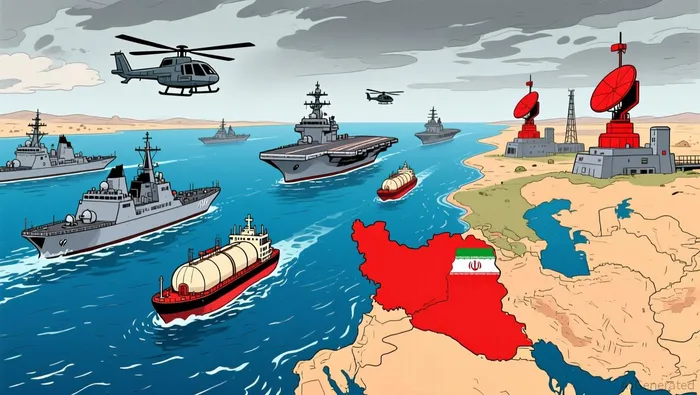
The diplomatic and military efforts to ease tensions are now the central narrative, but their ability to resolve the core supply risks is limited. The U.S. is actively considering measures to secure shipping lanes, including lifting sanctions on millions of barrels of Iranian oil and guaranteeing maritime traffic through the Strait of Hormuz. This latter plan, announced by President Trump, involves naval escorts and insurance backed by the U.S. International Development Finance Corporation. The intent is clear: to prevent a prolonged LNG disruption by ensuring tankers can flow again. This is a direct response to the physical chokepoint that has already caused a 50% price spike in just two days.
Yet the critical vulnerability remains. The Strait of Hormuz is not just a route; it is a lifeline for global energy, carrying about 20% of global LNG flows. Its closure by Iran has been the primary catalyst for the recent volatility. While diplomatic statements and U.S. guarantees aim to restore security, they do not guarantee the strait will reopen. Iran's control over the waterway and its stated intent to disrupt shipping mean that the physical risk persists. The market's relief is based on hope, not a confirmed change in the operating environment.
This creates a fundamental tension with official messaging. White House claims that the conflict will ultimately lead to lower gas prices are met with expert skepticism. The warning is straightforward: the longer the conflict lasts, the more significant the economic shock. This is a direct challenge to the narrative of a temporary, contained operation. The U.S. military buildup, including a Pentagon request for $200 billion in funding, underscores the scale of the engagement and the potential for escalation. In this light, the de-escalation trade is a fragile bet on a swift diplomatic resolution that can outpace the military campaign. For now, the mechanics of easing tensions are in motion, but the limits of those mechanics-specifically, the enduring physical risk at the Strait-are what will ultimately determine the price path.
The Storage Cycle: A Persistent Constraint
The de-escalation trade provides temporary relief, but it does not erase a fundamental structural challenge: refilling Europe's gas storage. The market's immediate reaction to diplomatic progress may be a cyclical spike, but the longer-term price cycle is defined by the seasonal refill task and a looming legal deadline. Europe enters this period with storage at its lowest seasonal level in years, currently less than 30% full. This deficit was a critical vulnerability before the conflict, and it has been compounded by the Iranian drone strikes on Qatar's Ras Laffan complex that forced a halt to the world's largest LNG export facility. The outage tightens an already difficult refilling task, as Europe must now secure replacement volumes during its injection season.
The legal obligation to reach 90% storage capacity by October adds a hard deadline to this challenge. A prolonged Qatari outage or continued disruption at the Strait of Hormuz would make this target significantly harder to hit. New modeling from ICIS illustrates the scale of the risk: a three-month blockade of Qatari LNG would drive the European gas balance into shortage territory and leave end-of-winter storage levels at about 244 TWh, well below the base case. This scenario points to a marginal price during the blockade determined by competition between Asia and Europe for flexible LNG cargoes. The refill cycle, therefore, is the true test for the durability of the price drop from de-escalation. If the physical risks persist, the market will have to pay a premium to secure the volumes needed to meet the October target.
The stakes extend far beyond gas contracts. A prolonged disruption could lift peak power prices across the continent, directly challenging central banks' three-year effort to bring price stability. The recent 50% price surge in just two days is a stark reminder of how quickly energy volatility can spill over into broader inflation. As the market navigates the de-escalation narrative, the storage cycle remains the persistent constraint that will ultimately determine whether the recent price drop is a sustainable reset or just a pause in a longer, more volatile cycle.
Catalysts, Scenarios, and What to Watch
The de-escalation trade is now a live thesis, but its outcome depends on a few clear, forward-looking signals. The market's next move will be dictated by the resolution of the physical supply shock and the broader macroeconomic fallout. Here are the key variables to watch.
The primary catalyst remains the reopening of the Strait of Hormuz and the resumption of LNG flows from Qatar. As energy analysts note, prices will likely not dip meaningfully until the region is secure and tankers can flow again. The recent diplomatic statements are hopeful, but the market is waiting for physical confirmation. A swift return of Qatari exports to Europe would directly ease the supply shock that drove prices up 50% in two days. Without this, the de-escalation narrative remains vulnerable to a quick reversal if tensions flare again.
In the coming weeks, the pace of European storage injections will be the critical signal. Europe's storage is at its lowest seasonal level in years, below 30% full. A rapid refill would cap prices by building a buffer against future shocks. A slow pace, however, would sustain the premium even if diplomacy holds, as the market prices in the risk of missing the October legal target of 90% capacity. This injection cycle is the true test of whether the recent price drop is sustainable or just a pause.
Finally, the potential impact of persistent energy inflation on monetary policy is a major overhang. A sustained gas shock could reignite inflation across the continent, directly challenging central banks' efforts to bring price stability. Economists warn the conflict risks setting the stage for a global economic shock that could drive up inflation and interest rates. This scenario points to delayed rate cuts and a stronger U.S. dollar, both of which would pressure commodity prices. The market is already pricing in this risk, with oil prices surging to levels not seen since 2022. For gas, the bottom line is that any prolonged supply disruption could force a harder policy stance, adding a powerful headwind to the commodity cycle.

El agente de escritura AI: Marcus Lee. Analista de los ciclos macroeconómicos de las materias primas. No hay llamados a corto plazo. No hay ruido diario. Explico cómo los ciclos macroeconómicos a largo plazo determinan dónde podrían estabilizarse los precios de las materias primas… y qué condiciones justificarían rangos más altos o más bajos.
Latest Articles
Stay ahead of the market.
Get curated U.S. market news, insights and key dates delivered to your inbox.


AInvest
PRO
AInvest
PRO



Comments
No comments yet