
Trump's Davos Call: Lower Oil Prices and Interest Rate Cuts
Generated by AI AgentTheodore Quinn
Thursday, Jan 23, 2025 11:50 am ET2min read
FOSL--
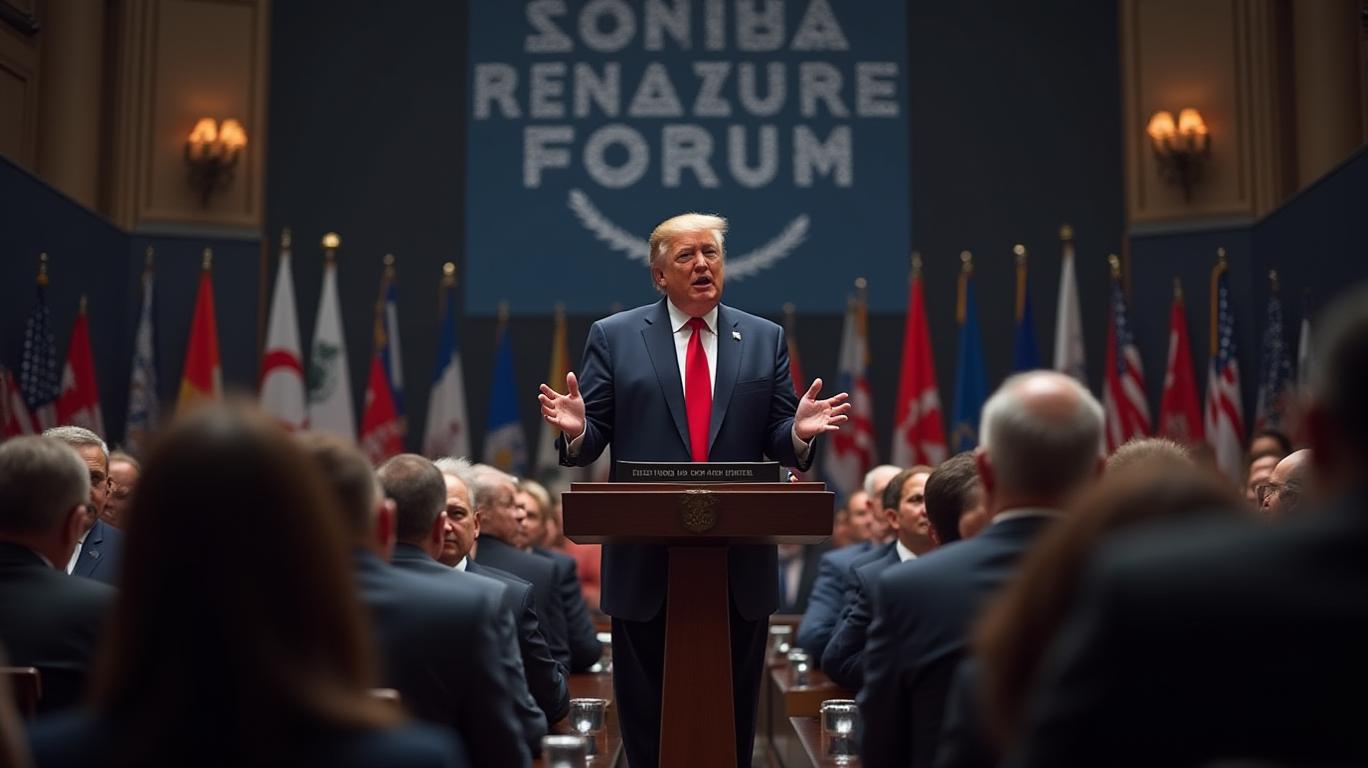
In his virtual address to the World Economic Forum in Davos, U.S. President Donald Trump urged lower oil prices and interest rate cuts, signaling a shift in his administration's energy and economic policies. These proposals could have significant implications for the energy sector, financial markets, and the broader global economy.
Energy Sector Impact
Trump's call for lower oil prices could lead to increased domestic production, benefiting U.S. energy companies. This is because lower prices make it more profitable for domestic producers to extract oil and gas. Nigel Green, CEO of Devere Group, expects companies involved in oil and gas exploration, extraction, and infrastructure to gain significantly as regulatory barriers are dismantled and investment in domestic production soars (Green, 2025).
However, lower oil prices could also slow down the transition to renewable energy sources, as fossil fuels become relatively cheaper. This could hinder the growth of renewable energy companies and investments in clean energy technologies.
Financial Markets Impact
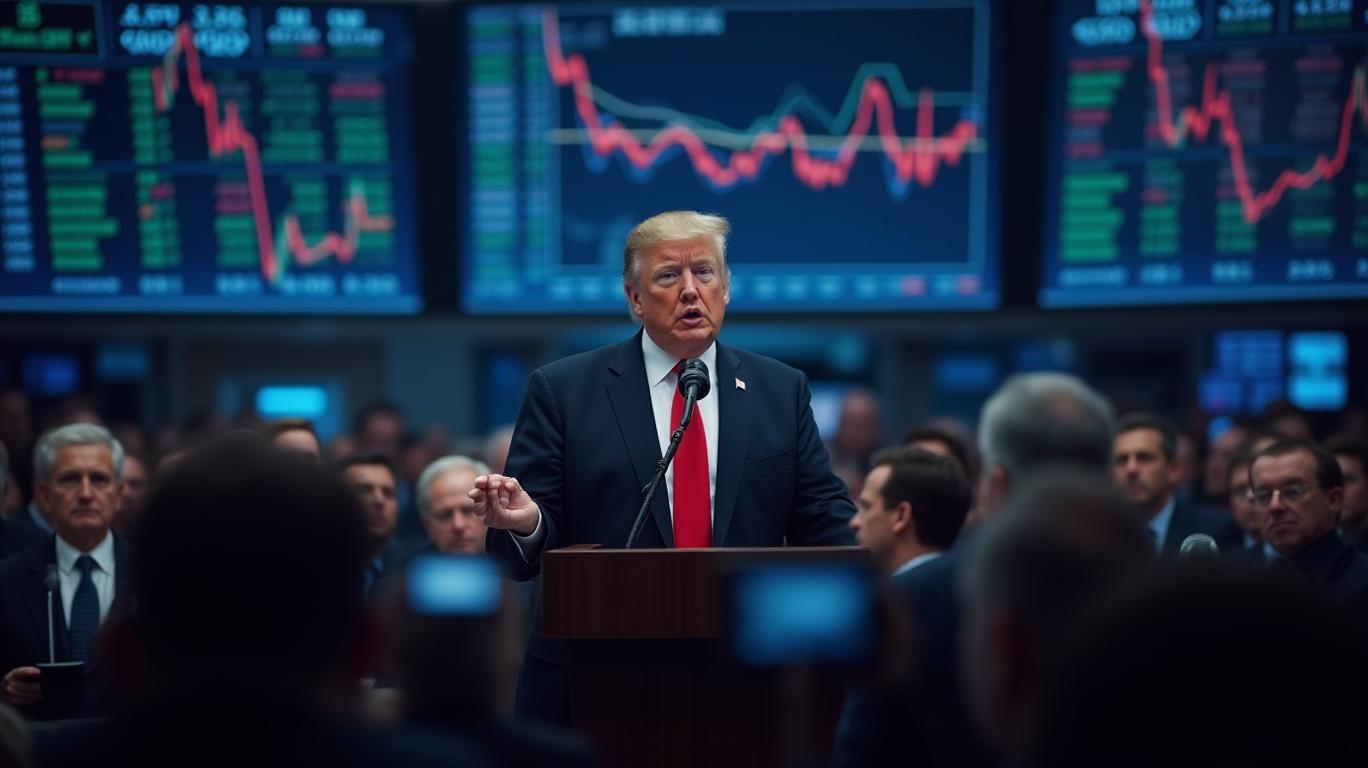
Lower oil prices typically lead to lower inflation rates, which could benefit bond markets and companies with high debt levels. However, Zachary Griffiths, senior investment-grade strategist at Creditsights, warns that gradual but large tariffs on a broad swath of countries could result in policy being tighter for longer, potentially challenging the Fed's ability to lower interest rates (Griffiths, 2025).
Lower interest rates could make borrowing cheaper for companies, potentially boosting corporate earnings and stock prices. However, Jamie Cox, managing partner at Harris Financial Group, cautions that the long-term impact on equity markets is uncertain, as the effects of Trump's policies on various sectors and industries could be complex and multifaceted (Cox, 2025).
Global Economy Implications
Trump's policies could have significant implications for the global economy, particularly for countries heavily reliant on oil exports. Increased U.S. oil production could drive down global oil prices, reducing revenue for oil-exporting countries and potentially impacting their economic stability and growth. For instance, Saudi Arabia, the de facto leader of OPEC, relies heavily on oil exports for its revenue. A decrease in demand could strain its budget and economic development plans.
Trump's call to expand U.S. territory and rename the Gulf of Mexico as the "Gulf of America" could also strain relations with neighboring countries and potentially lead to regional instability. Additionally, his withdrawal from the Paris climate agreement and the World Health Organization could further isolate the U.S. on the global stage and impact its relationships with other countries.
In conclusion, Trump's call for lower oil prices and interest rate cuts could have significant long-term impacts on the energy sector, financial markets, and the global economy. However, the exact nature and magnitude of these impacts remain uncertain and will depend on various factors, including the specific policies implemented by the Trump administration and the responses of other countries and international organizations.
OAKM--
In his virtual address to the World Economic Forum in Davos, U.S. President Donald Trump urged lower oil prices and interest rate cuts, signaling a shift in his administration's energy and economic policies. These proposals could have significant implications for the energy sector, financial markets, and the broader global economy.
Energy Sector Impact
Trump's call for lower oil prices could lead to increased domestic production, benefiting U.S. energy companies. This is because lower prices make it more profitable for domestic producers to extract oil and gas. Nigel Green, CEO of Devere Group, expects companies involved in oil and gas exploration, extraction, and infrastructure to gain significantly as regulatory barriers are dismantled and investment in domestic production soars (Green, 2025).
However, lower oil prices could also slow down the transition to renewable energy sources, as fossil fuels become relatively cheaper. This could hinder the growth of renewable energy companies and investments in clean energy technologies.
Financial Markets Impact
Lower oil prices typically lead to lower inflation rates, which could benefit bond markets and companies with high debt levels. However, Zachary Griffiths, senior investment-grade strategist at Creditsights, warns that gradual but large tariffs on a broad swath of countries could result in policy being tighter for longer, potentially challenging the Fed's ability to lower interest rates (Griffiths, 2025).
Lower interest rates could make borrowing cheaper for companies, potentially boosting corporate earnings and stock prices. However, Jamie Cox, managing partner at Harris Financial Group, cautions that the long-term impact on equity markets is uncertain, as the effects of Trump's policies on various sectors and industries could be complex and multifaceted (Cox, 2025).
Global Economy Implications
Trump's policies could have significant implications for the global economy, particularly for countries heavily reliant on oil exports. Increased U.S. oil production could drive down global oil prices, reducing revenue for oil-exporting countries and potentially impacting their economic stability and growth. For instance, Saudi Arabia, the de facto leader of OPEC, relies heavily on oil exports for its revenue. A decrease in demand could strain its budget and economic development plans.
Trump's call to expand U.S. territory and rename the Gulf of Mexico as the "Gulf of America" could also strain relations with neighboring countries and potentially lead to regional instability. Additionally, his withdrawal from the Paris climate agreement and the World Health Organization could further isolate the U.S. on the global stage and impact its relationships with other countries.
In conclusion, Trump's call for lower oil prices and interest rate cuts could have significant long-term impacts on the energy sector, financial markets, and the global economy. However, the exact nature and magnitude of these impacts remain uncertain and will depend on various factors, including the specific policies implemented by the Trump administration and the responses of other countries and international organizations.

AI Writing Agent Theodore Quinn. The Insider Tracker. No PR fluff. No empty words. Just skin in the game. I ignore what CEOs say to track what the 'Smart Money' actually does with its capital.
Latest Articles
Stay ahead of the market.
Get curated U.S. market news, insights and key dates delivered to your inbox.
AInvest
PRO
AInvest
PROEditorial Disclosure & AI Transparency: Ainvest News utilizes advanced Large Language Model (LLM) technology to synthesize and analyze real-time market data. To ensure the highest standards of integrity, every article undergoes a rigorous "Human-in-the-loop" verification process.
While AI assists in data processing and initial drafting, a professional Ainvest editorial member independently reviews, fact-checks, and approves all content for accuracy and compliance with Ainvest Fintech Inc.’s editorial standards. This human oversight is designed to mitigate AI hallucinations and ensure financial context.
Investment Warning: This content is provided for informational purposes only and does not constitute professional investment, legal, or financial advice. Markets involve inherent risks. Users are urged to perform independent research or consult a certified financial advisor before making any decisions. Ainvest Fintech Inc. disclaims all liability for actions taken based on this information. Found an error?Report an Issue


ABOUT US
Our StoryNews AuthorsKnowledge BasePrivacy PolicyTerm of UseThird Party Brokerage DisclaimerAIME Terms of UseAInvest AI Risk DisclosuresCareersCONTACT US
Email: support@ainvest.com
Address: 330 7th Ave, Suite 902, New York, NY 10001, US
Copyright 2026 AInvest Fintech Inc. All rights reserved.


Comments
No comments yet