
Trump Crypto Tax Bill Fails to Deliver Relief for Staking and Mining Income
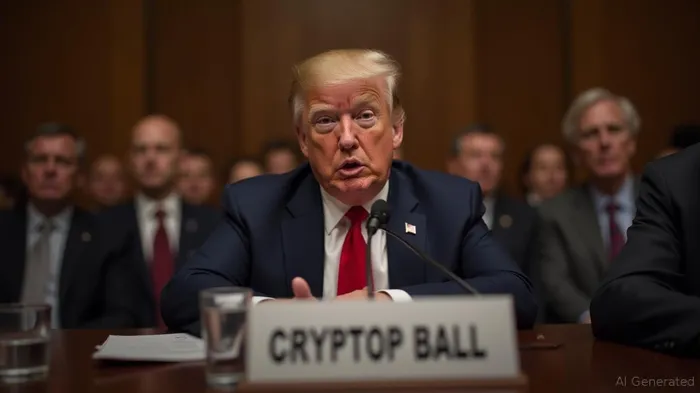
The Trump crypto tax bill, passed by Congress, has left cryptocurrency holders disappointed as it failed to deliver the expected tax relief for staking and mining income. The legislation, part of a broader package addressing government spending and preventing a fiscal crisis, includes broad tax cuts and raises the national debt ceiling. However, the proposed reforms to how staking and mining income is taxed were removed from the final version, leaving crypto earners to continue reporting rewards as income under existing IRS rules.
Earlier versions of the bill had proposed allowing taxpayers to defer taxes on staking and mining income until the crypto was sold or exchanged, similar to how stocks are treated under capital gains rules. Supporters argued that this alignment of crypto with traditional investments would be beneficial. However, these provisions were dropped during final negotiations, meaning that crypto rewards from network activities, such as staking and mining, remain taxable upon receipt.
Under current IRS rules, staking and mining rewards are taxed as ordinary income based on their market value when earned. Stakers help secure networks by locking crypto, while miners validate transactions using computing power. Since the Trump crypto tax bill didn’t change these rules, users still face immediate tax obligations even if they don’t sell their assets. This remains a challenge, especially during market downturns, and hopes for tax relief stay on hold for now.
The passage of the Trump crypto tax bill prompted larger economic changes, apart from the effects on crypto. The U.S. Treasury is expected to issue substantial amounts of new debt to replenish its cash reserves through the action of raising the debt ceiling. Some analysts suggest that this liquidity drain could impact financial markets. Arthur Hayes, co-founder of BitMEX, suggested that cryptocurrency could gain from this situation, with capital potentially flowing into BitcoinBTC-- and other digital assets as traditional assets become less appealing. Hayes speculated that Bitcoin could even climb back toward the $90,000 range. However, analysts do not all agree, and some expect short-term volatility as markets adjust to tighter liquidity and new economic signals.
Regulators are focusing more on digital assets, and this bill arrives amidst a backdrop of increased scrutiny. Earlier in 2025, the IRS’s DeFi broker rule, which increased reporting requirements for decentralized platforms, was repealed by the Trump administration. Despite the absence of legislation, stablecoin regulators should act now, and legislators are still discussing how to stabilize finances. Even though this tax bill excluded crypto-specific reforms, some lawmakers have indicated that crypto tax updates might appear in future legislation that ties into finance or digital asset policy.
Under current IRS rules, the Trump crypto tax bill has not made any changes, so users must still report all income received from staking, mining, and airdrops. To remain compliant, investors should document the date, amount, and fair market value of each reward at receipt, watch for updates on the status of crypto tax regulations, and be aware of how broader market liquidity may impact crypto prices. Compliance will be the name of the game until Congress passes actual reforms to tax it.
The Trump crypto tax bill brought broad tax cuts and raised the federal borrowing limit but left crypto users without any relief. Staking and mining rewards remain taxable as income when received, which is disappointing to many. Although lawmakers may not have time to reform crypto tax laws this session, future sessions may address the topic. Meanwhile, users should comply, keep track of their earnings carefully, and watch for updates.

Stay ahead of the market.
Get curated U.S. market news, insights and key dates delivered to your inbox.


AInvest
PRO
AInvest
PRO



Comments
No comments yet