
"Trump's Crypto Ambition: Can US Catch Up to EU's MiCA?"
The return of President Donald Trump to office has sparked a new era for cryptocurrencies in the US, with the country aiming to become a global leader in the industry. However, the EU is quietly implementing its own regulatory framework, Markets in Crypto-Assets Regulation (MiCA), which may give it a significant head start and long-term advantage.
Trump has outlined grand plans and made sweeping promises to transform the US into a crypto haven. At the World Economic Forum in Davos, he pledged to make the US the "world capital" of crypto, with a wave of pro-crypto policies, investments, and regulatory clarity set to follow. Crypto is expected to grow to $38.6 billion by 2030, and a fight to attract crypto market share is on the horizon.
Trump's cult of personality has given the US a spotlight as a crypto leader, drawing attention and hype from leading crypto entrepreneurs. However, there are doubts about whether Trump will successfully turn his pro-crypto rhetoric into action. Early indications suggest that key legislation to encourage innovation and the growth of the US crypto industry is underway, but a holistic framework is still lacking.
Trump has made several pro-crypto appointments, including naming Paul Atkins as Securities and Exchange Commission chair and appointing Commissioner Hester Peirce to lead the newly created SEC taskTASK-- force in establishing precise crypto regulation. He has also signed an executive order to create a "national digital asset stockpile" and is working on a regulatory framework for stablecoins. While these actions signal that crypto is a priority, more needs to be done to compete with the EU's MiCA.
The EU has developed a comprehensive regulatory framework, MiCA, which came into full force on Dec. 30, 2024. MiCA covers all crypto assets, including those previously not covered by traditional financial services legislation, and aims to provide businesses and consumers with clarity by supporting market integrity, financial stability, and transparency. It requires firms to apply for and receive a license to operate within the EU.
While some businesses have expressed concerns about the operational complexity and high costs of adapting to MiCA, the overall market sentiment remains positive. The crypto industry is in its relative infancy, and MiCA's regulations may drain startups from precious capital. However, evidence suggests that the effect of this will be limited to the riskiest startups and projects, and MiCA 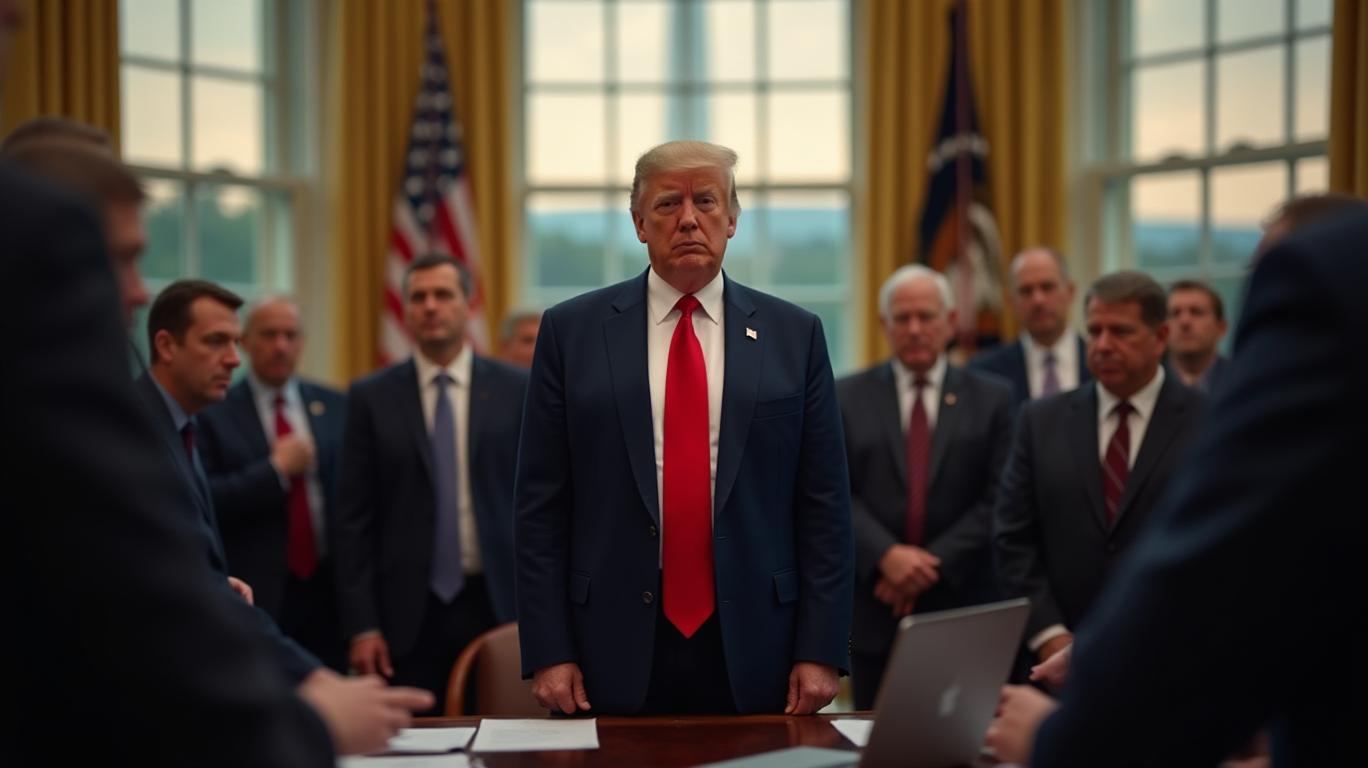

Stay ahead of the market.
Get curated U.S. market news, insights and key dates delivered to your inbox.




Comments
No comments yet