
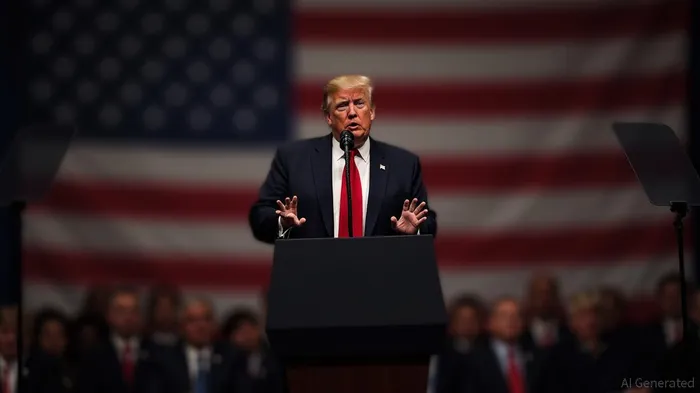
Trump criticizes health insurance companies
Trump criticizes health insurance companies
Trump’s Pressure on Health Insurers Sparks Debate Over Cost-Cutting Strategies
President Donald Trump has intensified scrutiny of health insurers, vowing to leverage executive authority to secure lower premiums amid rising public frustration over healthcare costs. The administration’s approach, which includes direct negotiations with insurers and regulatory measures, has drawn mixed reactions from policymakers, industry experts, and advocacy groups.
Trump’s strategy mirrors his earlier success in pressuring pharmaceutical companies to reduce drug prices under the “most favored nation” policy. In January 2026, he announced plans to convene insurers to demand price cuts, stating, “I’m going to see if they get their price down”. However, health policy analysts caution that insurers’ ability to significantly lower costs is constrained by structural factors. Experts like Ed Haislmaier of the Heritage Foundation argue that hospital and physician fees—accounting for 80% of U.S. healthcare spending differences compared to other nations— remain the primary cost driver. Sen. Rick Scott (R-FL), a former hospital CEO, echoed this sentiment, noting insurers are “dependent on what hospitals charge”.
The administration has also targeted Medicare Advantage plans, proposing restrictions on “chart reviews” that inflate payments by adding diagnoses to patient records. CMS Administrator Dr. Mehmet Oz framed the move as a way to “protect taxpayers from unnecessary spending”. However, industry groups warn that reduced reimbursements could lead to benefit cuts for 35 million seniors, though analysts like David Meyers of Brown University argue such cuts are rare and insurers remain profitable according to industry analysis.
Meanwhile, Trump’s broader efforts to reshape the Affordable Care Act (ACA) have created uncertainty. His proposal to redirect subsidies directly to consumers—framed as a way to “terminate the worst Healthcare anywhere in the World, ObamaCare”— has raised concerns about destabilizing ACA markets. Critics, including Sen. Elizabeth Warren (D-MA), dismiss the plan as a “complete fantasy,” while industry lobbyists emphasize the risks of eroding coverage for those with pre-existing conditions as noted by KFF analysis.
The administration’s actions reflect a broader political calculus: leveraging populist rhetoric to address affordability while navigating complex industry dynamics. As CMS finalizes key policies in early 2026, the long-term impact on premiums, insurer profitability, and consumer access remains uncertain. For now, the debate underscores the challenges of balancing cost containment with systemic healthcare reform.
Stay ahead of the market.
Get curated U.S. market news, insights and key dates delivered to your inbox.


AInvest
PRO
AInvest
PRO



Comments
No comments yet