
Trump's Criticism of Powell's Rate Cuts Sparks Market Uncertainty
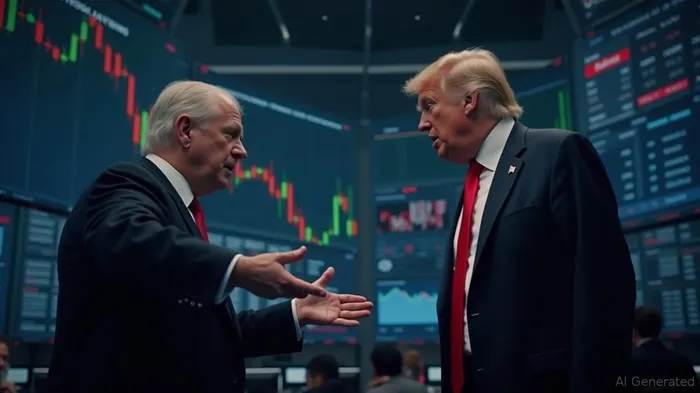
Donald Trump has reignited economic tensions by publicly criticizing Federal Reserve Chair Jerome Powell for delaying interest rate cuts, claiming it is costing the U.S. billions. This criticism comes as Trump prepares to announce new trade policies for at least seven countries, signaling a significant shift in America’s economic strategy. The upcoming “Liberation Day Tariffs” deadline on August 1st, 2025, is a key political maneuver aimed at forcing trade renegotiations or imposing tariffs on major global players, which could significantly alter market dynamics beyond traditional finance.
In contrast, Powell and the Federal Reserve are maintaining a cautious approach, resisting premature rate cuts due to concerns about inflation and the lingering effects of previous monetary policy tightening. This conflict between Trump’s political motivations and the Fed’s institutional constraints is creating uncertainty not only in traditional markets but also in the crypto sphere. The collision of these two powerful forces in U.S. economic policy is bound to have ripple effects across various financial sectors.
The tensions between the White House and the Federal Reserve often lead to market volatility, and crypto markets are no exception. Trump’s push for rapid rate cuts and global trade disruptions, coupled with Powell’s resistance, could result in short-term risk-off behavior, especially in altcoins. Sudden corrections across BitcoinBTC-- and EthereumETH-- are possible if macro sentiment turns sour, and a stronger dollar in the interim could put pressure on risk assets. However, the long-term outlook for crypto might be more favorable.
Despite the short-term turbulence, the underlying macro shift could benefit crypto in several ways. If Trump forces the Fed to slash rates, the U.S. dollar could weaken, which has historically been bullish for Bitcoin and other digital stores of value. Trade tensions and international payment disruptions might push businesses toward decentralized finance and blockchain-based settlement tools. Political infighting could slow down harsh crypto regulations, giving the industry more room to expand in the U.S. Additionally, Bitcoin often shines as a hedge during times of institutional uncertainty, especially when faith in traditional institutions like the Fed erodes.
With August 1st set as the key deadline for Trump’s trade offensive, the coming weeks could define whether crypto breaks out or consolidates. If Trump’s announcements bring market optimism and the Fed caves to pressure, Bitcoin could rally. However, if tensions escalate with no resolution, expect more sideways movement or even corrections in both equities and crypto. The ongoing economic power struggle between Trump and Powell has significant implications for the future of cryptocurrencies, particularly Bitcoin. While some analysts suggest that a rally towards $80,000 is possible if the Federal Reserve caves to political pressure, the situation is complex due to Trump's fluctuating tariff policies and the resulting market volatility.
The Republican tax and spending bill, recently signed by Trump, along with the impending tariff deadline, has created an environment ripe for market volatility. This uncertainty has made it difficult for markets to decipher Trump's economic policies, particularly his stance on tariffs, cryptocurrencies, and international relations. The market's inability to predict Trump's next move has contributed to a sense of unease, with some analysts warning of a potential selloff. Despite these challenges, the U.S. economy remains vast and resilient, and some argue that even Trump's aggressive policies may not be enough to bring the economy to its knees. The power struggle between Trump and Powell has broader implications for the global economy, raising concerns about the future of the U.S. economy and its impact on global markets.

Stay ahead of the market.
Get curated U.S. market news, insights and key dates delivered to your inbox.


AInvest
PRO
AInvest
PRO



Comments
No comments yet