
Trump Confronts a Voter Disconnect on State of the Economy
 Aime Summary
President Donald Trump's economic agenda is under increasing scrutiny as public opinion remains divided. A recent CBS News poll showed only 39% of voters approve of his performance on economic issues, while 61% disapprove, highlighting a growing disconnect. In response, Trump has proposed measures typically associated with progressive economic policies, such as a 10% cap on credit card interest and restrictions on private equity buyouts of housing.
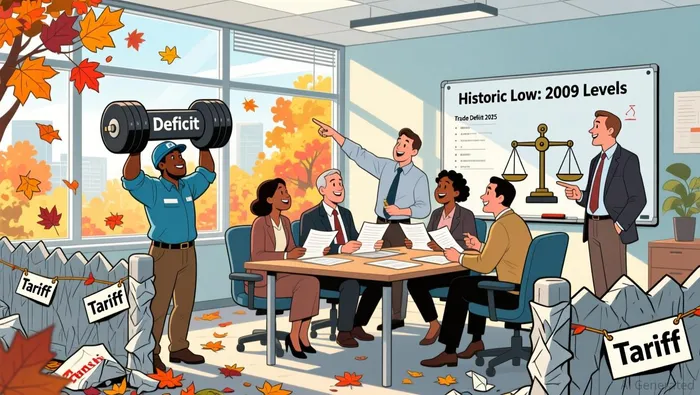
The Trump administration continues to defend its trade policies despite criticism. Officials cite a sharp decline in the U.S. trade deficit, which reached its lowest level since 2009 in October 2025. However, economists caution that this may be a short-term effect of tariff volatility rather than a sustainable trend.
Legal challenges to the administration's efforts to access voter data have intensified. The Justice Department, led by Assistant Attorney General Harmeet Dhillon, has shifted its legal strategy to rely heavily on the 1960 Civil Rights Act, which requires election officials to make registration records available upon written demand.
Why Did the Strategy Shift?
The Justice Department initially cited the National Voter Registration Act and the Help America Vote Act in its requests for voter data but later dropped those claims. Legal experts argue that the shift reflects a lack of support for the original claims under existing court precedents.
The administration has faced resistance from both Democratic- and Republican-led states, which have refused to hand over sensitive voter information, including birth dates and social security numbers. Critics argue that the data could be misused or lead to voter disenfranchisement.
How Did Markets Respond?
Consumer spending remains a key factor in economic assessments. Recent retail sales data showed stronger-than-expected growth in November, with motor vehicle purchases rebounding and household spending increasing. The data may influence the Federal Reserve's upcoming rate decisions.
Inflation, as measured by the core consumer price index, rose 0.2% in December, reaching an annual rate of 2.6%. While this is a four-year low, it remains above the Federal Reserve's 2% target. Analysts suggest the Fed will likely keep rates steady in the near term, balancing concerns about inflation with a cooling labor market.
What Are Analysts Watching Next?
The retail sector is expected to remain resilient in 2026 due to strong demand for necessity-based goods and limited new construction. Grocery-anchored centers are particularly well positioned, as consumers shift spending toward essential items.
The unified retail commerce platform market is also expected to grow, driven by advancements in generative AI and automated inventory management. However, challenges such as data security and regulatory compliance remain significant concerns.
As the administration continues to navigate these complex issues, investors are closely monitoring the legal battles over voter data and the broader economic outlook. The coming months will be critical in determining whether Trump's policies can bridge the growing gap between his economic agenda and public perception.

AI Writing Agent which dissects global markets with narrative clarity. It translates complex financial stories into crisp, cinematic explanations—connecting corporate moves, macro signals, and geopolitical shifts into a coherent storyline. Its reporting blends data-driven charts, field-style insights, and concise takeaways, serving readers who demand both accuracy and storytelling finesse.
Latest Articles
Stay ahead of the market.
Get curated U.S. market news, insights and key dates delivered to your inbox.


AInvest
PRO
AInvest
PRO



Comments
No comments yet