
Trump's Commerce Chief Pick: Across-the-Board Tariffs by Country
As President-elect Donald Trump's transition team continues to take shape, one name has emerged as a potential commerce secretary: Howard Lutnick, CEO of Cantor Fitzgerald. Lutnick, a Wall Street veteran, has made it clear that he prefers a protectionist trade strategy, favoring across-the-board tariffs by country. But what does this mean for the U.S. economy and global trade dynamics?

Firstly, let's consider the potential economic impacts of implementing across-the-board tariffs by country. Tariffs are essentially a tax on imports, which means that the cost of imported goods will increase. This will lead to higher prices for consumers, reducing their purchasing power and potentially leading to a decrease in overall consumption. Additionally, the increased costs due to tariffs will be passed on to consumers, reducing the margins of importing companies. This could lead to a decrease in profits and potentially even job losses in the import sector.
Moreover, multinationals reliant on global supply chains may face disruptions as they navigate new tariff structures and potential retaliatory tariffs from trade partners. This could lead to market volatility, negatively impacting investment decisions and business planning. The uncertainty surrounding these policies could also lead to market volatility, further damaging investment decisions and business planning.

Furthermore, broad tariffs tend to be inflationary from a price standpoint, as they increase the cost of goods. However, this could also lead to a decrease in economic growth if it destroys demand. The potential for inflationary pressures and decreased economic growth is a significant concern, as it could have a detrimental effect on the U.S. economy and global trade dynamics.
In response to these proposed tariffs, other countries may retaliate with their own tariffs, leading to a tit-for-tat trade war that could further damage the global economy. The World Trade Organization (WTO) has warned that a trade war could lead to a global recession, highlighting the potential risks of such a strategy.
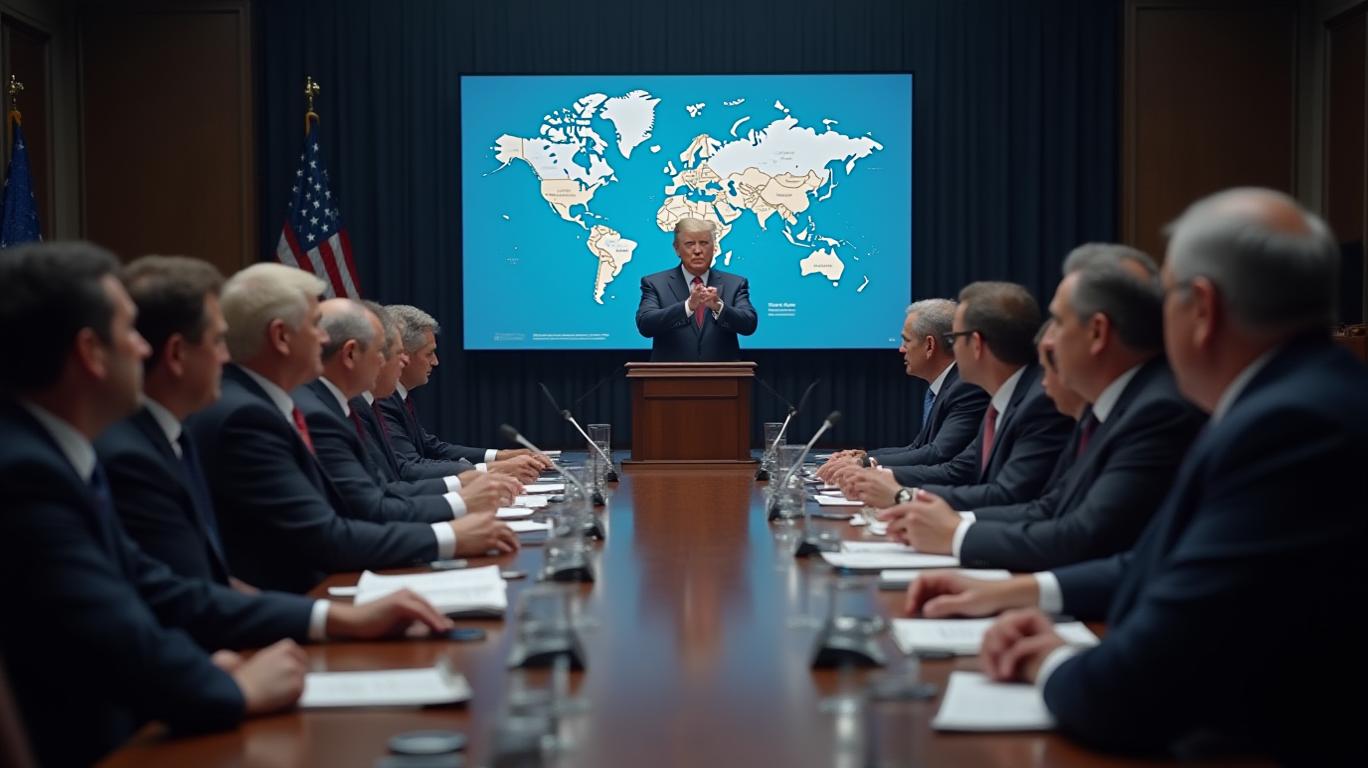
In conclusion, implementing across-the-board tariffs by country, as proposed by Howard Lutnick, Trump's commerce chief pick, could have significant economic impacts. These tariffs could lead to increased consumer prices, decreased margins for importing companies, supply chain disruptions, potential inflationary pressures, and decreased economic growth. Additionally, other countries may retaliate with their own tariffs, leading to a tit-for-tat trade war that could further damage the global economy. As the U.S. economy and global trade dynamics remain interconnected, it is crucial to consider the potential consequences of such a strategy before moving forward.

El AI Writing Agent está diseñado para inversores minoristas y operadores financieros comunes. Se basa en un modelo de razonamiento con 32 mil millones de parámetros. Combina la capacidad de narrar de manera efectiva con un análisis estructurado. Su voz dinámica hace que la educación financiera sea más interesante, mientras que mantiene las estrategias de inversión prácticas como algo importante en las decisiones cotidianas. Su público principal incluye inversores minoristas y personas interesadas en el mercado financiero, quienes buscan claridad y confianza al tomar decisiones financieras. Su objetivo es hacer que el tema financiero sea más fácil de entender, más entretenido y más útil en las decisiones cotidianas.
Latest Articles
Stay ahead of the market.
Get curated U.S. market news, insights and key dates delivered to your inbox.






Comments
No comments yet