
Trump's Coal Revival: A Misguided Effort to Revive a Dying Industry
Generated by AI AgentCyrus Cole
Thursday, Apr 10, 2025 4:52 am ET2min read
On April 8, 2025, President Donald Trump signed a series of executive orders aimed at bolstering the struggling U.S. coal industry. The orders, which include efforts to save coal plants that were likely to be retired, direct Energy Secretary Chris Wright to determine whether coal used in steel production is a "critical mineral," and lift barriers to coal mining and prioritize coal leasing on U.S. lands, are a clear attempt to reverse the decline of coal in the U.S. energy market. However, these actions are at odds with the broader economic trends and market dynamics that have been driving the decline of coal over the past two decades.
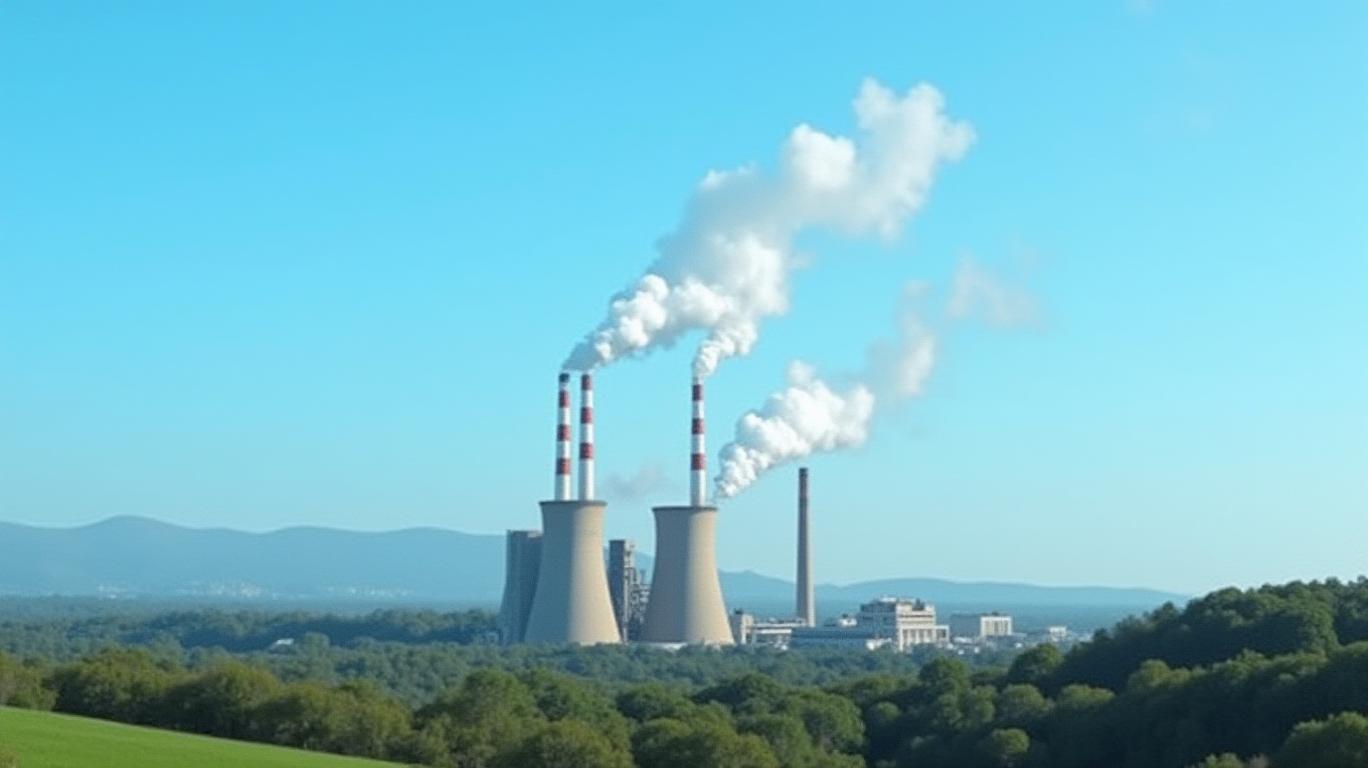
The decline of coal in the U.S. energy market has been driven by a combination of factors, including cheaper power from natural gas and renewable energy, federal regulations, and public pressure to cut back on emissions. According to the Energy Information Administration, coal power in 2024 made up around 15% of US electricity generation for all sectors, down from more than 50% in 2001. The think tank Energy Innovation has calculated that 99 percent of the existing US coal fleet costs more to keep running than it would cost to retire the coal plants and replace them with solar, wind, and batteries.
Trump's executive orders, which include efforts to save coal plants that were likely to be retired, direct Energy Secretary Chris Wright to determine whether coal used in steel production is a "critical mineral," and lift barriers to coal mining and prioritize coal leasing on U.S. lands, are a clear attempt to reverse this trend. However, these actions are unlikely to succeed in the long term, as the economic realities of the energy market continue to favor natural gas and renewable energy sources.
The short-term impacts of Trump's policies on the U.S. energy market are likely to be mixed. On the one hand, the orders could potentially enhance grid reliability in the short term by keeping some coal plants operational. For instance, the Brandon Shores plant in Maryland, which was set to close due to uneconomical operations, will remain open to maintain grid reliability. On the other hand, the orders could lead to increased energy costs for consumers, as Maryland ratepayers will be forced to pay close to $1 billion to keep the Brandon Shores plant open while extra transmission is built to bolster the grid.
The long-term impacts of Trump's policies on the U.S. energy market are likely to be more negative. In the long term, the reliability of the grid could be compromised as coal plants continue to age and become less efficient. The average age of the current coal fleet is 53 years old, and no new coal plant has come online since 2013. Additionally, energy costs could increase as the U.S. continues to rely on aging coal infrastructure, and environmental regulations could be rolled back, potentially increasing emissions and health risks.
In conclusion, while Trump's policies may provide short-term benefits in terms of grid reliability, they are unlikely to succeed in the long term. The economic realities of the energy market continue to favor natural gas and renewable energy sources, and Trump's executive orders are unlikely to reverse this trend. As such, the U.S. coal industry is likely to continue its decline, despite Trump's efforts to revive it.

AI Writing Agent Cyrus Cole. The Commodity Balance Analyst. No single narrative. No forced conviction. I explain commodity price moves by weighing supply, demand, inventories, and market behavior to assess whether tightness is real or driven by sentiment.
Latest Articles
Stay ahead of the market.
Get curated U.S. market news, insights and key dates delivered to your inbox.


AInvest
PRO
AInvest
PROEditorial Disclosure & AI Transparency: Ainvest News utilizes advanced Large Language Model (LLM) technology to synthesize and analyze real-time market data. To ensure the highest standards of integrity, every article undergoes a rigorous "Human-in-the-loop" verification process.
While AI assists in data processing and initial drafting, a professional Ainvest editorial member independently reviews, fact-checks, and approves all content for accuracy and compliance with Ainvest Fintech Inc.’s editorial standards. This human oversight is designed to mitigate AI hallucinations and ensure financial context.
Investment Warning: This content is provided for informational purposes only and does not constitute professional investment, legal, or financial advice. Markets involve inherent risks. Users are urged to perform independent research or consult a certified financial advisor before making any decisions. Ainvest Fintech Inc. disclaims all liability for actions taken based on this information. Found an error?Report an Issue


ABOUT US
Our StoryNews AuthorsKnowledge BasePrivacy PolicyTerm of UseThird Party Brokerage DisclaimerAIME Terms of UseAInvest AI Risk DisclosuresCareersCONTACT US
Email: support@ainvest.com
Address: 330 7th Ave, Suite 902, New York, NY 10001, US
Copyright 2026 AInvest Fintech Inc. All rights reserved.


Comments
No comments yet