
Trump's Ceasefire Announcement Boosts Bitcoin 4%
U.S. President Donald Trump's recent announcement regarding a call for peace in the Middle East has sparked a wave of optimism across various sectors. Trump declared that Israel and Iran have agreed to a "complete and total" ceasefire, which is set to take effect within a few hours. This development comes after almost two weeks of intense fighting between the two nations. The ceasefire agreement was brokered by Trump and his team, who worked diligently to bring an end to the conflict. The phased 24-hour ceasefire, starting from Tuesday midnight, is expected to put an end to what Trump referred to as the “12 Day War.” Iran has agreed to stop its military actions as part of the ceasefire agreement.
Trump's announcement has been met with a mix of reactions. Some analysts believe that this ceasefire could be a significant step towards long-term peace in the region. However, others remain skeptical, citing the complex nature of the conflict and the historical tensions between Israel and Iran. Trump has been vocal about his stance on the situation, stating that Iran, which he referred to as the "bully of the Middle East," must now make peace. He warned that future attacks would be far greater and easier if Iran does not comply with the ceasefire agreement.
The ceasefire announcement has also had an impact on global oil prices, which had surged following attacks on Iranian nuclear facilities. Trump warned against playing into the "enemy's hands" as prices rose, emphasizing the need to keep oil prices down. This move is seen as an effort to stabilize the global economy, which has been affected by the recent surge in oil prices.
Trump's involvement in the Middle East peace initiative has been a significant development in his presidency. He has asserted that both Israel and Iran approached him seeking peace "almost simultaneously," highlighting his role as a mediator in the conflict. This declaration followed his announcement of a U.S.-proposed peace deal, which has been met with both praise and criticism from various quarters.
The ceasefire agreement is a significant step towards peace in the Middle East, but it remains to be seen whether it will hold. The complex nature of the conflict and the historical tensions between Israel and Iran make it a challenging task. However, Trump's involvement and the optimism it has sparked could be a positive sign for the region. The global community will be watching closely to see how the situation unfolds and whether the ceasefire agreement will lead to long-term peace.
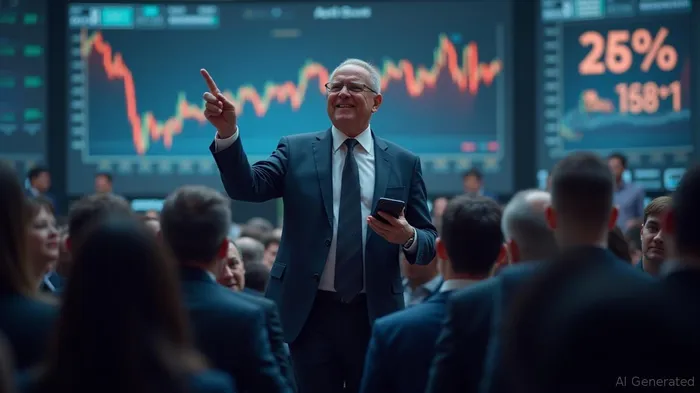
Following Trump’s announcement, the cryptocurrency market reacted rapidly. Bitcoin surged approximately 4% to reach 104,967 USD. Ethereum increased by 6.8%, XRP by 5.8%, and Solana saw a gain of 7.6%. Experts highlighted that the de-escalation of tensions in the Middle East has boosted investor confidence and positively impacted trading volumes. This activity underscored the sudden influence of geopolitical uncertainties on cryptocurrency markets once again.
Investors turned to riskier assets hoping for long-term stability in the region. However, analysts remain cautious about whether this rise will be sustainable. Despite short-term optimism, underlying global economic concerns persist. Markets closely monitor peace processes transforming into concrete measures and observe macroeconomic indicators.
The hopes for a ceasefire influenced not only cryptocurrencies but also energy markets. Oil prices recorded a decrease due to the potential for Iran to increase oil exports and expectations of reduced tensions in the Strait of Hormuz. Experts believe that lower energy costs could support global growth expectations and alleviate market stress. This situation has created a general sense of relief in the financial markets.
Conversely, concerns about a recession in the U.S. economy remain strong. The Conference Board’s Leading Economic Index (LEI) has continuously declined for the past six months, reaching its lowest levels in nine years. The index has decreased in 37 out of the last 39 months. Historical data reveals that such prolonged declines in the LEI have preceded every U.S. recession since 1960. Economists indicate that this markerMRKR-- enhances global uncertainties and the possibility of a recession. Warnings are issued that short-term optimism in the markets might be limited in the face of these fundamental economic risks.

Stay ahead of the market.
Get curated U.S. market news, insights and key dates delivered to your inbox.






Comments
No comments yet