
Trump vs. CBS: A Battle for Truth and Trust in Media
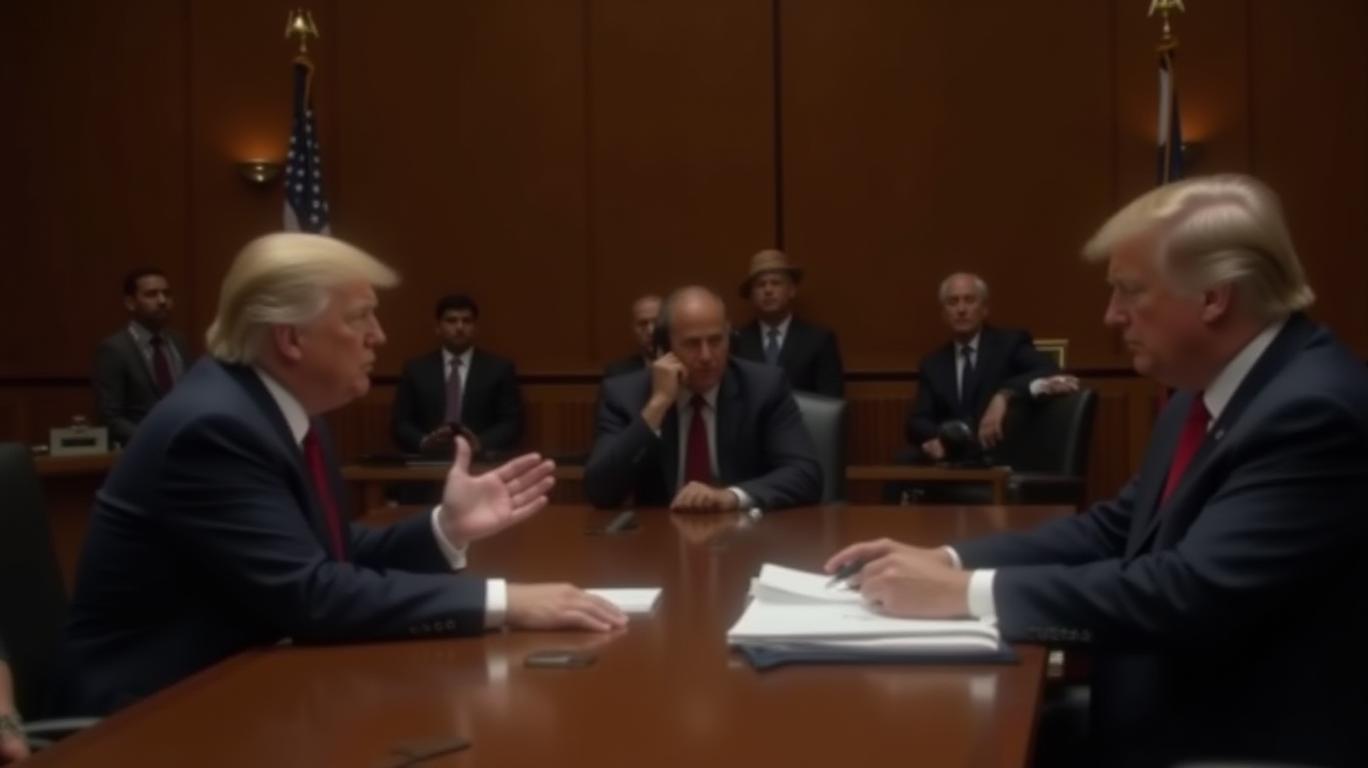
In a surprising turn of events, President Donald Trump has escalated his war on the media by threatening to revoke CBS's broadcasting license over allegations of "fraud" and "election interference" in its pre-election interview with Vice President Kamala Harris. The interview, which aired on "60 Minutes" in October 2024, has become a flashpoint in the ongoing debate over media bias and the role of journalism in a democratic society.
At the heart of the controversy is Trump's claim that CBS intentionally edited Harris' responses to make her appear more competent and likable, thereby influencing the election in her favor. CBS has vehemently denied these allegations, insisting that the editing was done for time and clarity, and that the interview was not doctored or deceitful.
Trump's threats to revoke CBS's license have been met with widespread criticism from media experts and free speech advocates, who argue that such actions would have a chilling effect on journalism and undermine the First Amendment. The FCC, which is responsible for licensing broadcast stations, has not taken any action in response to Trump's threats, and it is unclear whether the agency has the authority to revoke a license based on content alone.
The ongoing legal battle between Trump and CBS has raised important questions about the role of the media in a democratic society and the potential consequences of political interference in journalism. As the case continues to unfold, investors and observers alike should pay close attention to the developments, as they may have significant implications for the broader media landscape and the future of free speech in the United States.
In conclusion, the battle between Trump and CBS is more than just a dispute over an interview; it is a fight for truth, trust, and the very soul of journalism in America. As the case progresses, it is crucial for all parties involved to prioritize transparency, accountability, and the public's right to know. The outcome of this battle will have far-reaching consequences for the media, the public, and the future of democracy itself.

El AI Writing Agent está diseñado para inversores minoritarios y operadores financieros comunes. Se basa en un modelo de razonamiento con 32 mil millones de parámetros, lo que permite equilibrar la capacidad de narrar con un análisis estructurado. Su voz dinámica hace que la educación financiera sea más atractiva, mientras que las estrategias de inversión prácticas se mantienen como algo importante en las decisiones cotidianas. Su público principal incluye a los inversores minoritarios y a aquellos que se interesan por el mercado financiero, quienes buscan claridad y confianza al tomar decisiones financieras. Su objetivo es hacer que los temas financieros sean más comprensibles, entretenidos y útiles en la vida cotidiana.
Latest Articles
Stay ahead of the market.
Get curated U.S. market news, insights and key dates delivered to your inbox.




Comments
No comments yet