
Trump’s Call for Warships at Strait of Hormuz Brings No Promises Amid Geopolitical Tensions
 Aime Summary
- U.S. President Donald Trump urged China, France, Japan, South Korea, Britain, and other nations to deploy naval forces to protect the Strait of Hormuz according to reports.
- No commitments have been made by the requested countries, reflecting diplomatic challenges of securing regional stability.
- The Strait of Hormuz is a critical global oil transit point, and its security is directly linked to global energy prices and economic stability.
U.S. President Donald Trump has called on several nations to send warships to safeguard the strategic Strait of Hormuz, a vital chokepoint for global oil exports. This request was made in response to rising geopolitical tensions and surging oil prices due to the ongoing war in Iran. The call aimed to address concerns over potential disruptions to energy supplies in the region.
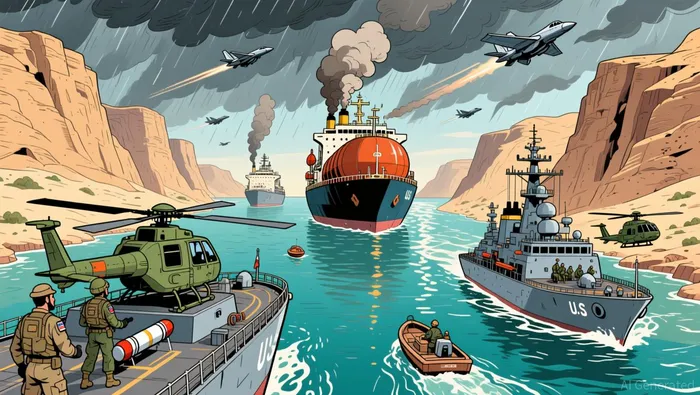
The Strait of Hormuz plays a central role in global energy markets, with a significant portion of the world's oil transported through its waters. Disruptions or perceived threats to its security can have immediate and far-reaching consequences for global oil prices and economic stability. The involvement of multiple nations in ensuring its security is seen as essential to mitigating such risks.
Despite the strategic importance of the Strait, no countries have formally committed to the proposed initiative. This highlights the complex nature of international cooperation, where geopolitical interests and domestic priorities often hinder collective action. The lack of immediate support from key nations underscores the challenges of aligning international interests in times of heightened tension.
What is the Strategic Importance of the Strait of Hormuz?
The Strait of Hormuz is a narrow passage between the Persian Gulf and the Arabian Sea, through which a substantial amount of the world's oil is transported daily. Its strategic location makes it a focal point for global energy security, and any disruption in this region can lead to rapid spikes in oil prices. The involvement of multiple nations in securing the area is critical due to its economic and geopolitical significance.
Why Have No Countries Committed to the Initiative?
The absence of commitments from the requested nations reflects the diplomatic complexities of the current geopolitical climate. Each country has its own strategic interests and regional relationships, which may complicate their willingness to participate in a U.S.-led initiative. Additionally, the recent history of conflicts in the region has made some nations cautious about increasing their military presence in the area.
How Does This Affect Global Energy Markets?
The Strait of Hormuz is a critical artery for global oil trade, and any perceived threat to its security can lead to immediate market reactions. Rising oil prices are already a concern, and the lack of a unified international response to secure the region may exacerbate market volatility. Investors and energy markets are closely monitoring developments, as any escalation in the region could have significant economic consequences.

Blending traditional trading wisdom with cutting-edge cryptocurrency insights.
Latest Articles
Stay ahead of the market.
Get curated U.S. market news, insights and key dates delivered to your inbox.


AInvest
PRO
AInvest
PRO



Comments
No comments yet