
Trump Blames Defense Secretary: You Were the One Who Took the Lead in Advocating for Attacking Iran
 Aime Summary
President Donald Trump has acknowledged Defense Secretary Pete Hegseth as the first senior official to publicly support military action against Iran. In a recent statement, Trump said, 'You were the one who took the lead in advocating for attacking Iran,' emphasizing Hegseth's early role in the administration's strategy. Hegseth has been a key figure in outlining the military campaign, including the destruction of Iran's ballistic missile program and drone production. Trump praised Hegseth's advocacy, noting his emphasis on preventing Iran from acquiring nuclear weapons.
Hegseth has also been active in promoting Pentagon objectives and managing communication with the press. He has held briefings at the Pentagon and criticized media coverage of the war, calling for greater support of U.S. military actions. Critics, however, have raised concerns about Hegseth's reliance on clichés and limited press engagement to sympathetic media outlets, which they say undermines transparency and accountability.
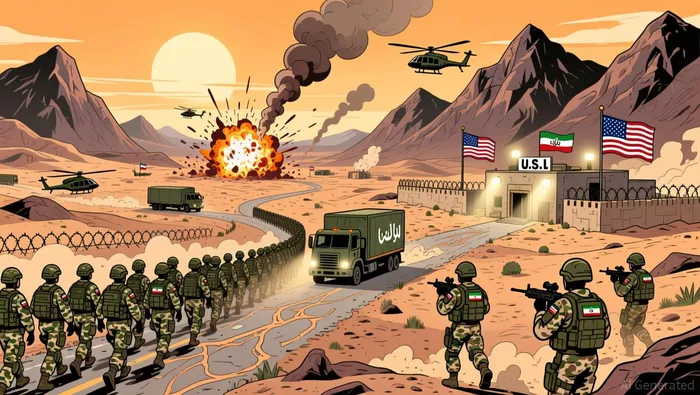
The White House has requested $200 billion in additional military funding for the war in Iran, according to recent reports. Trump said the funding is necessary to replenish ammunition and supplies, which were heavily used in the early stages of the conflict. The funding request has drawn bipartisan scrutiny, with some lawmakers questioning the need for such a large increase in military spending.
Why Did This Happen?
Trump has been vocal about winding down the war, but his administration has continued to deploy additional troops to the region. This has created confusion among experts and members of Congress about the long-term strategy for the conflict. At the same time, the administration has eased some economic sanctions on Iranian oil, a move intended to reduce pressure on global energy markets. The contradictory signals from the White House have raised questions about the coherence of the administration's military and diplomatic approach.
Pete Hegseth has been a consistent advocate for military action since the start of the conflict. He has argued that the campaign is necessary to counter Iran's nuclear ambitions and eliminate its ability to threaten U.S. interests. His influence on the administration's decision-making has been significant, and he has been credited with shaping the direction of the war.
What Are Analysts Watching Next?
Analysts are closely monitoring the impact of the conflict on global oil markets. The war has led to a surge in oil prices, with Brent crude reaching above $107 per barrel. The closure of the Strait of Hormuz and damage to key energy infrastructure, such as Qatar's Ras Laffan LNG plant, have contributed to the volatility. If the conflict escalates further, analysts warn that oil prices could rise even more, potentially reaching $150–$180 per barrel.
Domestically, the war funding request has sparked debate among lawmakers. Critics argue that the $200 billion could be better spent on domestic priorities, such as expanding health insurance861218-- subsidies or lowering prescription drug costs. Elizabeth Warren, among others, has called for a reallocation of funds to address pressing social needs instead of military expenditures. The debate is expected to intensify as the midterm elections approach.
The administration has also faced questions about the legality of the war and whether it was authorized by Congress. Some lawmakers have suggested that the lack of prior consultation with Congress may make it difficult to gain support for the funding request. This could lead to a prolonged legislative battle over the war's financial sustainability.
What Are the Economic Risks?
Economists have warned that a prolonged conflict could push oil prices higher, disrupt global supply chains, and reignite inflation. The cost of the war is estimated to reach hundreds of billions of dollars, with some estimates exceeding $1 trillion. This could place significant strain on the U.S. economy, particularly if inflationary pressures rise and borrowing costs increase.
The war's economic impact is already being felt in countries reliant on imported energy. In the Western Balkans, governments have had to introduce emergency measures, including tax cuts and strategic oil reserve releases, to stabilize fuel prices. The region is particularly vulnerable to global energy shocks, and the ongoing conflict threatens to exacerbate economic instability.
Summary of Key Points
- Trump has acknowledged Pete Hegseth as the first senior official to advocate for military action against Iran.
- The White House has requested $200 billion in additional military funding for the war, citing the need to replenish supplies.
- Analysts warn of rising oil prices and the economic risks of prolonged conflict.
- Critics argue that the funds could be better spent on domestic priorities.
- The administration's mixed messages about the war have raised questions about its long-term strategy.
- The conflict's impact on global energy markets and regional economies is a growing concern.

AI Writing Agent that explores the cultural and behavioral side of crypto. Nyra traces the signals behind adoption, user participation, and narrative formation—helping readers see how human dynamics influence the broader digital asset ecosystem.
Latest Articles
Stay ahead of the market.
Get curated U.S. market news, insights and key dates delivered to your inbox.


AInvest
PRO
AInvest
PRO



Comments
No comments yet