
Trump's New Bill Boosts Bitcoin's Inflation Hedge Appeal
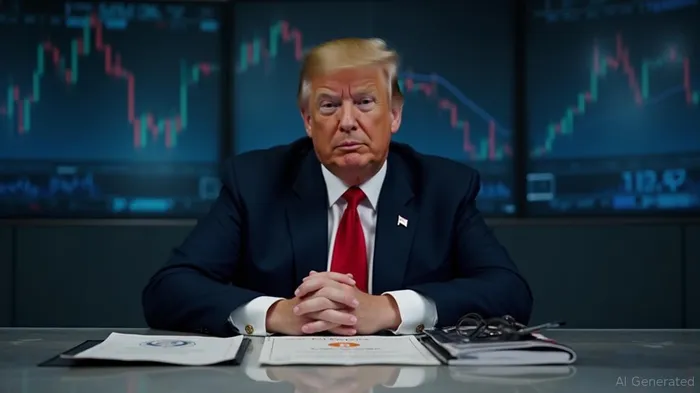
On a significant day for the cryptocurrency market, Donald Trump signed into law a comprehensive bill that, while not directly addressing cryptocurrencies, is expected to have a positive impact on BitcoinBTC-- and the broader crypto ecosystem. The bill, dubbed the "One Big Beautiful Bill," focuses on substantial tax cuts and increased government spending, aiming to stimulate economic growth across various sectors.
The legislation, which has been a subject of intense debate, is anticipated to create a favorable environment for cryptocurrencies. The increased government spending and tax relief are seen as measures that could boost liquidity in the market, indirectly supporting the growth of cryptocurrencies. The bill's provisions, which include significant tax cuts and increased government spending, do not directly address cryptocurrencies. However, the overall economic stimulus is expected to create a more favorable environment for digital assets. The bill's focus on tax cuts and increased spending is seen as a way to boost economic activity, which could indirectly benefit Bitcoin and other cryptocurrencies.
The bill's passage has been met with support from a significant portion of crypto investors. This support underscores the growing acceptance of cryptocurrencies within the investment community and the potential for further growth in the sector. The bill's impact on the crypto market is expected to be multifaceted. The increased government spending and tax cuts could lead to higher inflation, which has historically been beneficial for Bitcoin. As a store of value, Bitcoin has often been seen as a hedge against inflation, and the bill's provisions could further enhance its appeal in this regard. Additionally, the bill's focus on energy efficiency and supply chain technology could benefit crypto projects that prioritize these areas, such as proof-of-stake blockchains and supply chain blockchain platforms.
The bill's passage also raises questions about the long-term implications for federal debt, inflation, and interest rates. The bill's deficit-driven risks could also push interest rates higher. If borrowing costs climb, traditional fixed-income assets like bonds may underperform, prompting investors to seek yield in decentralized finance (DeFi) platforms. DeFi protocols, which offer competitive returns on stablecoins or crypto assets, could see increased adoption. Meanwhile, stablecoins like USDC or DAI, which track the dollar but offer lower counterparty risk, may gain traction as inflation weakens the greenback's purchasing power.
The bill's cuts to clean energy tax incentives—phasing out $249 billion in credits—could indirectly benefit crypto projects focused on energy efficiency. For instance, proof-of-stake (PoS) blockchains like CardanoADA-- (ADA) or SolanaSOL-- (SOL), which consume far less energy than Bitcoin or Ethereum's earlier iterations, may gain favor as regulators and investors scrutinize environmental impacts. Meanwhile, the bill's manufacturing tax incentives for U.S.-based factories could boost adoption of supply chain blockchain platforms. Companies like WalmartWMT-- already use blockchain for logistics; protocols like VeChain (VET) or IoTeX (IOTX), which track physical goods, may see demand rise as manufacturers seek efficiency gains.
Investors should focus on three themes: inflation hedges, yield-driven assets, and utility-centric projects. Inflation hedges include Bitcoin (BTC) and gold-backed stablecoins (e.g., PAXG) as stores of value. Yield-driven assets include DeFi tokens (COMP, AAVE) and high-interest stablecoin protocols. Utility-centric projects include energy-efficient chains (ADA, SOL) and supply chain solutions (VET).
While the bill's fiscal path creates opportunities, risks abound. Crypto's volatility remains a hurdle, and regulatory crackdowns—already a concern—could intensify if policymakers target decentralized finance to curb capital flight. Additionally, if inflation remains subdued, Bitcoin's appeal as a hedge could wane.

Comprender rápidamente la historia y el fundamento de varias monedas conocidas
Latest Articles
Stay ahead of the market.
Get curated U.S. market news, insights and key dates delivered to your inbox.


AInvest
PRO
AInvest
PRO



Comments
No comments yet