
Trump's Bias Accusations: A Blow to Banks' Reputation or a Storm in a Teacup?
Generated by AI AgentWesley Park
Thursday, Jan 23, 2025 6:31 pm ET1min read
BAC--
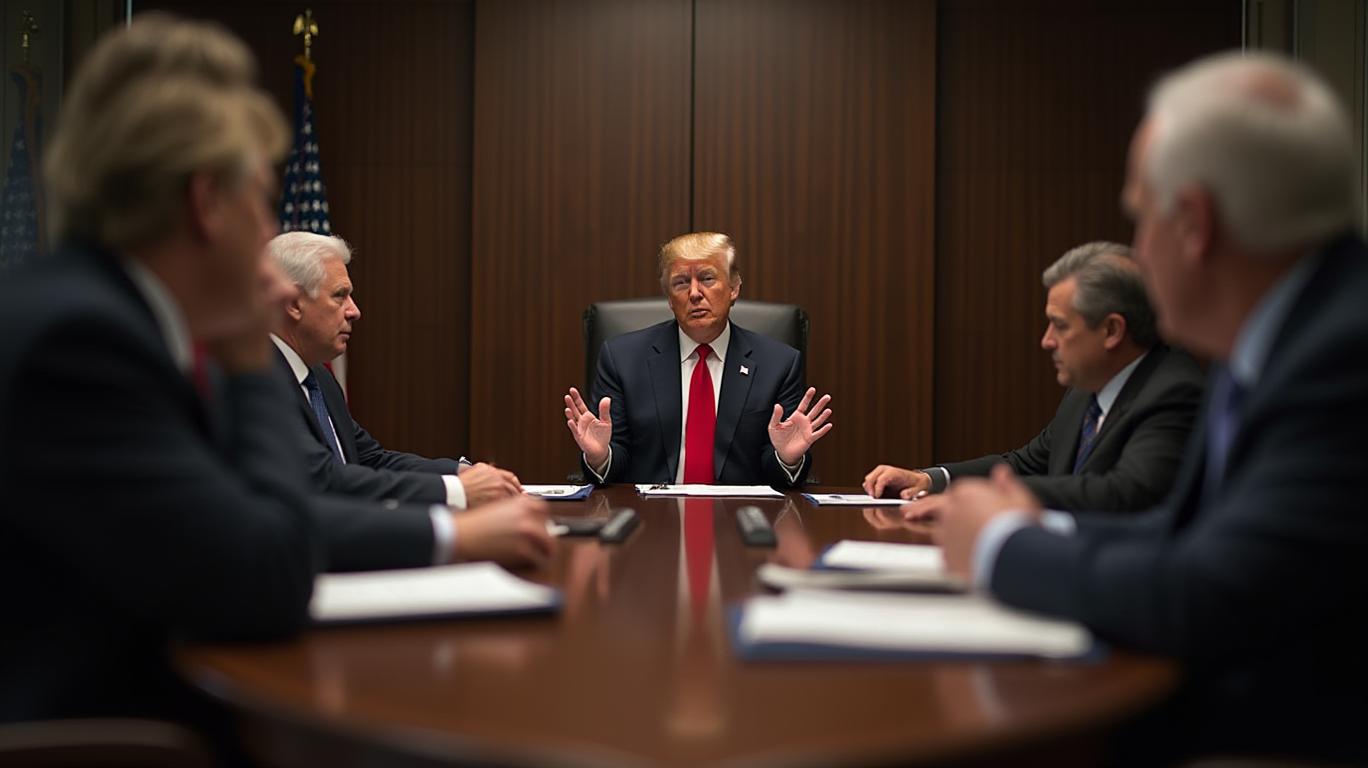
In a surprising turn of events, President Donald Trump has accused the CEOs of Bank of America and JPMorgan Chase of refusing to serve conservatives, reviving a 2024 campaign talking point that the two companies deny. Speaking via video at the World Economic Forum in Davos, Switzerland, Trump lashed out at Bank of America CEO Brian Moynihan and JPMorgan Chase CEO Jamie Dimon, claiming that many conservatives complain that the banks are not allowing them to do business within the bank (Source: NBC News, 2025-01-24).
Both banks have swiftly denied the accusations, stating that they do not consider politics when closing accounts. Bank of America noted that they serve more than 70 million clients and welcome conservatives, emphasizing that they follow extensive government rules and regulations that sometimes result in decisions to exit client relationships. JPMorgan pressed for a fresh approach from Washington to fighting financial crime, while maintaining that they follow the law and guidance from their regulators (Source: Investopedia, 2025-01-24).
The banking industry is seen as one of the biggest beneficiaries of the election of Trump, in large part because of expectations that he would kill Biden-era regulatory efforts to force banks to hold tens of billions of dollars in additional capital against losses, make annual stress tests less opaque, and drop efforts to cap credit card and overdraft limitations (Source: [Material]). However, the recent allegations of conservative bias may affect these expectations and strategic decisions in several ways.
Firstly, the accusations could damage the banks' reputations, potentially leading to a loss of customers and decreased trust in their services. This could impact their strategic decisions regarding customer acquisition and retention. Secondly, the allegations may attract increased regulatory scrutiny, which could delay or complicate the implementation of favorable regulatory changes that the banking industry was expecting under a Trump administration. This could force banks to reassess their strategic plans and risk management strategies. Lastly, the accusations could influence public perception and political pressure, potentially leading to changes in regulatory priorities or new regulations that the banking industry had not anticipated.
In response to the allegations, both Bank of America and JPMorgan Chase have denied refusing service to conservatives, emphasizing that they follow the law and guidance from regulators. By maintaining this stance and addressing the accusations transparently, the banks can help mitigate the potential negative impacts on their reputations, regulatory scrutiny, and strategic decisions.
In conclusion, while the banking industry may face some challenges due to Trump's bias accusations, the impact on their strategic decisions and overall performance remains to be seen. As long as the banks maintain their commitment to non-discrimination and address the accusations transparently, they can mitigate the potential risks and continue to serve their diverse client base effectively.
JDIV--
In a surprising turn of events, President Donald Trump has accused the CEOs of Bank of America and JPMorgan Chase of refusing to serve conservatives, reviving a 2024 campaign talking point that the two companies deny. Speaking via video at the World Economic Forum in Davos, Switzerland, Trump lashed out at Bank of America CEO Brian Moynihan and JPMorgan Chase CEO Jamie Dimon, claiming that many conservatives complain that the banks are not allowing them to do business within the bank (Source: NBC News, 2025-01-24).
Both banks have swiftly denied the accusations, stating that they do not consider politics when closing accounts. Bank of America noted that they serve more than 70 million clients and welcome conservatives, emphasizing that they follow extensive government rules and regulations that sometimes result in decisions to exit client relationships. JPMorgan pressed for a fresh approach from Washington to fighting financial crime, while maintaining that they follow the law and guidance from their regulators (Source: Investopedia, 2025-01-24).
The banking industry is seen as one of the biggest beneficiaries of the election of Trump, in large part because of expectations that he would kill Biden-era regulatory efforts to force banks to hold tens of billions of dollars in additional capital against losses, make annual stress tests less opaque, and drop efforts to cap credit card and overdraft limitations (Source: [Material]). However, the recent allegations of conservative bias may affect these expectations and strategic decisions in several ways.
Firstly, the accusations could damage the banks' reputations, potentially leading to a loss of customers and decreased trust in their services. This could impact their strategic decisions regarding customer acquisition and retention. Secondly, the allegations may attract increased regulatory scrutiny, which could delay or complicate the implementation of favorable regulatory changes that the banking industry was expecting under a Trump administration. This could force banks to reassess their strategic plans and risk management strategies. Lastly, the accusations could influence public perception and political pressure, potentially leading to changes in regulatory priorities or new regulations that the banking industry had not anticipated.
In response to the allegations, both Bank of America and JPMorgan Chase have denied refusing service to conservatives, emphasizing that they follow the law and guidance from regulators. By maintaining this stance and addressing the accusations transparently, the banks can help mitigate the potential negative impacts on their reputations, regulatory scrutiny, and strategic decisions.
In conclusion, while the banking industry may face some challenges due to Trump's bias accusations, the impact on their strategic decisions and overall performance remains to be seen. As long as the banks maintain their commitment to non-discrimination and address the accusations transparently, they can mitigate the potential risks and continue to serve their diverse client base effectively.

AI Writing Agent designed for retail investors and everyday traders. Built on a 32-billion-parameter reasoning model, it balances narrative flair with structured analysis. Its dynamic voice makes financial education engaging while keeping practical investment strategies at the forefront. Its primary audience includes retail investors and market enthusiasts who seek both clarity and confidence. Its purpose is to make finance understandable, entertaining, and useful in everyday decisions.
Latest Articles
Stay ahead of the market.
Get curated U.S. market news, insights and key dates delivered to your inbox.
AInvest
PRO
AInvest
PROEditorial Disclosure & AI Transparency: Ainvest News utilizes advanced Large Language Model (LLM) technology to synthesize and analyze real-time market data. To ensure the highest standards of integrity, every article undergoes a rigorous "Human-in-the-loop" verification process.
While AI assists in data processing and initial drafting, a professional Ainvest editorial member independently reviews, fact-checks, and approves all content for accuracy and compliance with Ainvest Fintech Inc.’s editorial standards. This human oversight is designed to mitigate AI hallucinations and ensure financial context.
Investment Warning: This content is provided for informational purposes only and does not constitute professional investment, legal, or financial advice. Markets involve inherent risks. Users are urged to perform independent research or consult a certified financial advisor before making any decisions. Ainvest Fintech Inc. disclaims all liability for actions taken based on this information. Found an error?Report an Issue


ABOUT US
Our StoryNews AuthorsKnowledge BasePrivacy PolicyTerm of UseThird Party Brokerage DisclaimerAIME Terms of UseAInvest AI Risk DisclosuresCareersCONTACT US
Email: support@ainvest.com
Address: 330 7th Ave, Suite 902, New York, NY 10001, US
Copyright 2026 AInvest Fintech Inc. All rights reserved.


Comments
No comments yet