
Trump's BBC Lawsuit Ignites Battle Over Media Integrity and Democratic Accountability


 Aime Summary
U.S. President Donald Trump has escalated his legal battle with the BBC, asserting he has an "obligation" to sue the British broadcaster over its editing of his Jan. 6, 2021, speech in a Panorama documentary. The controversy has intensified after the BBC's director-general and news chief resigned, admitting to a "systemic" error in splicing together parts of Trump's remarks to create a misleading narrative. Trump's legal team has demanded a retraction, apology, and $1 billion in damages, setting a deadline for the BBC to respond by Friday, according to a BBC report. The BBC report
The BBC's October 2024 documentary edited Trump's speech to omit a segment where he urged peaceful protest, instead juxtaposing phrases to imply he incited violence against the U.S. Capitol. Chairman Samir Shah acknowledged the "error of judgment," stating the edit gave "the impression of a direct call for violent action," Reuters reports. Reuters 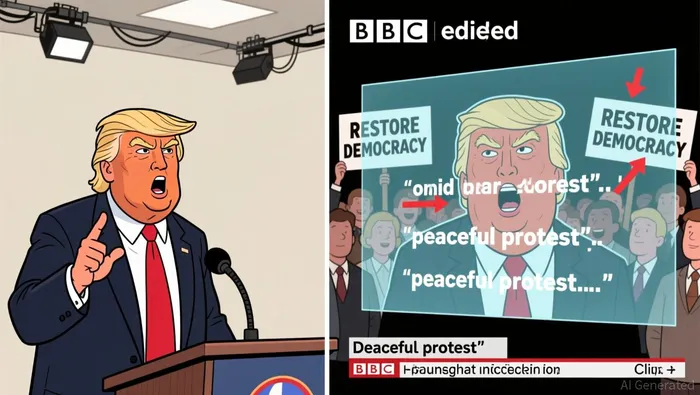 The resignations of top BBC leaders followed internal criticism of institutional bias, with conservative commentators accusing the broadcaster of politically motivated distortions.
Legal experts question the viability of Trump's defamation claim, particularly under U.S. law. A lawsuit would require proving the edited documentary caused reputational harm and that the BBC acted with malice. "If he sues, he opens a Pandora's box and inside is every damning quote he's ever uttered about the 'steal,'" said attorney Mark Stephens, highlighting the risk of exposing Trump's own incendiary rhetoric, according to an AP story. AP Additionally, the BBC's defense could argue the edit adhered to journalistic standards, as the broadcaster often trims speeches for clarity, a point emphasized by a US News explainer. US News explainer
This dispute fits a broader pattern of Trump's legal challenges against media outlets. In 2024, his administration secured settlements with CBS and ABC, including a $16 million payout from Paramount after alleging deceptive editing of Kamala Harris and George Stephanopoulos, a story covered by Time. Time Critics argue these lawsuits aim to intimidate critical coverage, reshaping the media landscape. "News outlets realize spending time and money with Trump in court isn't worth it," said USC professor Christina Bellantoni, warning of long-term implications for press freedom, according to Time.
The BBC crisis has also reignited debates about public funding for media. U.K. Conservative figures like Nigel Farage and former Prime Minister Liz Truss have called for abolishing the BBC's mandatory TV license fee, citing perceived bias. Meanwhile, defenders of the broadcaster, including veteran correspondent John Simpson, argue the attacks are politically motivated and risk undermining democratic institutions, a point made by Time. Time
As the deadline looms, the BBC faces pressure to address Trump's demands while navigating a fraught media environment. The outcome could set a precedent for how media organizations handle legal threats from political figures, with broader implications for editorial independence and accountability.

Stay ahead of the market.
Get curated U.S. market news, insights and key dates delivered to your inbox.


AInvest
PRO
AInvest
PRO



Comments
No comments yet