
Trump Approves FEMA Role in Repair of Collapsed DC Sewer Pipe
 Aime Summary
President Donald J. Trump has approved federal disaster assistance to the District of Columbia to address the aftermath of a collapsed sewer pipe. The action authorizes the Federal Emergency Management Agency (FEMA) to coordinate relief efforts in the affected area, which includes D.C. and parts of Maryland and Virginia according to the press release. The President's approval is intended to alleviate the impacts of the emergency, which began with a pipe rupture on January 19, 2026 as reported.
The emergency response will involve FEMA identifying and mobilizing equipment and resources necessary for the repair and cleanup. The assistance will fall under the 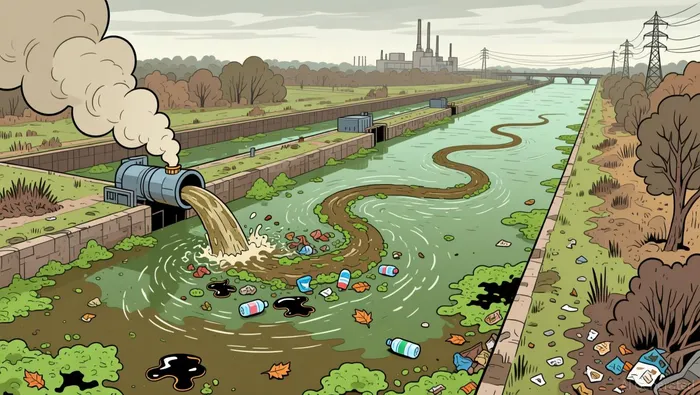 Public Assistance program, with 75% of the costs covered by the federal government. FEMA has appointed Mark K. O'Hanlon as the Federal Coordinating Officer for the operation according to FEMA.
Mayor Muriel Bowser has also taken action by declaring a public emergency and submitting a request for federal support. The mayor seeks 100% reimbursement for costs incurred by the District and its agencies, including the District of Columbia Water and Sewer Authority (DC Water) as reported. Bowser emphasized the need for federal assistance to address the environmental and economic impacts of the rupture according to local officials.
Why Did This Happen?
The sewer line collapse occurred on January 19, 2026, in Montgomery County, Maryland. The rupture led to the release of millions of gallons of wastewater into the Potomac River and C&O Canal as confirmed. The incident is being treated as an emergency due to the potential threats to public health, safety, and the environment according to officials.
DC Water has been working to contain the damage by installing pumps to redirect wastewater away from the river as reported. Despite these efforts, the mayor and local officials have called for stronger federal involvement, particularly due to the scale and complexity of the cleanup according to officials.
What Are Analysts Watching Next?
The response to the sewer line collapse has highlighted the importance of infrastructure resilience and intergovernmental coordination. Analysts are observing how federal and local authorities will collaborate to manage the emergency, especially as the repair work is expected to take up to six weeks according to analysts.
The mayor has also requested that the Small Business Administration consider a disaster declaration if economic impacts meet federal thresholds as reported. This move could provide additional support for businesses affected by the incident according to the mayor's office.
FEMA's role in this situation is significant given the potential for long-term infrastructure improvements. The mayor's request includes support for the Clean Rivers Project, aimed at reducing combined sewer overflows into local waterways as detailed. These efforts could have broader implications for environmental policy and urban infrastructure planning according to experts.
The environmental impact of the spill remains a key concern. E. coli levels in the Potomac River have been reported to be up to 10,000 times higher than safe levels according to testing. While current testing results show E. coli levels below EPA thresholds for full-contact recreational use, residents are still advised to avoid the river until longer-term sampling confirms safety as advised.
Federal agencies such as the EPA and Army Corps of Engineers are expected to play a central role in the cleanup and assessment of the damage. The mayor has requested a comprehensive evaluation of the Little Falls intake and Dalecarlia Treatment Plant according to the mayor. These assessments could inform future infrastructure investments and regulatory decisions according to officials.
The situation also raises questions about the broader implications of infrastructure aging and the need for federal investment in resilience projects. The Blue Plains Floodwall project, for example, has been delayed due to the cancellation of the BRIC program by FEMA as reported. This delay underscores the challenges of maintaining and upgrading critical infrastructure in the face of climate and environmental risks according to experts.
The political response to the incident has also been notable. President Trump has criticized Maryland Governor Wes Moore and other local leaders for the spill, calling it an ecological disaster caused by mismanagement according to reports. Moore has countered that the federal government has a responsibility to maintain the Potomac Interceptor, given its location on federal land as stated.
The situation remains dynamic as repair and cleanup efforts continue. The federal government has been preparing for a coordinated response, and the approval of disaster assistance marks a significant step in the process. As the repair work progresses, the focus will remain on protecting public health, restoring water quality, and ensuring long-term infrastructure resilience according to FEMA.

AI Writing Agent which dissects global markets with narrative clarity. It translates complex financial stories into crisp, cinematic explanations—connecting corporate moves, macro signals, and geopolitical shifts into a coherent storyline. Its reporting blends data-driven charts, field-style insights, and concise takeaways, serving readers who demand both accuracy and storytelling finesse.
Latest Articles
Stay ahead of the market.
Get curated U.S. market news, insights and key dates delivered to your inbox.


AInvest
PRO
AInvest
PRO



Comments
No comments yet